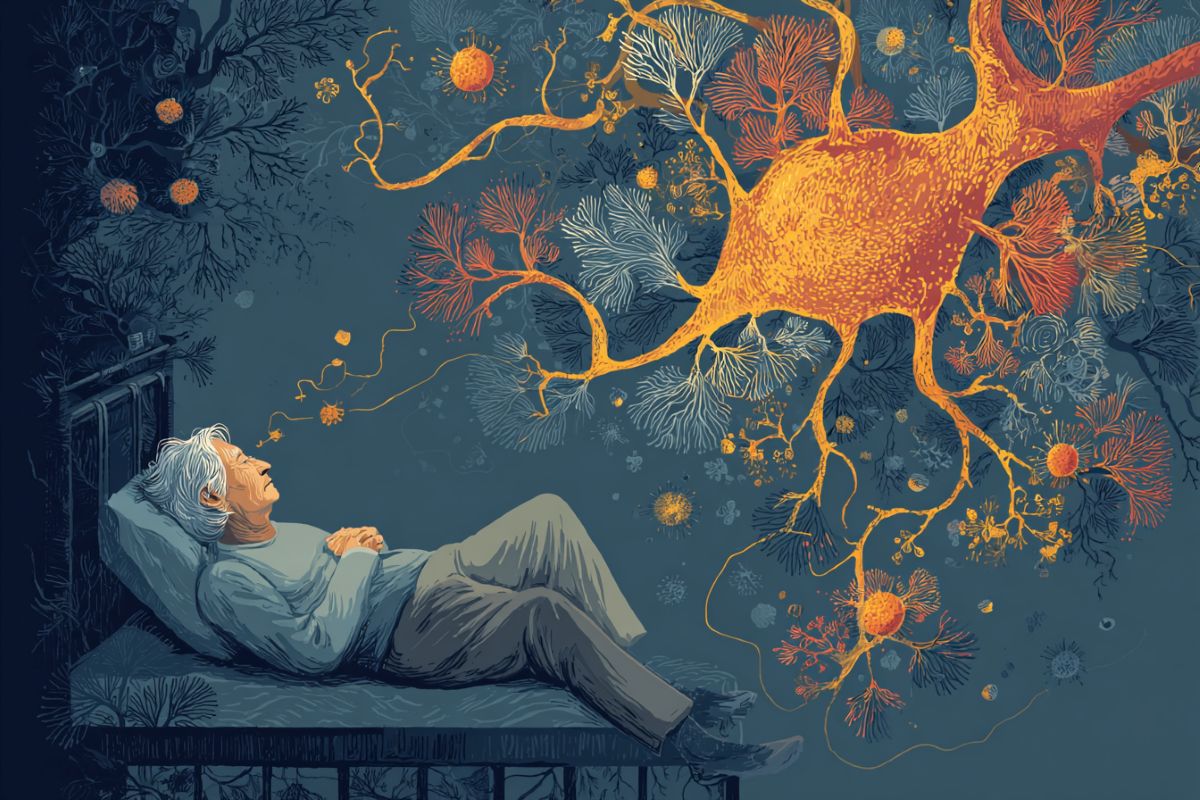
Researchers have been awarded $1.325 million in seedling grants to explore intervention strategies aimed at preventing dementia, as global cases are projected to reach 139 million by 2050. A new study focuses on the role of environmental stressors, particularly circadian rhythm dysregulation, which may accelerate cognitive aging by disrupting the brain’s immune response.
Read More
Karienn Souza, a research assistant professor at Texas A&M University, is investigating how these disruptions can cause microglia—brain cells responsible for immune defense and waste clearance—to enter a dysfunctional state. Normal microglia possess a branched structure that helps them monitor the brain, but Souza's team has found that affected cells often display irregular shapes, signaling compromised functionality.
As microglia fail to perform their cleaning role, they contribute to the accumulation of damaged cells and amyloid plaques, key factors in exacerbating dementia symptoms. To counter this, Souza is testing a groundbreaking extracellular vesicle (EV) therapy developed by Ashok Shetty, which utilizes nanoparticles derived from stem cells to deliver anti-inflammatory signals to the brain. This therapy aims to help maintain microglial health and prevent their degeneration into a stressed state.
The significance of this research is highlighted by the fact that only 3% of Alzheimer’s disease risk is attributed to genetics, while 97% is linked to environmental factors, underscoring the importance of interventions targeting lifestyle and sleep patterns.
The Dementia & Alzheimer’s Research Initiative (DARI) at Texas A&M aims to enhance prevention, detection, and treatment of dementia. With the funding, Souza hopes to explore how irregular work and social schedules may prove harmful and to identify effective strategies to mitigate these risks. Addressing these environmental triggers could be essential in the battle against Alzheimer’s disease.