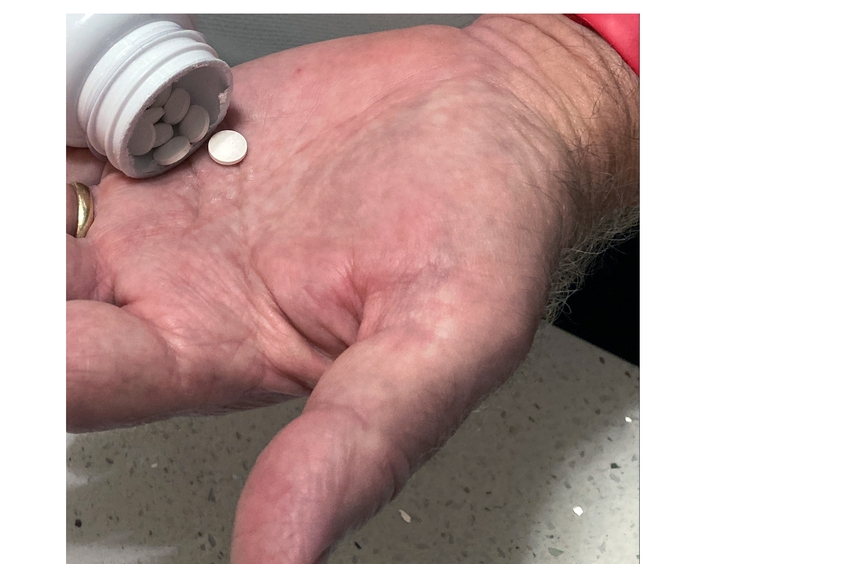
A recent study analyzing health records of over 130,000 adults with insomnia indicated that long-term use of melatonin supplements may be associated with a higher risk of heart failure, related hospitalizations, and death. The research, which reviewed five years of electronic health data, found that those who used melatonin continuously for at least one year were significantly more likely to experience these health issues than their counterparts who did not take the supplement.
Read More
Presented at the American Heart Association’s Scientific Sessions 2025 on November 3, 2025, the study's findings raise safety concerns regarding melatonin, which is widely available as an over-the-counter remedy for sleep problems. However, it's important to note that while the study identified correlations, it does not establish a direct cause-and-effect relationship.
Melatonin, a hormone produced naturally in the body that regulates sleep-wake cycles, is commonly marketed as a safe solution for sleep-related difficulties. Researchers classified participants into two groups: those using melatonin long-term and those with no record of melatonin use. They took into account various risk factors including demographic information, health conditions, and medications.
Key findings showed that participants in the long-term melatonin group had an approximately 90% increased risk of developing heart failure over five years compared to non-users. Additionally, they were nearly three and a half times more likely to be hospitalized for heart failure and almost twice as likely to die from any cause during the study period.
Ekenedilichukwu Nnadi, M.D., the study's lead author, suggested that the findings could prompt healthcare providers to reconsider how they advise patients on sleep aids. He emphasized the potential risks associated with melatonin, particularly given its perception as a harmless supplement.
The study's limitations include the database's inclusion of countries with different regulations regarding melatonin prescriptions, which may affect the accuracy of the findings. Researchers also acknowledged a lack of detailed data on insomnia severity and related psychiatric disorders, which may further complicate the association with heart risks.
Overall, the study suggests that while melatonin is often viewed as a benign sleep aid, its long-term safety, particularly concerning cardiovascular health, warrants further investigation.