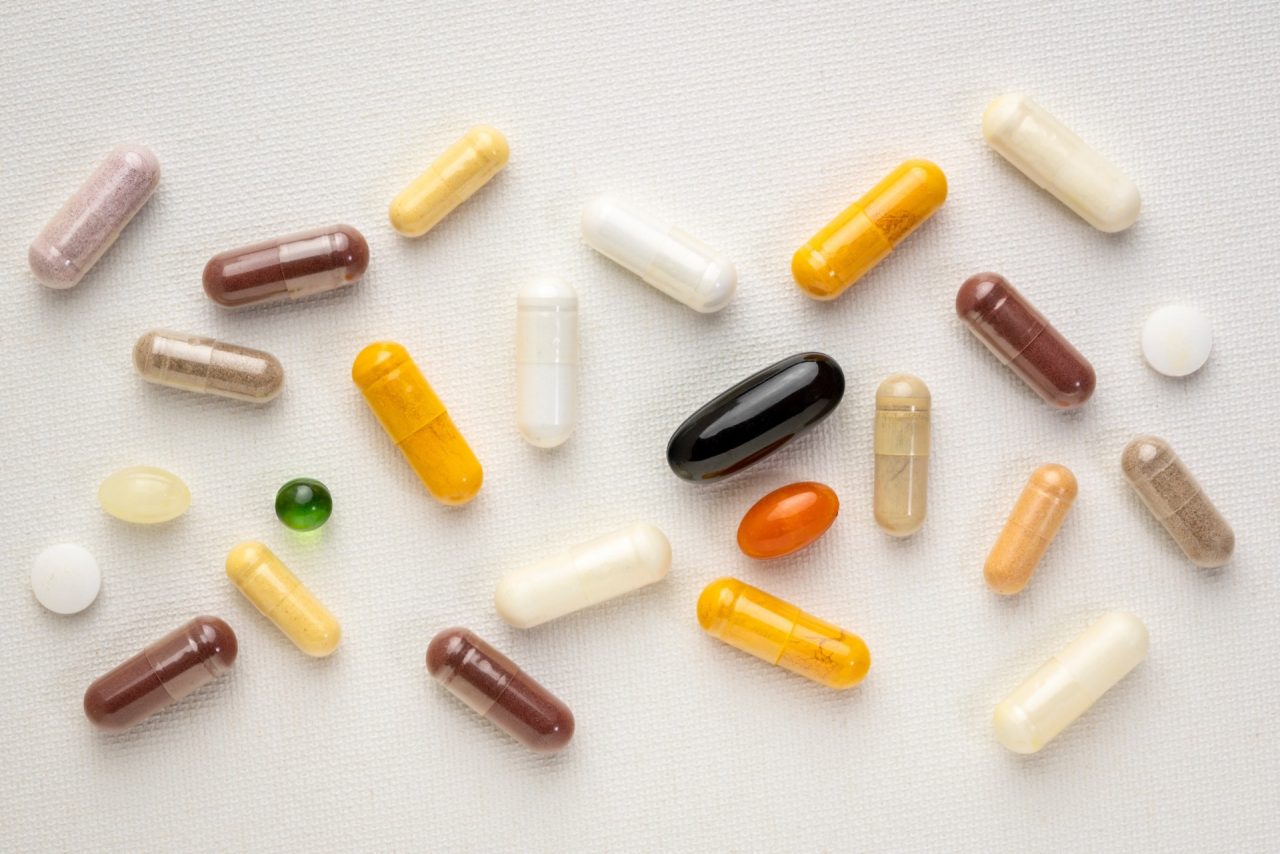
A growing number of Americans are turning to dietary supplements for health enhancement, with nearly 60% of adults and over a third of children and teens taking at least one supplement. This trend has contributed to a $60 billion annual market, although these products are not regulated like pharmaceuticals.
Read More
While certain supplements may help fill nutritional gaps, many lack scientifically proven benefits and some can even be harmful. With the rise of social media influencers endorsing untested remedies and AI chatbots providing questionable health advice, discerning fact from fiction has become increasingly difficult.
To clarify misconceptions, Stanford Medicine nutrition experts Marily Oppezzo, PhD, and Catherine Hu, a clinical dietitian, challenged five prevalent myths about supplements.
**Myth #1: Everyone should take supplements.**
According to the experts, supplements are generally only necessary for individuals with verified deficiencies, restricted diets, or specific medical conditions. Blood tests can identify deficiencies, although a dietitian's guidance is essential for personalized recommendations. Those with restricted diets, such as vegans, and specific populations like pregnant women, athletes, or individuals over 50 may benefit from particular supplements.
**Myth #2: They are safe because they are natural.**
Supplements are regulated as food by the FDA, thus their safety and effectiveness are not guaranteed. There is significant variability in the quality and content of these products. Some have been found to contain harmful substances, and potential interactions with medications exist. Hu recommends consulting with healthcare providers to ensure supplements won't interfere with medications or health conditions.
**Myth #3: You can disregard your diet if you take supplements.**
The evidence suggests that nutrients from whole foods are absorbed more effectively than those from supplements. Oppezzo highlights that processing can diminish a supplement's potency, and the importance of a varied diet should not be overlooked. Supplements cannot replace other healthy lifestyle choices, including regular physical activity.
**Myth #4: More is better.**
Higher doses of nutrients do not necessarily yield better outcomes and can lead to negative health effects. The experts caution against excessive intake since some nutrients can accumulate in the body, causing harm. They advocate adhering to recommended dietary allowances to avoid overdosing on any supplements.
**Myth #5: Supplements can solve all health issues.**
While some supplements have well-documented benefits, many claims are unsupported by strong evidence. For instance, despite being popular, melatonin effects on sleep duration are minimal. Oppezzo warns against using supplements as substitutes for accurate diagnosis and effective treatments. Individuals experiencing health issues should first evaluate their overall lifestyle, including diet and sleep, rather than immediately resorting to supplements.