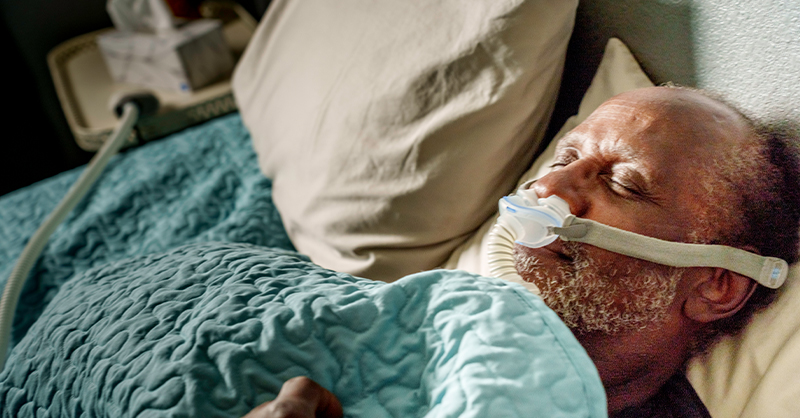
A recent study indicates that untreated obstructive sleep apnea raises the risk of developing Parkinson's disease. The research, published in JAMA Neurology, analyzed over 11 million electronic health records from U.S. military veterans receiving care through the Department of Veterans Affairs between 1999 and 2022.
Read More
Led by Oregon Health & Science University and the Portland VA Health Care System, the study suggests that improving sleep quality through continuous positive airway pressure (CPAP) can significantly mitigate this risk. Parkinson’s disease affects approximately 1 million individuals in the U.S., with susceptibility increasing with age, particularly after 60.
The findings show a strong association between untreated sleep apnea and a long-term increased likelihood of developing Parkinson's, even when accounting for factors such as obesity, age, and high blood pressure. Veterans with untreated sleep apnea were found to be nearly twice as likely to develop Parkinson's as those who utilized CPAP.
Gregory Scott, M.D., Ph.D., a co-author of the study, noted, "It's not at all a guarantee that you’re going to get Parkinson’s, but it significantly increases the chances.”
Sleep apnea is characterized by repeated interruptions in breathing during sleep, leading to inadequate oxygen levels in the body. Lead author Lee Neilson, M.D., emphasized the long-term cumulative effect of low oxygen on neuronal function, explaining that utilizing CPAP might help build resilience against neurodegenerative diseases, including Parkinson's.
Neilson plans to adapt his practice to emphasize the health benefits of good sleep due to the research findings. He remarked, "I think it will change my practice."
Scott mentioned that many veterans who use CPAP report positive experiences, feeling more energized and alert. He hopes awareness of the reduced risk of Parkinson's will encourage others with sleep apnea to consider CPAP treatment.
The study included contributions from several researchers affiliated with OHSU, the Portland VA Health Care System, the University of Washington, and the VA Puget Sound Health Care System. The research received support from various grants, including those from the VA and the National Institute on Aging.