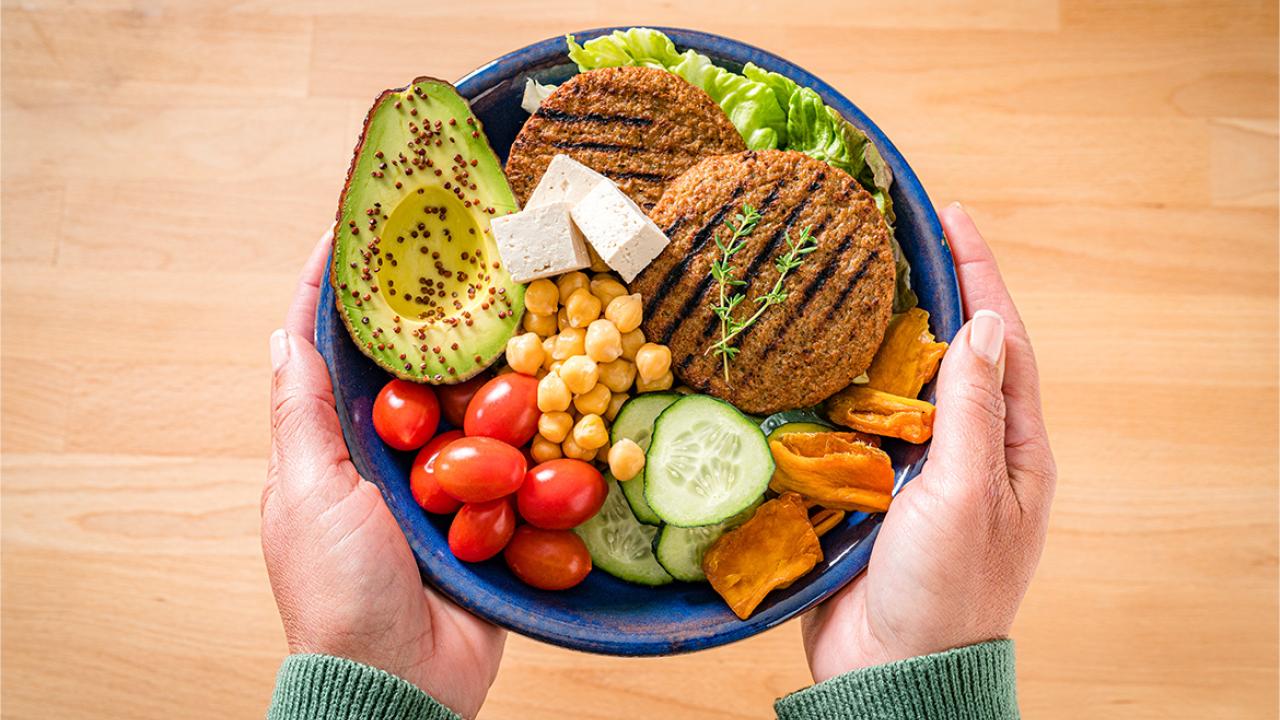
Medical students often struggle to maintain a healthy diet amid the demands of coursework, long study sessions, and clinical rotations. However, adopting a plant-forward diet can be a manageable solution, as highlighted by Dr. Meagan Grega, a board-certified lifestyle medicine physician, during her presentation at the 2026 AMA Annual Meeting.
Read More
Dr. Grega, representing the American College of Lifestyle Medicine, emphasized that taking care of one’s own nutritional needs is crucial for sustaining health and resilience in the demanding field of medicine. She stated, "Nourishing our bodies with healthy food isn’t a luxury, it’s essential to sustaining our health, our resilience, and our ability to care for our patients."
In her presentation, she outlined the health advantages of a plant-forward diet while offering practical tips for medical students.
A plant-focused diet primarily consists of plant-based foods but is not limited to strict vegetarian or vegan diets. Dr. Grega clarified that plant-forward eating is about variety and quality rather than adhering to strict dietary labels. She advocated for this approach by pointing out its immediate benefits, stating, "Many people think of healthy eating only as a way to prevent disease decades in the future, but high-fiber, plant-forward meals offer immediate benefits, too. They provide lasting energy, support concentration, and can help reduce the afternoon brain fog that so many people experience."
Understanding the financial constraints faced by medical trainees, Dr. Grega offered suggestions for affordable plant-based meals. She recommended buying grains and beans in bulk, utilizing frozen fruits and vegetables, and opting for seasonal produce. "Healthy eating doesn't have to be expensive. Many affordable staples such as beans, lentils, oats, brown rice, frozen vegetables, and seasonal produce are nutrient-dense, plant-based foods that often cost less than highly processed convenience foods and sugary drinks," she noted.
Dr. Grega also emphasized that a plant-based diet need not be time-consuming. She encouraged batch cooking—preparing large portions to consume throughout the week or freeze for later—and suggested making easy, make-ahead meals like overnight oats or chia seed pudding. "Planning ahead is one of the most effective strategies for eating well. A single batch-cooking session each week can provide multiple healthy meals, making nutritious choices more convenient even during the busiest days," she said.
Addressing the common misconception that plant-based meals might not be satisfying, Dr. Grega advised focusing on fiber-rich whole foods and plant-based protein to stay full. "Plant-forward meals should be satisfying and nourishing, not just a salad. When you include foods like whole grains, beans, lentils, and starchy vegetables such as sweet potatoes, you're getting the fiber and nutrients that help you stay full, provide lasting energy, and support concentration throughout the day," she stated.
Some of her favorite budget-friendly plant-forward meals include sweet potato chili, barbecue lentil sandwiches, and Mediterranean grain bowls with chickpeas.
Finally, Dr. Grega encouraged medical students to advocate for better food options on campus, highlighting how student efforts can lead to improved meals. "You may not realize how much influence you have. Every meaningful change starts with someone who is willing to ask for something better. By working together, you can help create a food culture that makes the healthy choice the easy choice, for yourselves and for those who come after you," she concluded.