Nikki R. Wooten, an associate professor of social work at the University of South Carolina, highlights the unique challenges faced by students from military families and suggests ways schools can better support them.
Read More
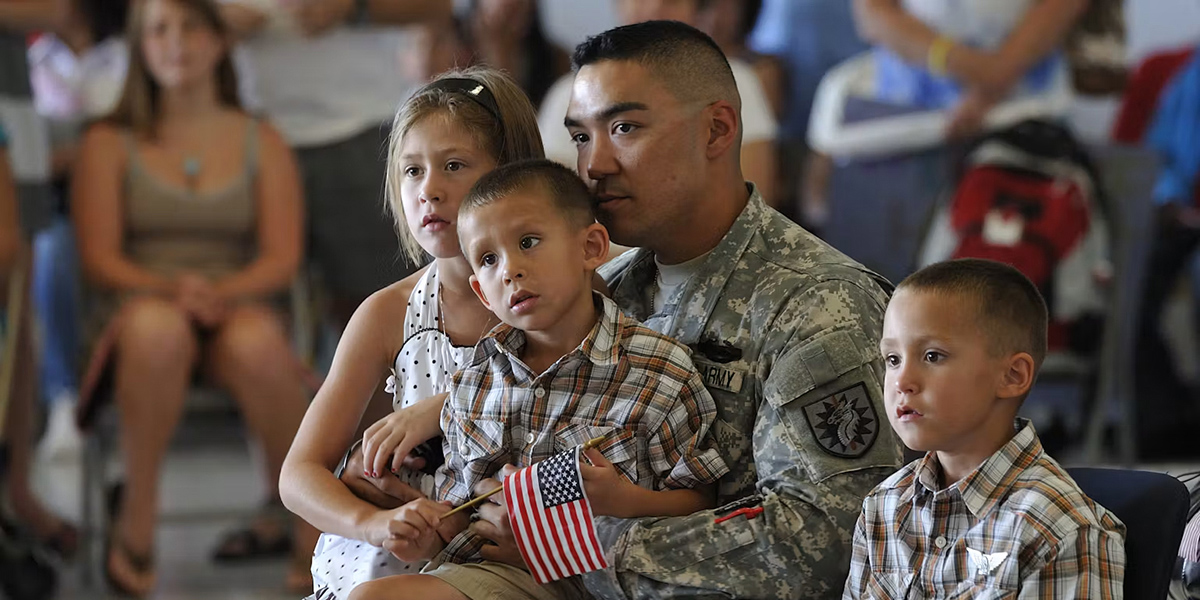
In 2024, over 1.4 million children had a parent or caregiver who served in the U.S. armed forces. Among active-duty families, 2.4% of military children had both parents in the military, and another 4% lived in single-parent households. More than 90% of these children attend U.S. public schools, while over 67,000 are enrolled in Department of Defense schools both domestically and abroad. These military-connected students often encounter distinct academic and emotional needs, particularly as they navigate school transitions and work to feel a sense of belonging.
Given that only 6% of Americans have served in the military, many educators may lack understanding of the realities facing military children. Wooten, a retired U.S. Army lieutenant colonel and military behavioral health expert, recommends key strategies for school districts to assist these students.
Identifying military-connected students during enrollment and providing training for educators on military life are crucial steps for schools.
Military life presents both opportunities and difficulties. Children of service members often travel and live in various locations, exposing them to diverse cultures and languages. These factors can foster resilience and adaptability. However, the frequent relocations lead to challenges such as attending an average of two different schools during high school and six to nine from kindergarten to 12th grade.
Moreover, children can endure prolonged separations from parents, raising anxieties about their wellbeing. These circumstances can result in social withdrawal and mental health issues like depression and anxiety, often leading to struggles with school assignments and peer relationships. Research indicates military-connected students are more likely to experience school disengagement and have a higher likelihood of repeating grades compared to their civilian counterparts.
Age and maturity affect how children cope with military life. Young children may struggle to articulate their feelings, potentially resorting to behavioral issues. Elementary students might exhibit clinginess or emotional outbursts, while middle schoolers may face peer conflicts and fluctuating academic performance. Adolescents are at greater risk for mental health challenges, including anxiety and depression, particularly during parental deployments.
Wooten stresses the importance of early intervention in supporting military-connected students during school transitions. Regular check-ins with school counselors can help identify and address potential issues before they escalate. U.S. public schools are required to record active duty military affiliations during enrollment, which can aid in providing necessary support. Furthermore, the impact of military life persists even after parents retire, with many children living with disabled veterans and taking on caregiving roles.
State education departments can recognize schools as Purple Star Schools, a designation that indicates a commitment to supporting military-connected students. Approximately 4,100 Purple Star Schools exist across 44 states, catering to the unique needs of these students. Texas, California, Florida, and Virginia are among the states with the highest population of military families in public schools.
To foster a supportive environment, schools should create welcoming climates and maintain open communication with families. Initiatives like peer mentoring and mental health awareness campaigns are also beneficial. Wooten cautions against hastily labeling behaviors as disciplinary issues when they may stem from family stress.
Despite the obstacles military-connected students face, early intervention and consistent support can help ensure they succeed academically and socially.