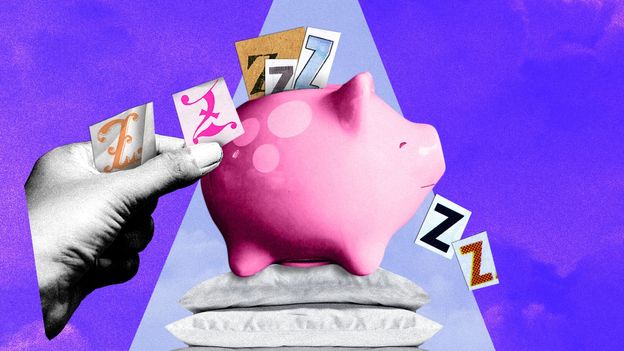
Research suggests that "sleep banking," or accumulating extra sleep before anticipated deprivation, may enhance alertness and cognitive performance. Many people utilize weekends to catch up on lost sleep, but some scientists propose that proactively banking sleep could be more beneficial.
Read More
First introduced in 2009 by researchers at the Walter Reed Army Institute of Research, sleep banking involves extending sleep duration prior to times of likely sleep restriction. Tracy Rupp, now with Utah State University, led a study with 24 military personnel, assigning one group to sleep for seven hours and another for ten hours nightly before facing a limited three-hour sleep schedule. The results indicated that those who banked extra sleep experienced less decline in attention and alertness during sleep deprivation and returned to baseline performance more quickly.
While sleep banking is gaining traction among wellness advocates, particularly for events like long-haul flights or deadlines, there remains debate among scientists about its efficacy. Some argue that it is challenging to determine whether individuals are actually storing sleep hours for later use or merely making up for sleep debt.
Different scientists, including Peter Polos and Michael Howell, emphasize that while sleep is essential for bodily functions and cognitive processing, it can be tricky to negotiate sleep patterns. Howell advises allowing 30 to 60 extra minutes of sleep nightly leading up to demanding periods, while Polos suggests going to bed earlier may be effective for some. Both agree that napping can help mitigate the impact of upcoming sleep deprivation, provided it does not interfere with nighttime sleep.
The controversial nature of sleep banking extends to discussions about already being in sleep debt. Rupp suggests that banking can still be beneficial, but sleep debt should be repaid quickly. Elizabeth Klerman counters by arguing there is insufficient evidence to support that sleep can be stored. She warns against complacency, as relying on sleep banking may lead to chronic sleep deprivation's harmful effects.
Ultimately, while strategies like sleep banking can yield short-term benefits, it’s crucial not to neglect overall sleep health. Polos recommends maintaining a consistent sleep schedule and ensuring adequate sleep as the best long-term approach.