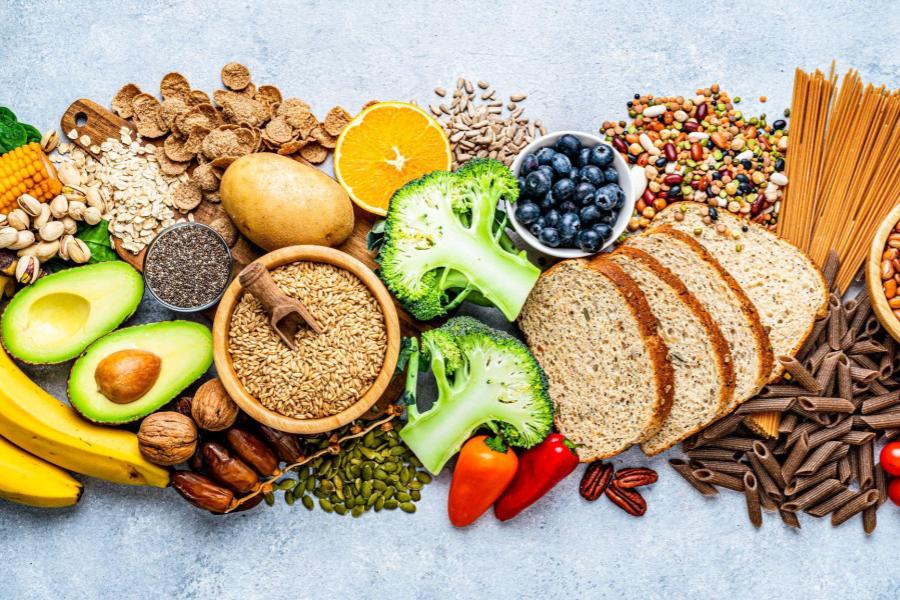
A recent study from the University of Minnesota, published in Nutrients, reveals new health benefits associated with insoluble fiber found in plant foods. Health professionals have long advocated for fiber’s role in maintaining bowel regularity and overall health, and this research underscores additional advantages tied to unique bioactive compounds within these food sources.
Read More
Joanne Slavin, co-author and professor in the College of Food, Agricultural and Natural Resource Sciences at the University of Minnesota, emphasizes the importance of these bioactives, which may help reduce the risk of cardiovascular disease, cancer, and Type 2 diabetes. She noted that while fiber is widely recognized for its benefits, it is crucial that the health contributions of bioactives in fiber-rich plant sources are also acknowledged.
The study compiled existing literature on the health impacts of bioactives in insoluble dietary fiber, highlighting that fruits, vegetables, legumes, nuts, seeds, and whole grains provide unique benefits. Notable bioactives including Quercetin, Resveratrol, Catechins, Anthocyanins, Lutein, Lycopene, and Beta-Carotene were identified in various plant foods containing insoluble fiber.
Additionally, the research suggests that utilizing these fiber-rich plant sources could enhance the nutritional value of processed foods. By incorporating byproducts such as peels and hulls, which are typically rich in fiber and bioactives, food manufacturers can create more nutritious options without compromising taste, as consumer research indicates such fortification is generally well-accepted.
Jan-Willem Van Klinken, co-author and senior vice president at Brightseed, remarked on the ongoing challenge of increasing fruit and vegetable consumption, calling for accessible fiber-fortified products to amplify nutritional benefits.
Lead author Madeline Timm stated that the findings could shift how both consumers and industries perceive insoluble dietary fiber and bioactives. She advocates for continued research focused on preserving and optimizing these compounds through improved extraction and processing methods.
The University of Minnesota’s College of Food, Agricultural and Natural Resource Sciences aims to address significant challenges in food and health, promote sustainability, and educate future leaders in the field.