This study investigates the relationship between dietary patterns and sleep quality among university students in Jinan, Shandong Province, China. Conducted from September to December 2024, the research utilized a cross-sectional design involving 1,497 students recruited through cluster sampling from two universities.
Read More
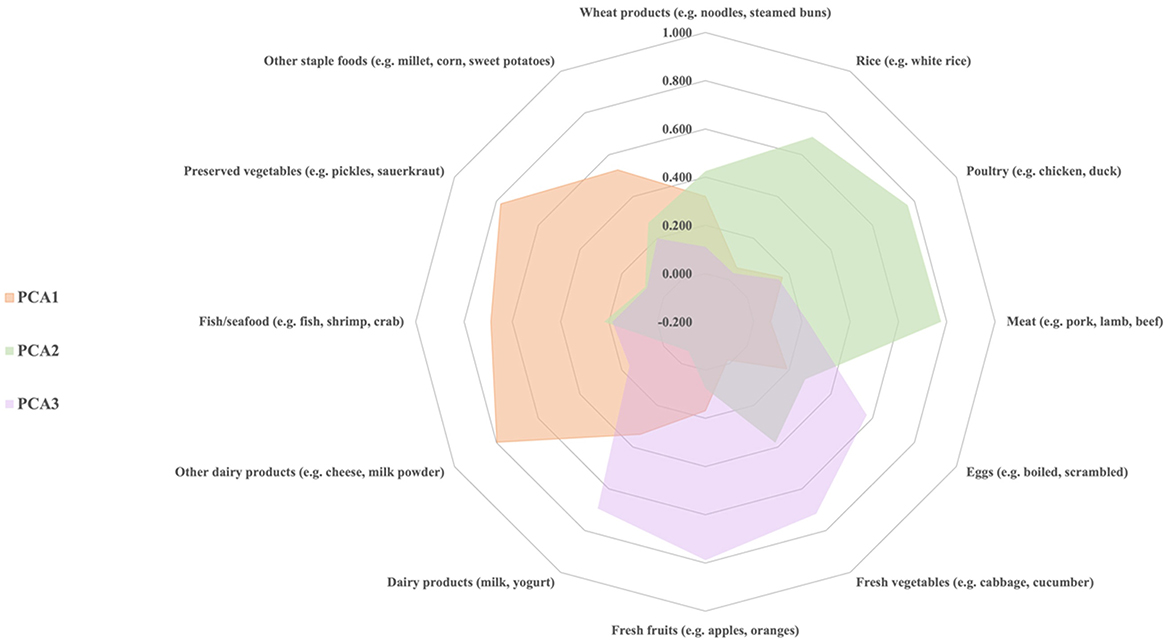
Dietary intake was assessed using a validated Food Frequency Questionnaire (FFQ) that covered 12 major food groups, while dietary patterns were identified via principal component analysis (PCA). Sleep quality was evaluated using the Pittsburgh Sleep Quality Index (PSQI), classifying poor sleep quality as a global PSQI score greater than 7.
Three dietary patterns emerged from the analysis. In a fully adjusted multivariable logistic regression analysis, each standard deviation increase in the third dietary pattern (PCA3), characterized by higher intakes of fresh fruits, vegetables, and dairy products, was associated with significantly lower odds of poor sleep quality (odds ratio = 0.81; 95% confidence interval: 0.70 to 0.93). A dose-response trend was observed across quintiles of PCA3 scores, indicating stronger associations for those in higher quintiles.
In contrast, the first two dietary patterns (PCA1 and PCA2) showed no significant associations with sleep quality. This suggests that adherence to a diet rich in fresh fruits, vegetables, and dairy may promote better sleep health among university students. The research underscores the importance of dietary behavior in sleep quality, particularly in populations undergoing significant dietary transitions.
Demographic analyses revealed that 27% of the participants reported poor sleep quality, with higher rates among women, older students, and those pursuing higher degrees. Participants with poor sleep quality also exhibited higher symptoms of stress, anxiety, and disordered eating risk.
This study’s findings suggest that dietary interventions focusing on increasing the intake of plant-based foods and dairy could be beneficial for improving sleep quality in university settings. Future studies may explore longitudinal effects and more detailed dietary assessments to further clarify this relationship.