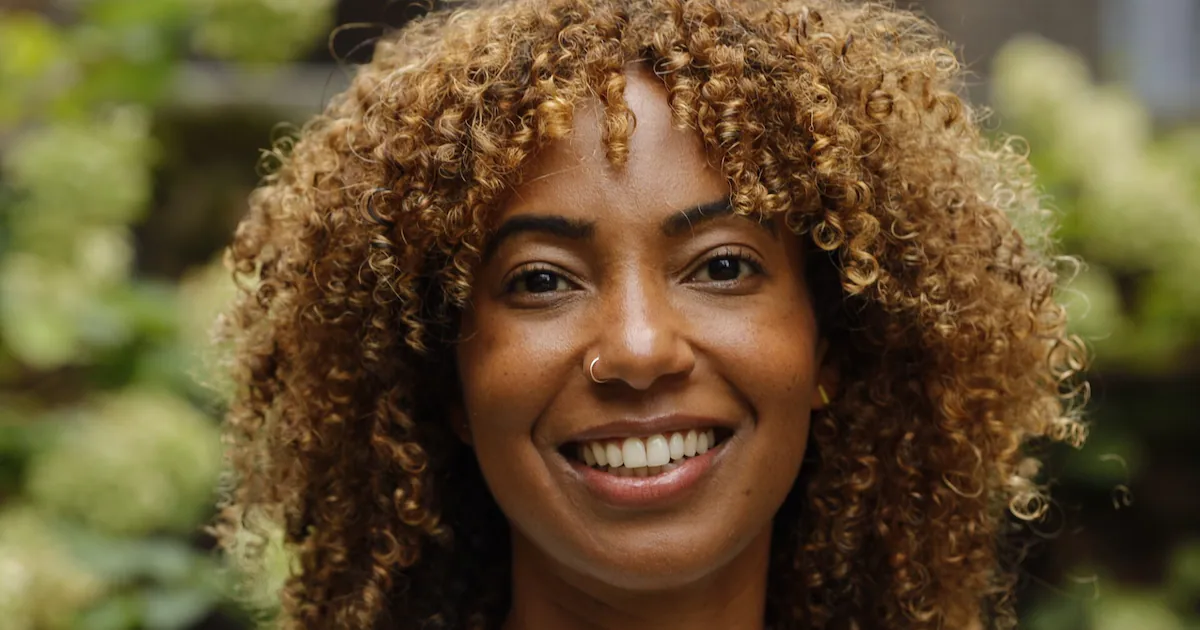
Mayor Zohran Mamdani aims to reduce police involvement in mental health emergencies in New York City. Ayesha Delany-Brumsey, appointed in May as the first commissioner of the newly established Office of Community Safety, is leading efforts to expand the city's mental health crisis response services despite receiving only $260 million of the proposed $1.1 billion budget for the office.
Read More
The office, created through an executive order in March, consolidates several agencies focused on neighborhood safety and mental health initiatives. Mamdani's public safety agenda has faced criticism for perceived inadequacies in policing reform. Recently, he called for a comprehensive review of the New York Police Department's use-of-force policies.
One of Delany-Brumsey's main challenges is the B-HEARD program, which sends mental health workers to individuals in distress. A May 2025 audit by then-Comptroller Brad Lander highlighted limitations in the program, noting restricted hours and geographic coverage, as well as problems with performance data tracking.
Delany-Brumsey, who previously served in senior roles at NYC Health + Hospitals, holds a Ph.D. in clinical psychology from UCLA. In a recent interview with Healthbeat, she elaborated on her vision for the Office of Community Safety, the B-HEARD program, and initiatives to promote awareness of the 988 mental health crisis line.
Delany-Brumsey outlined that her office's focus is on improving safety outcomes for vulnerable communities. It includes the Office to End Domestic and Gender-Based Violence and the Office for the Prevention of Hate Crimes, among others, all aimed at enhancing overall community well-being.
Regarding the 988 campaign, Delany-Brumsey mentioned the need for greater public awareness of the line, established in 2022. While usage has climbed, she acknowledges it is still not as widely utilized as 911. Efforts are underway to educate residents about the 24/7 availability of 988 and its ability to connect individuals with mental health resources and mobile crisis teams for on-site help.
On the audit’s concerns about B-HEARD, Delany-Brumsey stated that the demand for the service indicates its value, and they are committed to increasing its availability. This includes collaborating with FDNY and Health + Hospitals to enhance program operations and staff training.
When asked about follow-up care for individuals served by B-HEARD, she noted that they conduct follow-ups through calls and surveys to ensure ongoing support and connection to long-term care, although the program itself does not provide continual treatment.
Delany-Brumsey acknowledged that there might be a decrease in NYPD calls due to the 988 line but emphasized the need for further research to verify any changes in hospital admissions related to its use.
To gauge success, the office is working on better data collection to monitor outputs such as the number of people helped and the duration of their assistance, which will also inform improvements to the programs offered.
Trenton Daniel is a reporter covering public health for Healthbeat.