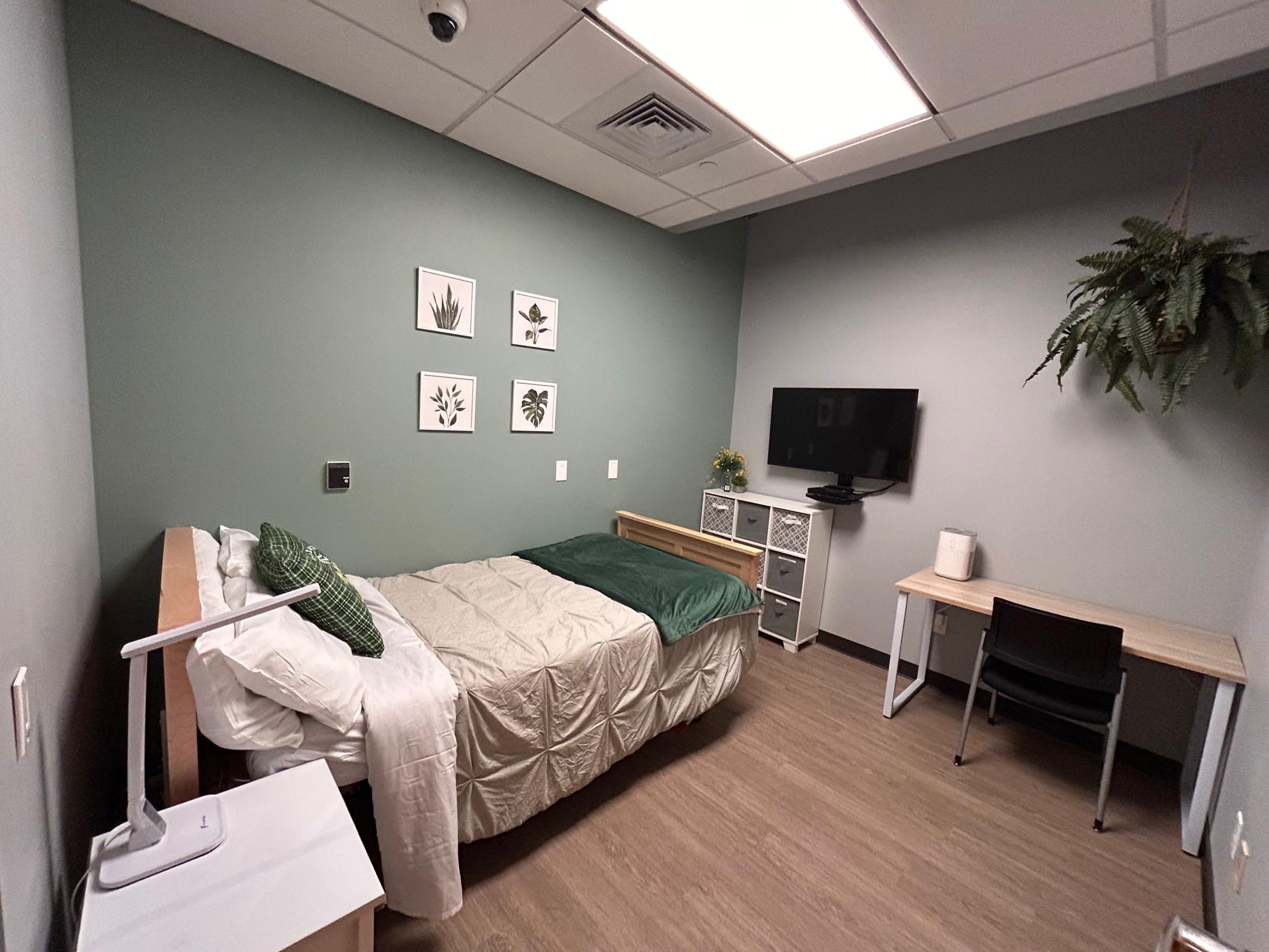
The Sleep and Metabolism Laboratory at Colorado State University (CSU) is conducting important research on the effects of sleep and circadian rhythm disruptions on human health. Acknowledging that sleep is a key component of overall well-being alongside physical activity and diet, the lab aims to explore how disturbances to these patterns can negatively affect physiological functioning.
Read More
Circadian rhythms act as an internal clock, regulating sleep-wake cycles. Chief Scientific Officer Corey Rynders noted that individuals who disrupt their natural rhythms, such as shift workers, face increased risks of cardiovascular and metabolic diseases. “We can’t get rid of these jobs, and we can’t get rid of these workers,” Rynders said. “So we need to find what we call countermeasures to circadian malalignment to help protect them.”
Currently, the lab is studying time-restrictive eating, which limits food intake during nighttime hours, and plans to research the role of physical activity in mitigating these risks.
The facility is equipped with advanced technology, including two hotel-style rooms where research participants can stay for two to six days. These rooms are linked to an antechamber, allowing researchers to monitor participants while controlling sound and light to mimic different sleep environments.
To assess the effects of sleep on tissue function, researchers perform hourly blood draws using innovative through-the-wall IV technology. This method prevents disturbances to participants' sleep by allowing blood samples to be taken without entering the sleeping area. Grissy Simé Mora, a bioenergetics doctoral candidate, emphasized the significance of this technique, stating, “Since not many labs in the United States have the ability to do through-the-wall blood draws, we published a paper recently on how to do it.”
The laboratory employs polysomnography, a common method for recording sleep activity, by placing electrodes on participants’ heads.
Founded by Josiane Broussard in 2019, the Sleep and Metabolism Laboratory has expanded its team to include several graduate and undergraduate researchers involved in data collection, analysis, and publication of findings, reflecting its growing commitment to sleep research.