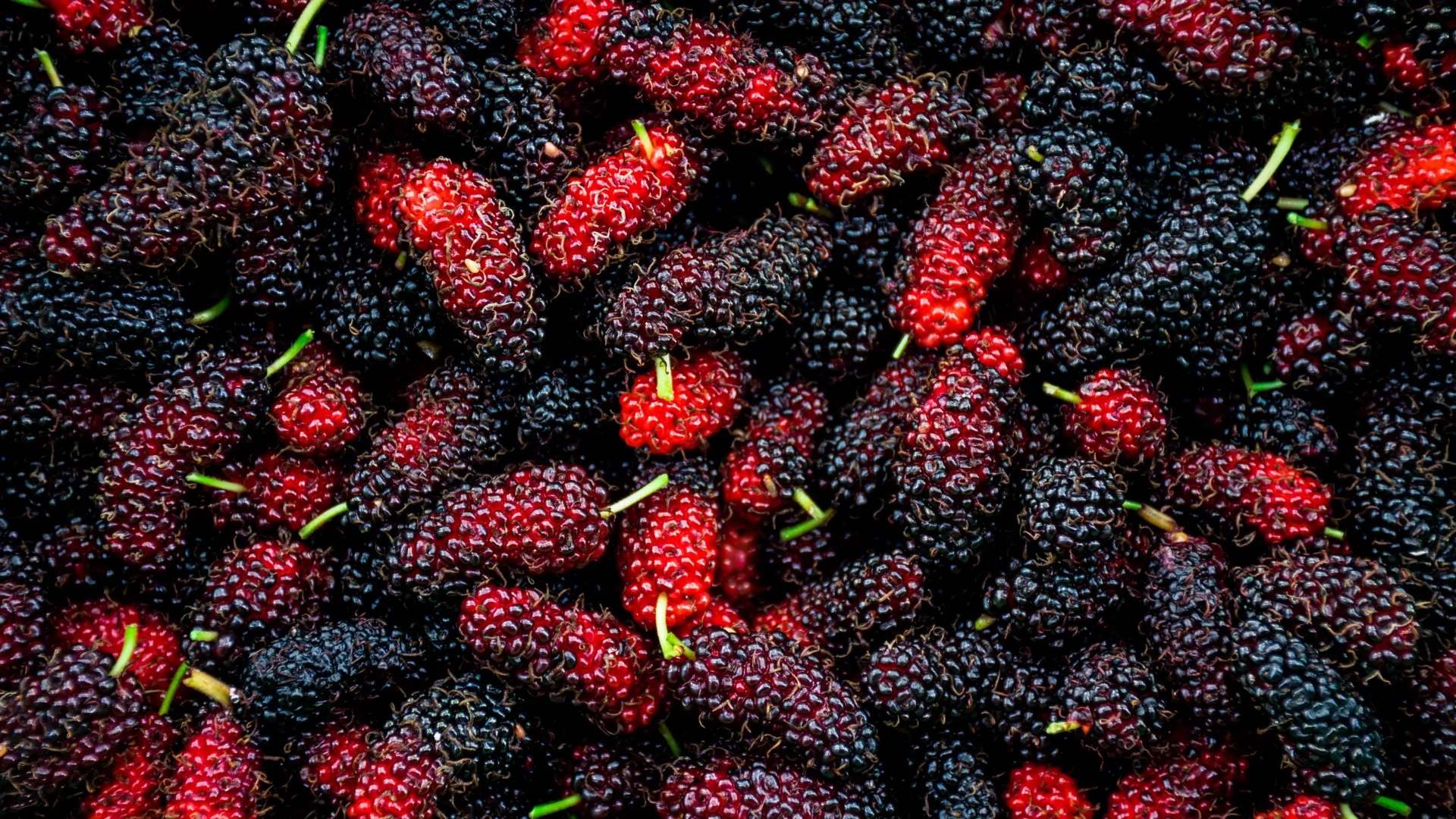
Researchers from Wroclaw Medical University are investigating the potential of mulberry to alter gut microbiota and influence metabolism. The study indicates that outcomes may vary significantly based on the species of mulberry, the specific part of the plant utilized, and processing methods.
Read More
Anna Prescha, PhD, DSc, a professor at Wroclaw Medical University, explains that the gut microbiota plays a critical role not only in gastrointestinal health but also in overall metabolism. Mulberry is considered of interest due to its rich array of bioactive compounds, including polyphenols and polysaccharides, which could interact with gut microorganisms.
Most current research has focused on white mulberry (Morus alba), although notable findings have also emerged from studies on black mulberry (Morus nigra). Mulberry leaves are rich in biologically active components such as 1-deoxynojirimycin (DNJ), known for its effects on carbohydrate metabolism. The fruit of black mulberry contains high concentrations of anthocyanins and various phenolic compounds.
The method of processing mulberry material significantly influences its compound composition and biological activity. Techniques such as drying, fermentation, and extraction can alter the bioactive compounds present, leading to varying effects from preparations made from the same plant material.
The review indicates that both mulberry leaves and fruit preparations can modify the gut microbiota's composition and activity. Some studies noted beneficial shifts in gut bacteria and increased production of short-chain fatty acids, which are vital for proper intestinal function. However, results showed variability depending on the preparation method used.
For instance, the polysaccharides from black mulberry fruit demonstrated differing effects based on extraction methods. Those extracted using water and pectate lyase exhibited stronger prebiotic potential.
Further research shows that more complex mulberry preparations may yield even more pronounced results. In experiments with mice on a high-fat diet, a combination of polyphenols and polysaccharides from white mulberry fruit produced significant positive changes in gut microbiota and improvements in markers related to metabolic syndrome and gut health.
Additionally, in microbiota transplantation experiments, transferring microbiota from mice that received the complex mulberry fraction to other mice led to similar metabolic improvements, suggesting that microbiota changes may contribute to the observed effects.
The research initiative began with a proposal from students Marta Miszczak and Karolina Kłosowska-Buryło as part of the Nutri-Sfera Student Research Group, integrating nutritional and pharmaceutical approaches to study mulberry and gut microbiota.
Despite these promising findings, a significant gap remains in human-oriented studies. Current evidence primarily arises from animal models and laboratory experiments, making it challenging to draw direct parallels to human outcomes. Prof. Prescha emphasizes the need for clinical trials using carefully characterized mulberry preparations to clarify their effects on human gut microbiota and associated health benefits.