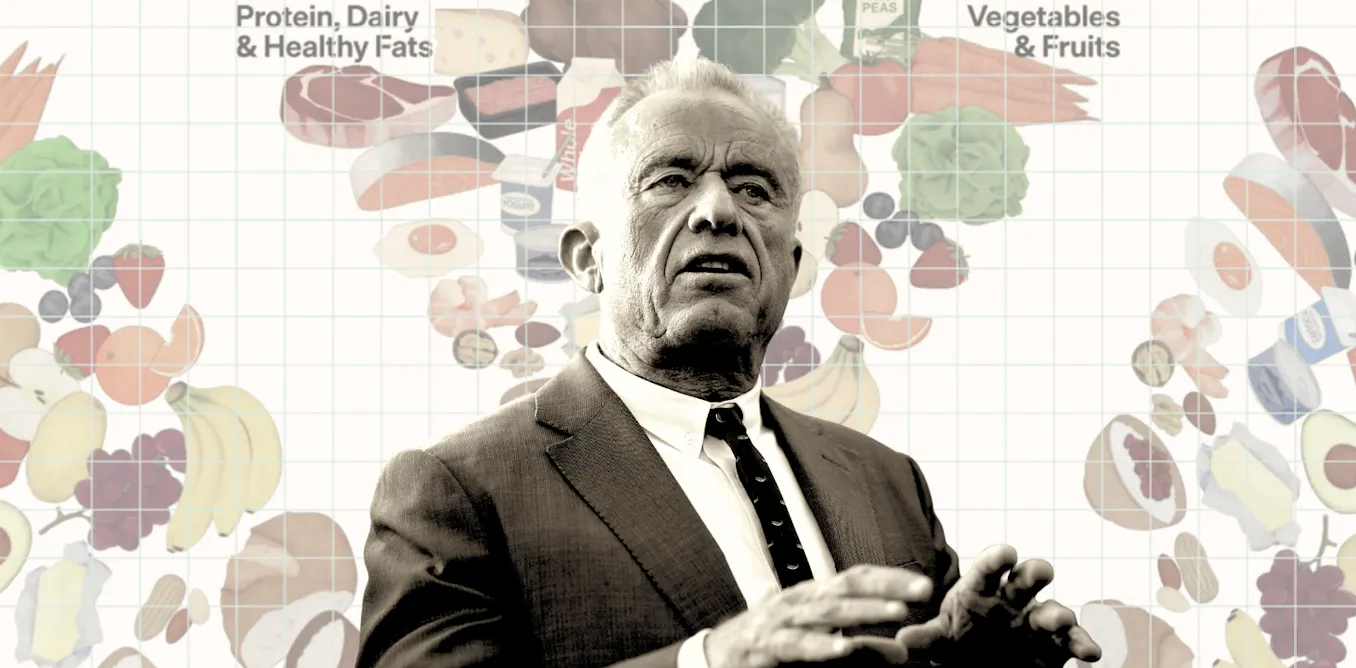
Last week, US Health Secretary Robert F. Kennedy Jr. unveiled the updated dietary guidelines for 2025 to 2030. These guidelines, revised every five years, influence food policy and education for millions of Americans.
Read More
Promoted under the slogan “eat real food,” the new guidelines advocate for prioritizing protein at every meal, consuming full-fat dairy, incorporating ample whole grains, and limiting ultra-processed foods. Additionally, the traditional food pyramid has undergone a redesign.
Despite these updates, much of the core messaging remains consistent with previous versions, encouraging nutrient-rich foods like fruits, vegetables, and whole grains while advising moderation in added sugars and salt. Saturated fat is still recommended to remain below 10% of total caloric intake, aligning with established nutritional evidence indicating that diets rich in whole foods can prevent and manage conditions such as heart disease, diabetes, and mental health issues.
One of the most significant changes is an increase in the recommended protein intake, rising from 0.8 grams to 1.2–1.6 grams per kilogram of body weight per day. This recommendation was derived from a rapid review focusing on weight loss and exercise, although experts argue that the evidence is insufficient for broad dietary guidance.
The guidelines also shift towards recommending full-fat dairy products. However, experts note that individuals at higher risk for heart disease may still benefit from reduced-fat options, a stance supported by the Heart Foundation in both Australia and the US.
Another important addition is the explicit recommendation to limit ultra-processed foods, reflecting growing research that links such foods to chronic diseases and inflammation. This marks a departure from previous guidelines that encouraged nutrient-dense foods without directly addressing ultra-processed options.
The redesigned food pyramid contrasts with the previous model from 1992, which was replaced by the MyPlate system in 2011. The new pyramid positions animal-based foods at the top, alongside vegetables, while fruits, nuts, and grains reside at the narrower tip. This visual representation may contradict written guidelines recommending 2–4 servings of whole grains and a variety of protein sources, potentially leading to confusion about dietary priorities.
Alcohol guidance has also changed, with specific limits removed from the guidelines. The new language advises limiting alcoholic beverages without defining “limit,” omitting warnings about alcohol's connection to various cancers, despite ongoing scientific consensus.
Furthermore, the guidelines suggest that individuals with certain chronic diseases might benefit from a lower carbohydrate diet. While this recommendation is supported by some evidence, it is not universally applicable, particularly for vulnerable populations such as children and pregnant women.
Conflicts of interest have emerged, as the accompanying scientific report reveals that some committee members had financial ties to food industry groups, raising concerns about potential biases in the guideline development process. An analysis of the previous dietary guidelines indicated that 95% of committee members had similar conflicts.
The new guidelines have been criticized for not addressing socio-economic factors that affect food access, particularly for low-income individuals and rural communities. By placing the onus of healthy eating solely on individuals rather than acknowledging systemic barriers, critics argue that the guidelines may overlook essential aspects of food equity.
In summary, while the new dietary guidelines offer some sound advice on whole foods and limiting processed options, they also present inconsistencies and fail to confront the broader food system complexities. Individuals seeking in-depth nutritional guidance are encouraged to consult a registered dietitian.