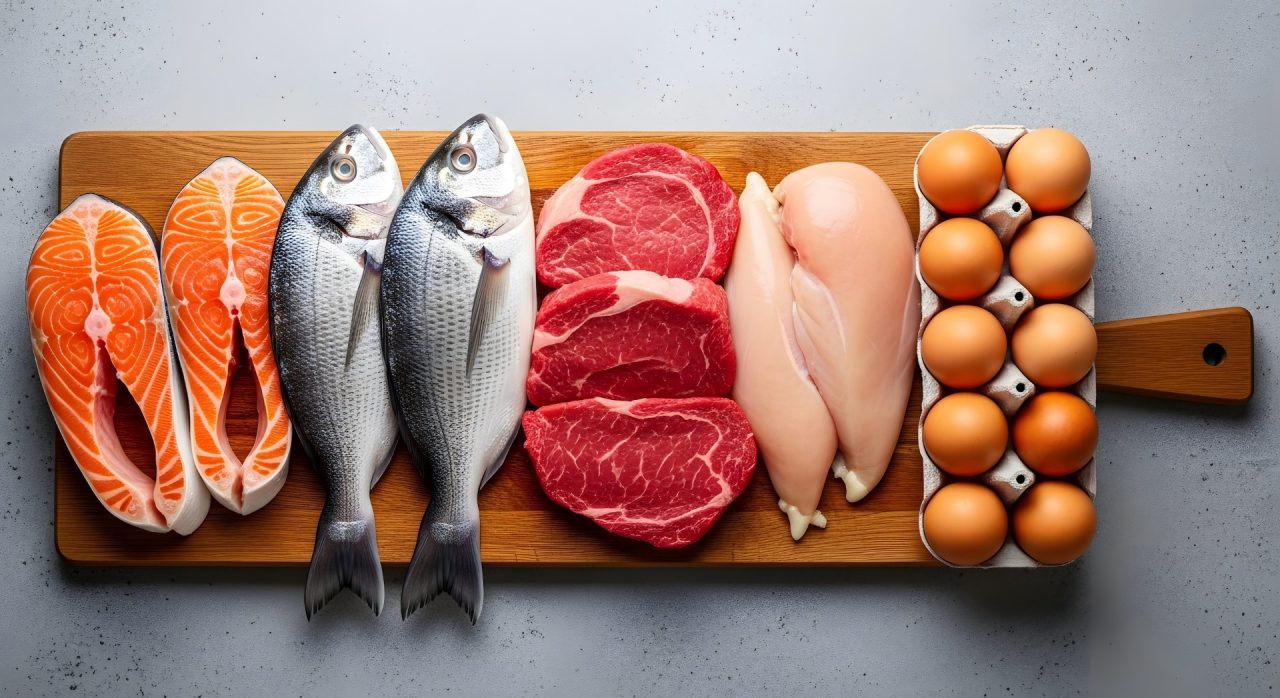
In grocery stores, protein-enhanced versions of various products like potato chips and pastries are increasingly common, reflecting the trend of maximizing dietary protein. This trend has gained traction partly due to recent federal nutrition guidelines that have increased the recommended dietary allowance (RDA) for protein by 50% to 100% compared to previous levels.
Read More
However, the necessity of such an increase is debated. Marily Oppezzo, PhD, a dietitian at the Stanford Prevention Research Center, likens the current obsession with protein to the low-fat craze of the 1990s, emphasizing that while protein is essential, it is not a miraculous solution as often portrayed on social media.
Experts from Stanford Medicine offer insights to clarify the complexities surrounding protein consumption:
1. **Essential for Bodily Functions**: Protein is critical for producing essential cellular components. Dietary protein provides the amino acids necessary for the creation of proteins within our bodies, which serve various functions, including being part of muscles, hair, and skin.
2. **Muscle Retention Matters**: The previous federal RDA for adults was 0.8 grams per kilogram of body weight, amounting to about 55 grams for a 150-pound person. The new guidelines suggest an intake of 1.2 to 1.6 grams per kilogram, which raises the recommendation to between 80 and 110 grams. While this increase is significant, Christopher Gardner, PhD, notes that no new scientific evidence justifies this change significantly. Oppezzo argues that adults over 40 and those using weight-loss medications could benefit from higher protein levels to minimize muscle loss, though resistance training remains critical for muscle maintenance.
3. **Adequate Current Intake**: Many Americans are already consuming sufficient protein, with adult men averaging 90-100 grams and women 65-75 grams per day—figures consistent with the new guidelines. Gardner emphasizes that the previous RDA was intended to ensure nearly all adults met their protein needs, not as a target to exceed.
4. **Fiber Neglect**: A focus on protein can lead to a deficiency in dietary fiber. Gardner warns that a high-protein diet derived from red meat may also result in excessive saturated fat intake, while many individuals overlook fiber-rich plant foods, which are vital for gut health and reducing disease risk. Most Americans consume less than 10 grams of legumes daily, and increasing this could provide both protein and necessary nutrients.
5. **Debunking Protein Myths**: Gardner refutes the myth that plant proteins are incomplete, stating that while some plants have slightly lower levels of individual amino acids, they still provide all essential amino acids overall. Additionally, he notes that concerns about absorbing protein in specific amounts or needing immediate protein after workouts are largely unfounded. Oppezzo adds that excessive protein intake might deprive individuals of other important nutrients from fruits, vegetables, and whole grains.
In summary, while protein is an integral part of a balanced diet, moderation and variety are key. Emphasizing holistic nutrition that includes adequate fiber and nutrients is essential for overall health.