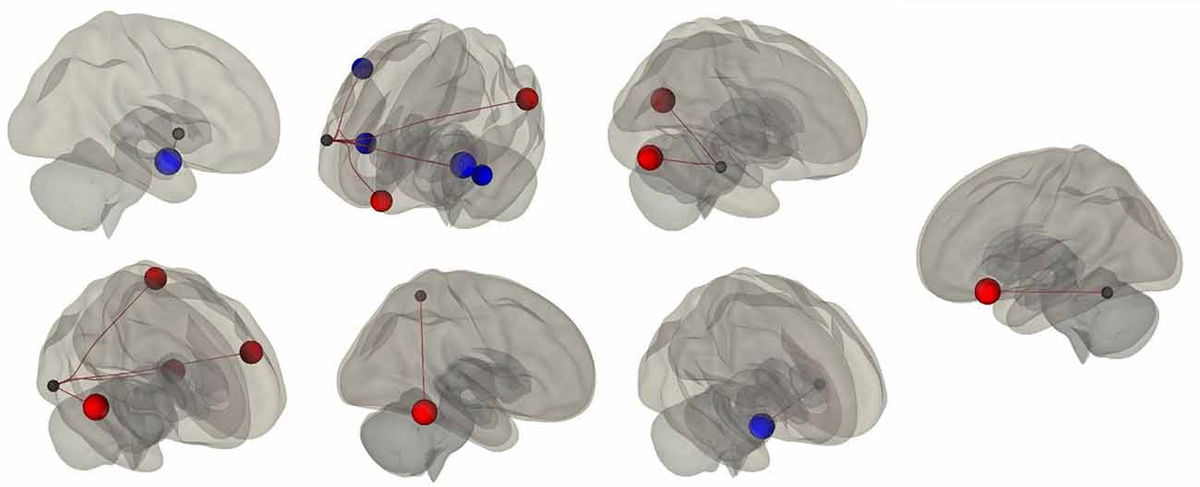
A study published in *Frontiers in Aging Neuroscience* on February 7, 2022, investigates the relationship between self-reported sleep quality and brain connectivity in a sample of 54 healthy participants aged 20 to 68, with a mean age of 37.1 years. Conducted by researchers in Naples, Italy, the study utilized the Pittsburgh Sleep Quality Index (PSQI) to evaluate participants' sleep quality and included assessments of cognitive function related to working memory, anxiety, and depression.
Read More
Participants were categorized as good sleepers (PSQI score <5) or bad sleepers (PSQI score ≥5). Functional connectivity (FC) was analyzed using 3T fMRI imaging, highlighting significant differences in FC within limbic and fronto-temporo-parietal networks. Results indicated that bad sleepers exhibited increased anxiety and depressive symptoms, as well as poorer performance on visuospatial working memory tasks compared to their better-sleeping counterparts.
The study underscores the impact of sleep quality on cognitive functions and emotional well-being, noting that disturbances in sleep are increasingly common and associated with various psychological issues. Crucially, the findings suggest that poor sleep may modulate brain activity linked to everyday cognitive performance, revealing underlying mechanisms that could inform future interventions for sleep disorders and related cognitive impairments.
The correlation between PSQI scores and neuropsychological measures pointed out a significant link between higher PSQI scores and increased anxiety (STAI-T) and depression (BDI-II) scores. Furthermore, bad sleepers demonstrated decreased visuospatial memory performance correlating with reduced functional connectivity in key brain regions. However, the study acknowledged limitations due to its cross-sectional design and sample size, suggesting that further research with larger cohorts and objective sleep measures is warranted.