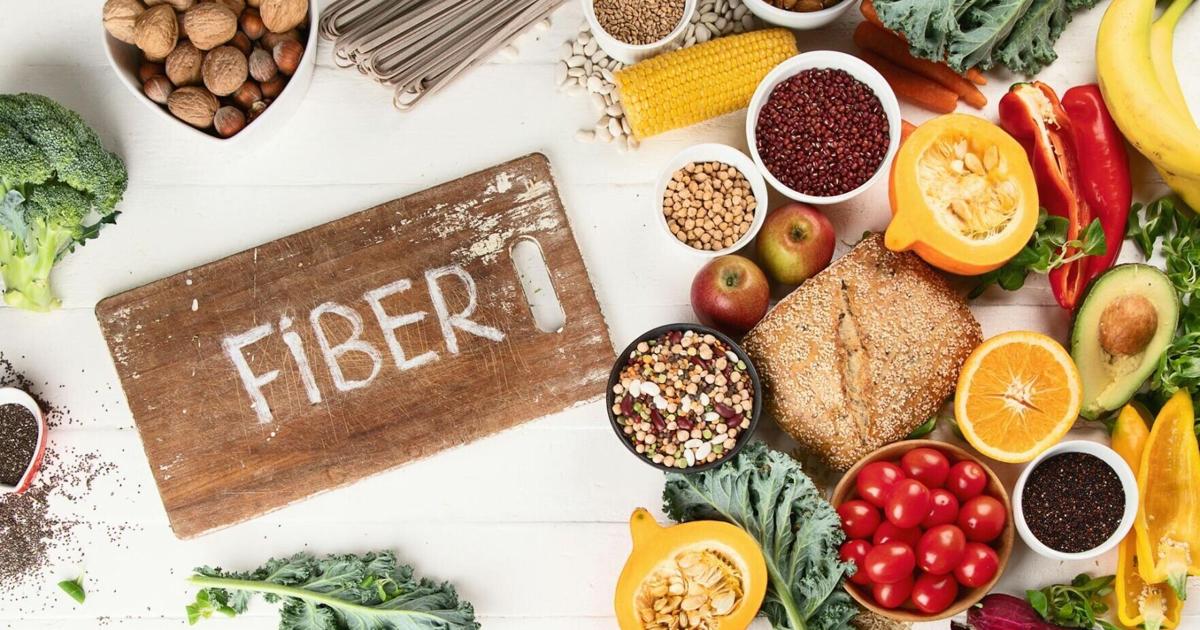
In the United States, the average fiber intake is approximately 16 grams per day, which is significantly below the recommended levels of 25 grams for women and 38 grams for men. Research has demonstrated that high-fiber diets are associated with reduced risks of cardiovascular disease and colorectal cancer, as well as alleviated arthritis symptoms. Despite these benefits, only 4% of U.S. adults met their recommended fiber intake from 2013 to 2018.
Read More
The 2025 update to the American dietary guidelines has stirred confusion by placing high-fiber whole grains at the bottom of the food pyramid, even as the guidelines still emphasize the necessity of whole grains in a healthy diet. This juxtaposition leads to questions about how to effectively incorporate more fiber into daily meals.
Dietary fiber, which consists of carbohydrates that are not digestible, is abundant in foods such as raspberries, avocados, oats, lentils, and whole grains. Supplements like psyllium husk powder, commonly known as Metamucil, also provide fiber. Additionally, isolated fibers like inulin can be found in foods labeled as high-fiber snacks and beverages.
Types of fiber vary in their properties; for example, psyllium is a viscous fiber that forms a gel in water, promoting feelings of fullness and aiding in weight management. Other fibers, such as inulin, are fermented by gut bacteria, helping to reduce inflammation.
While fiber plays a pivotal role in gut health, probiotics can also contribute positively. Probiotic foods, which contain live beneficial microbes, differ from fiber in that they provide new bacteria to the gut ecosystem, whereas fiber feeds the existing bacteria. A recent study indicated that participants consuming a high-fiber diet exhibited more active gut bacteria capable of enzyme production that benefits overall health. Conversely, those who consumed more fermented foods had a more diverse gut microbiome and lower inflammation levels.
To increase fiber intake, individuals should consider gradual changes to their diet while remaining mindful of hydration. Cost and digestive tolerance can pose barriers, making options like fruits, vegetables, and whole grains essential components to explore. Strategies include adjusting the diet according to personal preferences and tolerances, as there is no universal approach to achieving adequate fiber intake.
Research continues to explore not only the benefits of fiber but also the optimal types, amounts, and combinations for health. While observational studies show positive links between fiber and reduced risks of various diseases, larger, well-funded clinical trials are necessary to solidify these findings. Promoting access to fiber-rich foods remains crucial in addressing the fiber gap in the average American diet.
This article is republished from The Conversation, authored by Jean Liew at Boston University, who receives funding from NIH NIAMS.