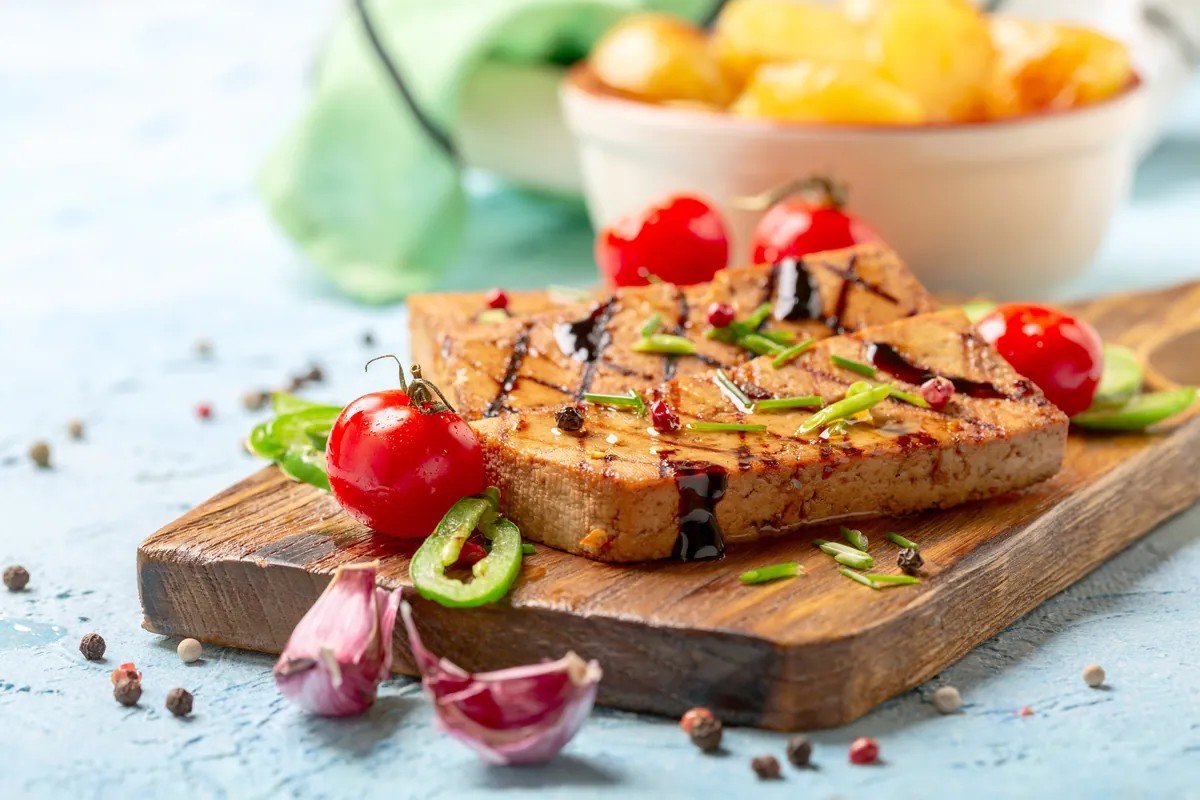
The alternative protein market is increasingly targeting flexitarians as ingredient suppliers adapt to broader consumer preferences. Ingredients like legume proteins and isolates from peas and fava beans are now being developed for various applications including beverages, dairy alternatives, and specialized nutrition. Additionally, lentil protein is being utilized to protect essential micronutrients often deficient in plant-based diets.
Read More
Data from Innova Market Insights reveals that over half of global consumers indicate they are increasing their protein intake, with a significant portion seeking plant-based sources due to perceived health benefits. Food Ingredients First spoke with representatives from Roquette and Seaweed & Co about the evolving landscape of alternative protein demand.
Benjamin Voiry, head of marketing for plant proteins at Roquette, pointed out that changing lifestyles and economic pressures are contributing to a shift in consumer demand for protein-rich products in smaller sizes. High prices for whey protein are also incentivizing manufacturers to explore more cost-effective alternatives. He emphasized that flexitarians significantly outnumber vegans and vegetarians, highlighting an opportunity to cater to consumers who prefer adding more protein sources without fully eliminating animal products. “This creates opportunities to develop hybrid products that blend plant and animal proteins,” he said.
Francesca Chetham, nutrition and business development manager at Seaweed & Co, stressed the importance of iodine, which often receives less attention than nutrients like vitamin B12 or iron in plant-based diets. She noted that with the replacement of certain foods, iodine intake can decline rapidly, impacting thyroid function and fertility, making Europe as a whole iodine insufficient. Chetham underscored the significance of iodine for various health factors, asserting that product developers should proactively include seaweed, the only substantial plant-based source of iodine, instead of relying on supplements.
Seaweed & Co. has introduced PureSea Protect, a microencapsulation technique that uses lentil protein to wrap seaweed, avoiding synthetic or animal-based carriers. Chetham described this choice as a dual response to market demands, noting that lentil protein provides a clean label option and aligns well with allergen-conscious formulations. This coating not only masks seaweed's taste but also protects sensitive compounds during digestion, enhancing their bioavailability.
Chetham expressed excitement about the potential for encapsulation technology to safeguard nutrients such as iron and zinc, which pose stability challenges. She suggested that combining nutrients through encapsulation could resolve issues related to tolerance and compatibility.
Meanwhile, Roquette’s Voiry highlighted that pea and fava bean isolates present high protein content (80–90%) but noted the challenges of managing taste during formulations. Roquette's newly launched Nutralys Pea 850F delivers 85% protein while significantly reducing undesirable pea flavors, enhancing aspects like solubility and emulsifying capabilities, which are crucial for various product types.
As consumer expectations evolve, Roquette recognizes the increasing sophistication of texture requirements in plant-based meat products. Voiry remarked on the distinct textural characteristics necessary for these products, noting that different protein types can create specific effects, such as the fibrous texture achieved with Nutralys TP 700XC. For hybrid products, Nutralys T Pea 702M helps retain both protein levels and texture as the meat content decreases.
Looking towards the future, Roquette is focused on maximizing opportunities in the alternative protein space by moving past mere substitutes for meat. They aim for diverse plant-forward and hybrid products that appeal to consumer taste and nutrition needs. “The key is matching the right protein source to the functional demands of the product,” Voiry concluded.