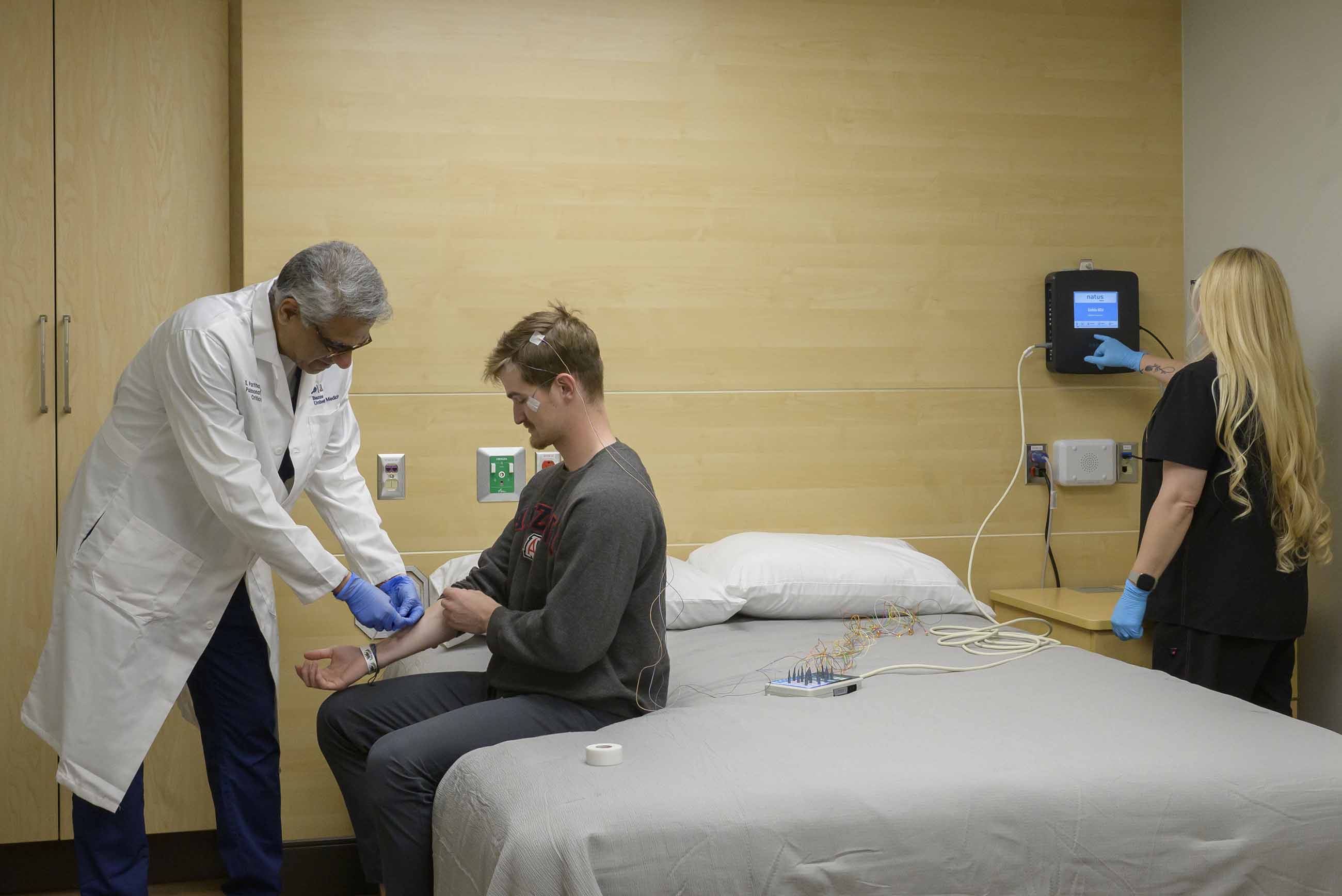
Sairam Parthasarathy, MD, is the director of the University of Arizona Center for Sleep, Circadian and Neuroscience Research and an authority on sleep science. With nearly 30 years in the field, Parthasarathy has helped elevate the importance of sleep in health care, a sharp contrast to when he began his career, a time when sleep was largely ignored in medical contexts.
Read More
Parthasarathy, initially unaware of sleep medicine's potential, transitioned into this specialty after a serendipitous job opportunity during his residency at Loyola University Medical Center in Chicago. His experience there spurred his interest in the physiological aspects of sleep and the numerous conditions that impede it, such as obstructive sleep apnea and insomnia. Sleep medicine has since gained significance as evidenced by the proliferation of dedicated clinics and training programs, according to the Journal of Clinical Sleep Medicine.
A conversation with mentor Martin J. Tobin, MD, was pivotal for Parthasarathy. He recognized the broader impact research could have on patients beyond one-on-one care. He currently balances his clinical practice at Banner – University Medical Center Tucson with academic responsibilities, focusing on health equity and advancements in sleep science.
Parthasarathy emphasizes the link between sleep and major health threats, including cancer and heart disease. His work includes studies addressing the implications of COVID-19 and long COVID on sleep, contributing to initiatives like the National Institutes of Health’s RECOVER and CEAL programs. The peer support program he developed for obstructive sleep apnea patients addresses the dual issues of behavior change and the shortage of sleep specialists in the U.S.
He leads a national clinical trial assessing how treatments for obstructive sleep apnea might affect Alzheimer’s disease progression as part of the ESSENTIAL study, funded by the NIH. This research seeks to determine if improved management of sleep apnea can lead to a slower decline in Alzheimer’s symptoms.
Looking ahead, Parthasarathy is keen to explore how wearable technology and artificial intelligence can further advance sleep medicine. His recent testimony before the House Committee on Veterans’ Affairs underscored the potential of these technologies to enhance health care for veterans and the larger population. Parthasarathy remains dedicated to advocating for sleep science, emphasizing its crucial role in improving overall health.