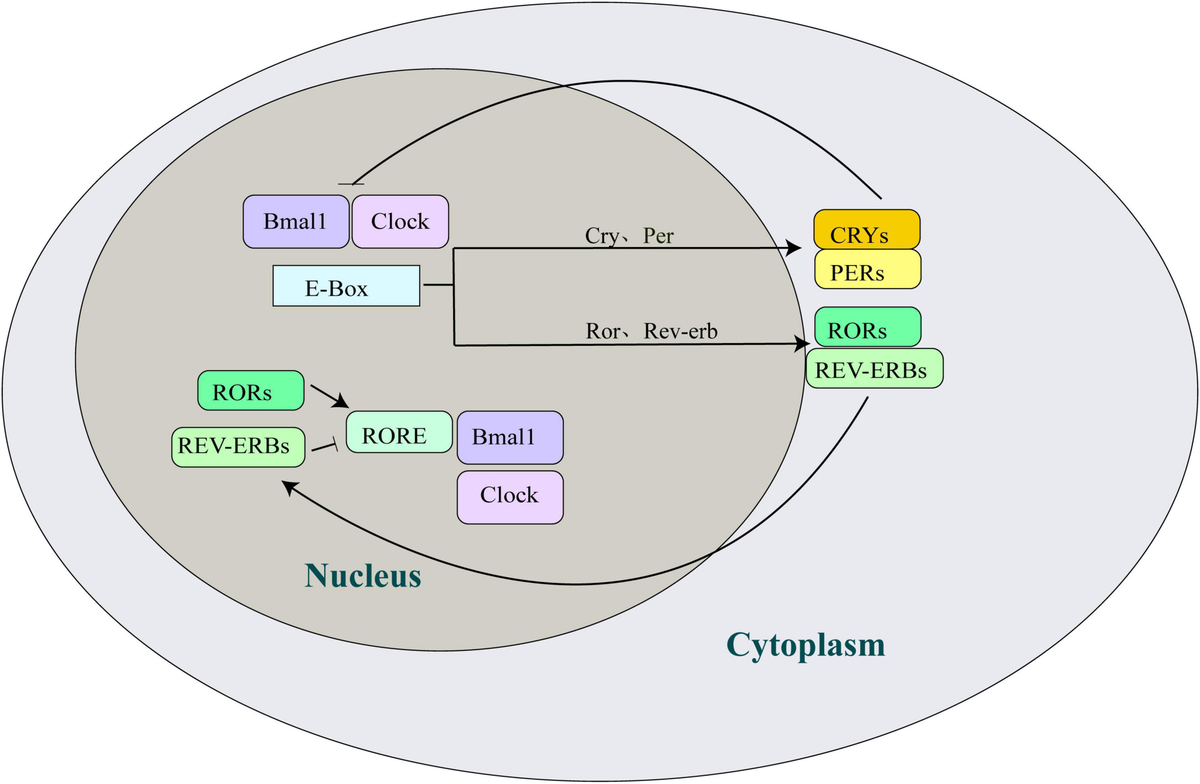
Recent research highlights the cochlear circadian clock as a key regulator of auditory function and its response to noise exposure. The cochlea exhibits circadian oscillations linked to the secretion of brain-derived neurotrophic factor (BDNF) and glucocorticoids, suggesting these rhythms influence cochlear sensitivity to noise, potentially contributing to noise-induced hearing loss (NIHL).
Read More
The circadian clock, an internal timekeeping system, evolved in organisms to adapt to environmental changes. Its rhythms play vital roles in various biological processes across different organs, including the cochlea. Understanding the regulatory mechanisms of the circadian clock in auditory function may inform new therapeutic strategies for NIHL.
In mammals, the central circadian clock is situated in the suprachiasmatic nucleus (SCN), while peripheral clocks exist in nearly all tissues, including the cochlea. These clocks synchronize biological processes with environmental cues like light and darkness. Disruptions in these rhythms can lead to health issues, including altered auditory function.
The cochlea contains circadian clock genes, which exhibit self-sustaining rhythms, as observed in mouse models. Studies show that the cochlea reacts differently to noise depending on the time of day. For instance, exposure to noise during the daytime caused temporary thresholds shifts, while nighttime exposure resulted in permanent shifts, indicating greater susceptibility at night.
Molecular mechanisms underlying NIHL include oxidative stress, inflammation, and apoptosis, all of which can be influenced by the circadian clock. Elevated levels of oxidative stress and inflammatory responses have been linked to noise trauma, which may exacerbate hearing loss.
Research indicates that noise exposure affects the expression of neurotrophic factors like BDNF, crucial for maintaining inner ear function and protecting against hearing loss. Notably, daytime exposure to noise prompts higher BDNF levels, enhancing recovery, while nocturnal exposure results in lower levels and reduced protective response.
The study further delves into how the TrkB-BDNF signaling pathway interacts with circadian rhythms, showcasing its role in regulating cochlear sensitivity to noise. This interaction suggests that leveraging circadian principles could enhance treatment approaches for NIHL.
In summary, the findings underscore the importance of the cochlear circadian clock in auditory processes and its potential impact on developing interventions for NIHL. Further study is required to explore the role of circadian rhythms in the auditory system, particularly regarding timing and effectiveness of pharmacological treatments.