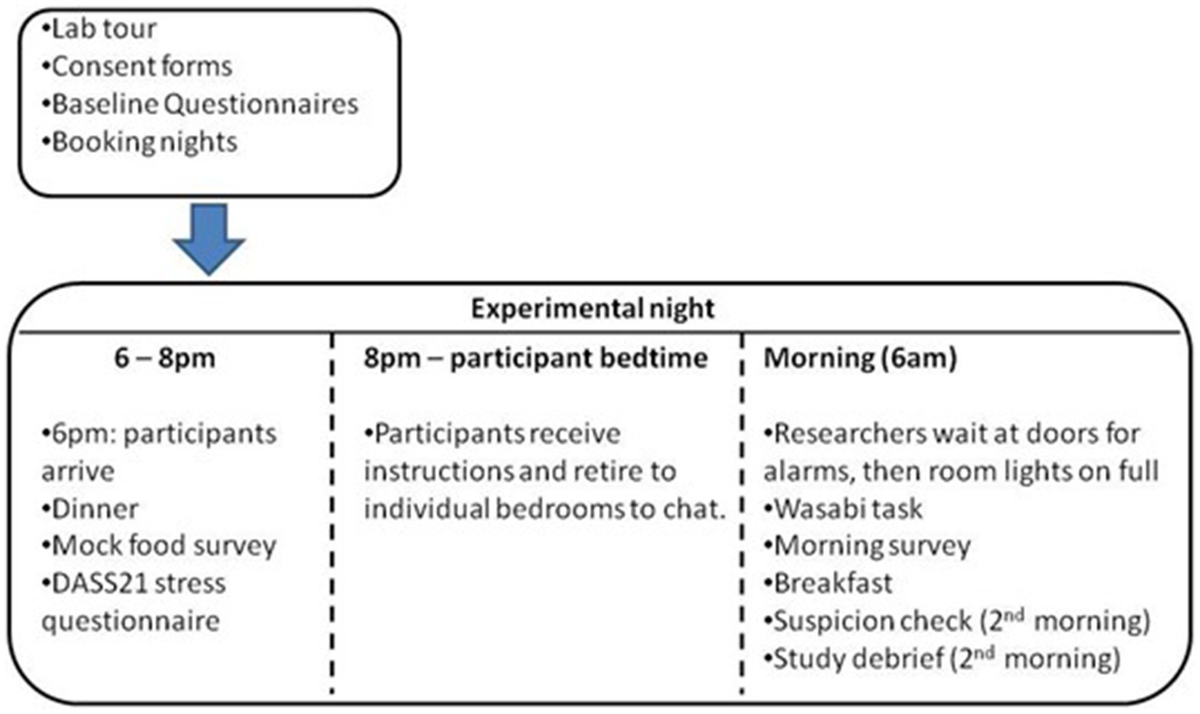
A recent study investigated the connection between sleep duration, trait aggression, and observed aggressive behavior in adolescent females, addressing gaps in earlier research regarding sleep's moderating effects. Previous studies suggested that inadequate sleep could increase aggression, yet few have utilized controlled designs or objective measures of aggression.
Read More
The study involved 34 adolescent females participating in an overnight lab stay at Flinders University. Sleep duration was monitored with a consumer-grade sleep-tracking device, while participants reported sleep quality themselves. The next morning, participants were assessed for aggressive behavior using a modified Hot Sauce Paradigm, which gauges aggression through the allocation of wasabi paste to an unsuspecting individual. Trait aggression was measured via the Buss-Perry Aggression Questionnaire (BPAQ).
Results indicated that sleep duration significantly moderated the relationship between trait aggression and aggression, showing that shorter sleep led to greater aggression only among those with higher trait aggression (R2change = 0.11, p = 0.03). Conversely, self-reported sleep quality did not show a significant moderating effect.
The findings suggest that adolescents who exhibit high levels of trait aggression are especially vulnerable to the behavioral consequences of not getting enough sleep. This highlights the importance of ensuring adequate sleep to mitigate aggressive tendencies in this demographic. The study contributes to existing theories of aggression by demonstrating the moderating role of objectively measured sleep duration and providing insights into potential sleep-based interventions for at-risk youth.
The research supports the notion that healthy sleep can act as a valuable resource in reducing the risk of aggressive behaviors, particularly in adolescents. It also underscores the need for targeted strategies to promote good sleep habits among those with high trait aggression.