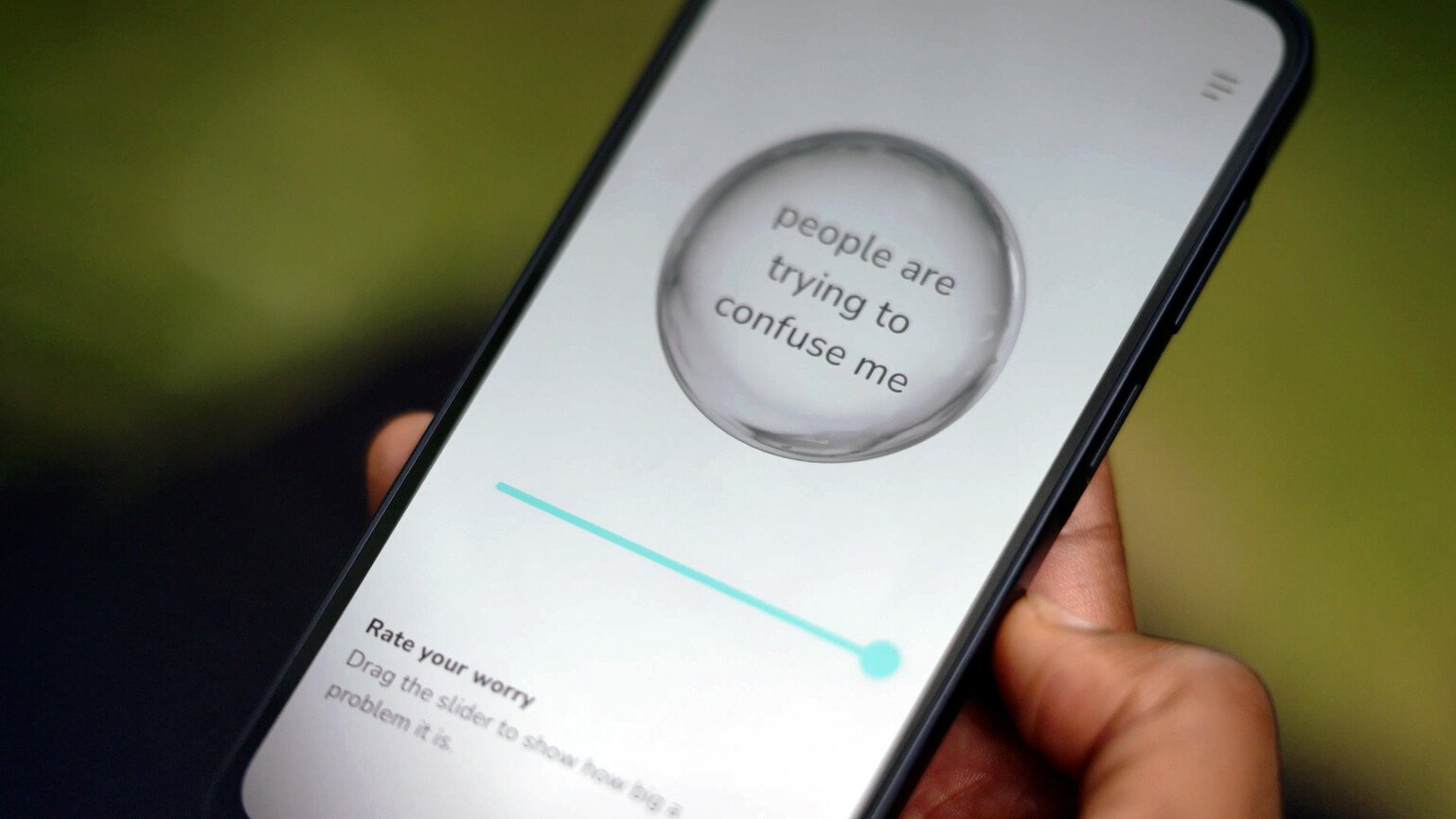
Amy Grant, a lived experience researcher on SloMo, a new digitally supported therapy for individuals experiencing paranoia in psychosis, states, "The number one thing SloMo has done for me is build confidence. I hope it will reach the people who usually slip through the net and give them the confidence to achieve what they want in life." Her insights have significantly shaped how SloMo operates, catering especially to those struggling to access traditional support.
Read More
Paranoia, often defined as a fear that others intend to cause harm, can be severe for people with psychosis. Amy Hardy, Chief Investigator for the project at King’s College London, notes that approximately one in five people experience paranoia frequently, but for those with psychosis, it can lead to isolation and an inability to engage in daily activities.
Cognitive behavioral therapy (CBT) for psychosis is beneficial but access remains limited, with only one in ten eligible individuals receiving such treatment due to costs and other barriers. Research has also shown that marginalized groups may not receive adequate CBT or derive as much benefit from it, underscoring the need for more accessible and integrated approaches. SloMo aims to fill this gap by combining therapy sessions with a mobile app, providing users with practical tools to manage their concerns between sessions and beyond.
In an effort to better understand and address the challenges associated with paranoia, SloMo employs a unique approach that visualizes thoughts as bubbles within the app. This design allows users to articulate and analyze their thoughts, helping them to slow down and gain perspective. Hardy explains that the goal of SloMo is not to dismiss thoughts but to encourage users to consider alternative explanations for their experiences while developing strategies to feel safer.
The project emphasizes inclusive design, integrating feedback from individuals with lived experience throughout the design process. This collaborative approach led to the effective representation of worries as bubbles, which effectively resonates with users and provides a shared language to discuss thoughts. Chris, another contributor to the project, shares that SloMo offers a user-friendly experience, effectively bridging the divide in mental health support.
Initial results from a clinical trial over six months revealed that SloMo improved not only paranoia but also confidence, wellbeing, and overall quality of life. Significantly, the trial indicated that the app's effectiveness was not hindered by participants' age or ethnicity. SloMo is currently being rolled out in three NHS trusts for routine care, with encouraging initial feedback regarding its implementation.
SloMo is part of a broader initiative to utilize digital technologies for enhancing mental health support, with Wellcome funding several projects aimed at making mental health care more effective and accessible. As digital interventions continue to expand, the focus remains on ensuring they are grounded in genuine lived experiences to benefit all communities, particularly those facing barriers to traditional mental health services. This project demonstrates the potential of utilizing digital tools to transform the landscape of mental health care.