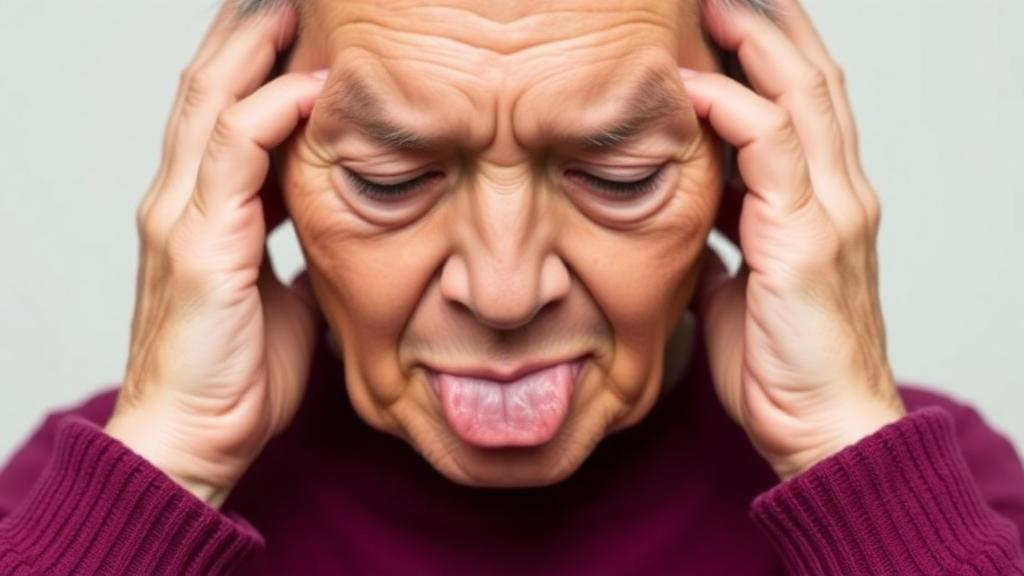
A large-scale study from China reveals a significant connection between dysphagia, or difficulty swallowing, and anxiety in older adults. The research, published in BMC Geriatrics, surveyed over 13,000 community-dwelling individuals aged 65 and older. Results indicated that those with swallowing difficulties were considerably more likely to experience anxiety symptoms compared to their peers with no swallowing issues.
Read More
Conducted between 2023 and the study’s completion, the research involved face-to-face interviews with 13,544 older adults in Central China, using cluster random sampling to ensure a diverse representation. Participants completed two validated screening tools: the 10-item Eating Assessment Tool for dysphagia risk and the 7-item Generalized Anxiety Disorder scale to assess anxiety. This self-reporting approach allowed researchers to capture participants’ perceptions of their difficulties, possibly revealing issues not typically diagnosed in clinical settings.
The findings were notable, with 18.10 percent of participants—2,452 individuals—showing anxiety symptoms, while 21.37 percent—2,895 people—reported a risk of dysphagia. Notably, 699 participants, or 5.16 percent, experienced both issues, suggesting a link that exceeds what random chance would predict.
The methodology was critical in confirming these findings. Researchers utilized multiple logistic regression to account for various factors that could affect the results, such as age, chronic health conditions, and lifestyle. After adjusting for these confounders, the association between dysphagia and anxiety was pronounced, with an adjusted odds ratio of 1.567, indicating a 57 percent increased likelihood of anxiety symptoms in those with swallowing difficulties.
To further validate their results, the team employed propensity score matching, comparing individuals with and without dysphagia risk while ensuring their profiles were similar. The findings remained consistent, with anxiety symptoms reported by 24.15 percent of participants with swallowing difficulties, compared to 17.93 percent of those without.
The researchers suggest that the relationship between swallowing difficulties and anxiety could stem from their shared influence on physical and emotional health, where fear of choking during eating amplifies anxiety, subsequently worsening the perception of swallowing challenges. Moreover, the consequences of dysphagia, such as dietary restrictions and social embarrassment, can heighten stress and negatively affect mental well-being.
The community-based nature of the study highlights the importance of awareness in public health, as many older adults live independently, yet face undiagnosed dysphagia and anxiety. The authors propose integrating screenings for these conditions in geriatric care, emphasizing that a simple assessment could significantly improve the lives of older adults.
The study's limitations include its cross-sectional design, which prevents causal inferences about the relationship between dysphagia and anxiety. Self-reported measures may not align perfectly with objective evaluations, and the sample's specificity to Central China calls for caution when generalizing results.
Overall, the research underscores the interconnectedness of physical and mental health in aging populations, positing that addressing one often necessitates attention to the other. Given that both issues affect approximately one in five older adults in the study, they are critical concerns impacting quality of life and healthcare.