Psilocybin and standard antidepressants both reduce the brain's inclination to perceive negative emotional cues, according to a study published in Translational Psychiatry. This research indicates that both treatments may alleviate depression by altering how the brain processes emotional information, though they do so on different timelines.
Read More
Depression affects a person's perception of reality, often leading individuals with major depressive disorder to view ambiguous social cues negatively. This negative affective bias can perpetuate the illness, as interpreting social interactions as hostile reinforces depressed moods. Traditional treatments, such as selective serotonin reuptake inhibitors (SSRIs), aim to correct this bias. However, medications like escitalopram often take weeks to show noticeable improvements, primarily as they first shift emotional processing before mood enhancement occurs.
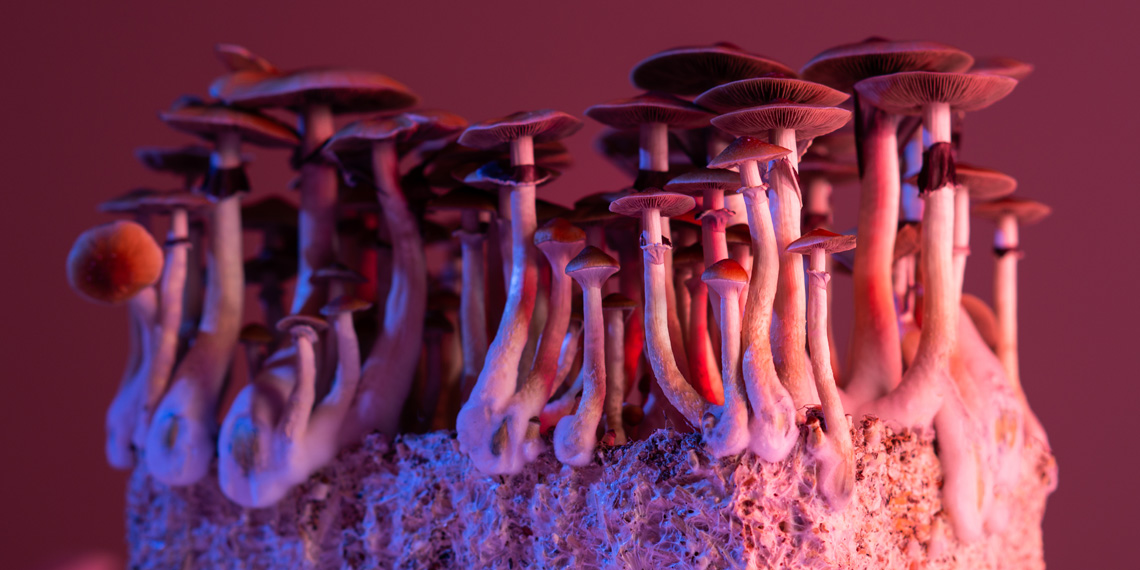
In contrast, psilocybin, the active ingredient in magic mushrooms, has shown promise in alleviating depressive symptoms more quickly in clinical trials. Researchers led by Marieke A. G. Martens of the University of Oxford sought to investigate whether psilocybin elicits similar cognitive changes as SSRIs.
The study involved 59 patients with long-standing moderate-to-severe depression, divided into two groups for a six-week, double-blind trial. One group received two doses of psilocybin (25 mg each, three weeks apart) along with a daily placebo. The other group was treated with daily doses of escitalopram throughout the trial, also receiving two small doses of psilocybin that served as a placebo.
Both groups had identical psychological support during the trial, including preparatory and integration sessions to aid in processing their experiences. Researchers assessed emotional processing through a Facial Expression Recognition Task at the beginning and end of the trial. This task required participants to identify emotions displayed on human faces.
At baseline, participants demonstrated a measurable negative bias, recognizing negative emotions more accurately than positive ones. After six weeks, both groups exhibited a reduction in this bias, but the differences in outcomes between the psilocybin and escitalopram groups were not statistically significant. Both treatments led to improved reaction times and fewer errors in recognizing emotions.
Neuroimaging studies indicated that while escitalopram reduced activity in the amygdala, an area critical for processing emotion, psilocybin did not produce the same effect. Despite this difference, participants in both groups showed similar behavioral improvements.
The research also sought to correlate changes in emotional bias with overall depression severity, using a self-report questionnaire. At the six-week mark, reductions in negative bias did not correspond with lower depression scores. However, a month later, for escitalopram patients, a decrease in misclassifying positive faces as negative at six weeks was associated with improved depression scores, suggesting a gradual improvement in mood.
Conversely, no such correlation was found in the psilocybin group, indicating that while psilocybin alters emotional processing, its rapid antidepressant effects may be influenced by other factors.
The researchers identified limitations, including the absence of a pure inactive placebo group, complicating the ability to isolate the drugs' effects from psychological support. Additionally, volunteers may have had a preference for psilocybin, which could affect their responses.
Future studies should aim to incorporate active placebo control groups and assess emotional processing changes earlier in the treatment timeline to better understand how quickly cognitive shifts occur. Both treatments altered emotional interpretation, paving the way for further research into the relationship between perception and mood improvement. The study was co-authored by Martens, Bruna Giribaldi Cunha, David Erritzoe, David Nutt, Robin Carhart-Harris, and Catherine J. Harmer.