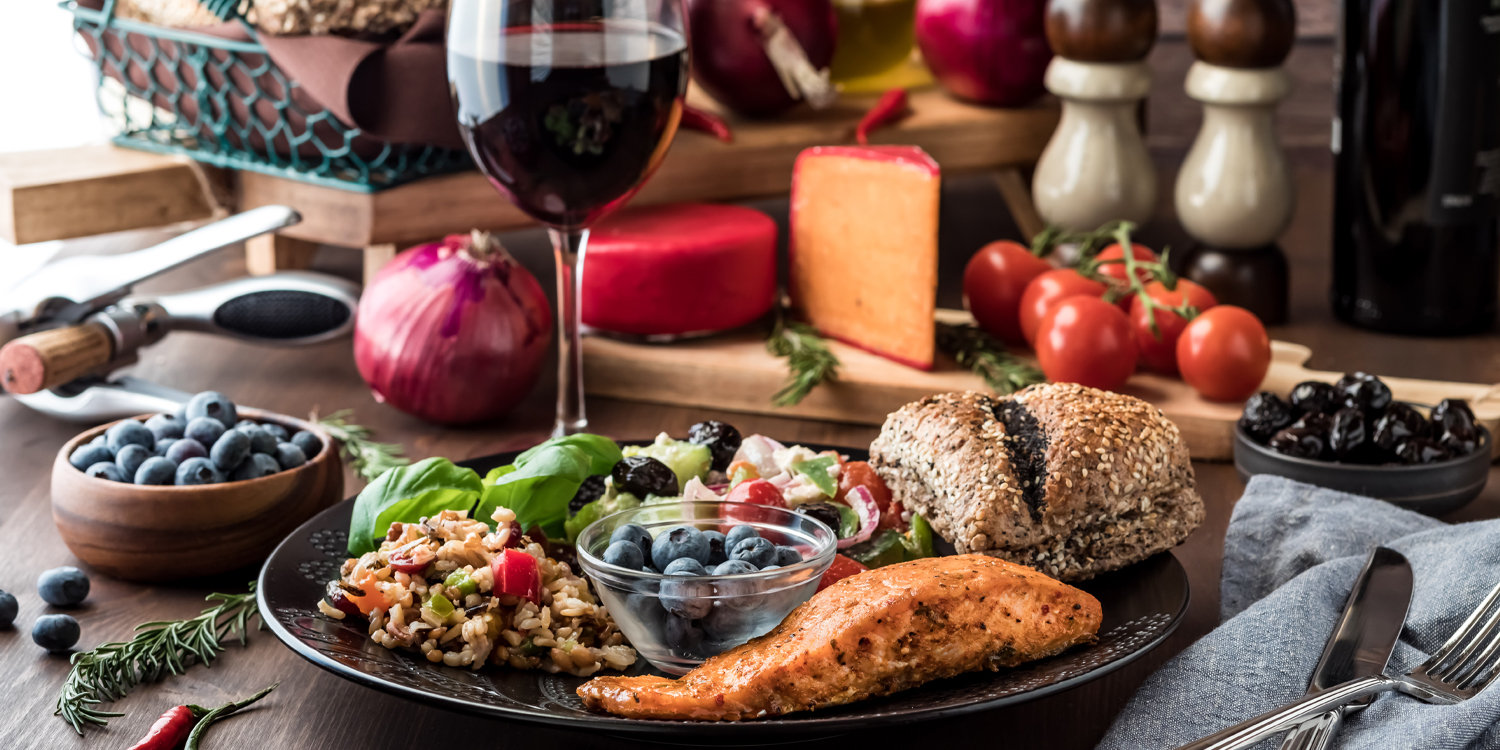
A diet rich in plants, fish, and olive oil is associated with enhanced mental health and emotional resilience in older adults, according to a study published in BMJ Open. The research suggests that adopting a Mediterranean style of eating can safeguard psychological well-being, especially during societal stresses like the COVID-19 pandemic. These findings highlight the importance of nutrition in helping older populations maintain a positive outlook on life.
Read More
The Mediterranean diet emphasizes traditional foods from countries around the Mediterranean Sea, focusing on vegetables, fruits, beans, nuts, whole grains, fish, and extra virgin olive oil, while limiting red meat, dairy, and processed sweets. Extensive research has linked this diet to improved physical health, including reduced risks for heart disease and depression.
While it is established that good nutrition helps prevent negative mental states, less attention has been paid to how food habits affect positive psychological well-being. Positive well-being involves feelings of control, independence, purpose, and enjoyment of life, and it is linked to longer survival and reduced disability in later years.
The research team, including Andrew Steptoe and Alanna Jo Shand from University College London and Camille Lassale from the Barcelona Institute for Global Health, aimed to investigate how dietary habits impact these positive feelings. They focused on older adults to see if a Mediterranean diet promotes an active, meaningful mindset, especially during emotional challenges.
To conduct this study, the researchers analyzed data from the English Longitudinal Study of Ageing, which tracks the health, economic circumstances, and social lives of older adults in England. The analysis included 3,296 participants aged 50 and older, with an average age of 68, who completed a comprehensive online dietary assessment between 2018 and 2019. Participants reported everything they consumed over two 24-hour periods, using a tool that included portion size images to ensure accuracy.
The researchers utilized the relative Mediterranean Diet Index to score participants' food responses based on adherence to the Mediterranean diet, where higher scores indicated stronger alignment with the dietary pattern. Participants also completed a questionnaire evaluating their positive psychological well-being, which measured feelings of independence and life meaning.
Initial analyses revealed a positive correlation between adherence to the Mediterranean diet and mental outlook, with higher scores linked to elevated levels of positive psychological well-being. This association held even after factoring in variables such as household income, education, physical activity, smoking status, and existing physical health conditions. Notably, even when accounting for symptoms of depression, the link remained significant, indicating a distinction between positive well-being and the absence of clinical depression.
Follow-up data from June and July 2020 showed how dietary habits interacted with the stress of the COVID-19 pandemic. The study group experienced decreased positive psychological well-being due to lockdown measures and social isolation. However, those who adhered closely to a Mediterranean diet prior to the pandemic reported a lesser decline in well-being, suggesting that this dietary pattern acts as an emotional buffer.
Despite the informative findings, the study faces limitations. As it relies on observational data rather than a controlled experiment, a direct causal link between the Mediterranean diet and mental health cannot be established. It is possible that individuals who feel happier are more inclined to choose healthy foods, indicating a potential two-way relationship.
Additionally, the online dietary survey may have excluded older adults less comfortable with technology, and participants who completed it were generally healthier and wealthier. The reliance on self-reported dietary habits over two days may not accurately represent long-term eating patterns. Furthermore, the study group was predominantly white, potentially limiting applicability to other ethnicities.
Future research should aim to involve more diverse populations over extended periods while exploring the biological mechanisms linking diet to mood. Current theories suggest that components of the Mediterranean diet, such as dietary fiber, omega-3 fatty acids, and polyphenols, contribute to better brain function and positive mood by reducing inflammation and improving gut health.
The study, titled “Adherence to the Mediterranean diet and psychological wellbeing before and during the COVID-19 pandemic: a prospective analysis of the English Longitudinal Study of Ageing,” was authored by Andrew Steptoe, Alanna Jo Shand, and Camille Lassale.