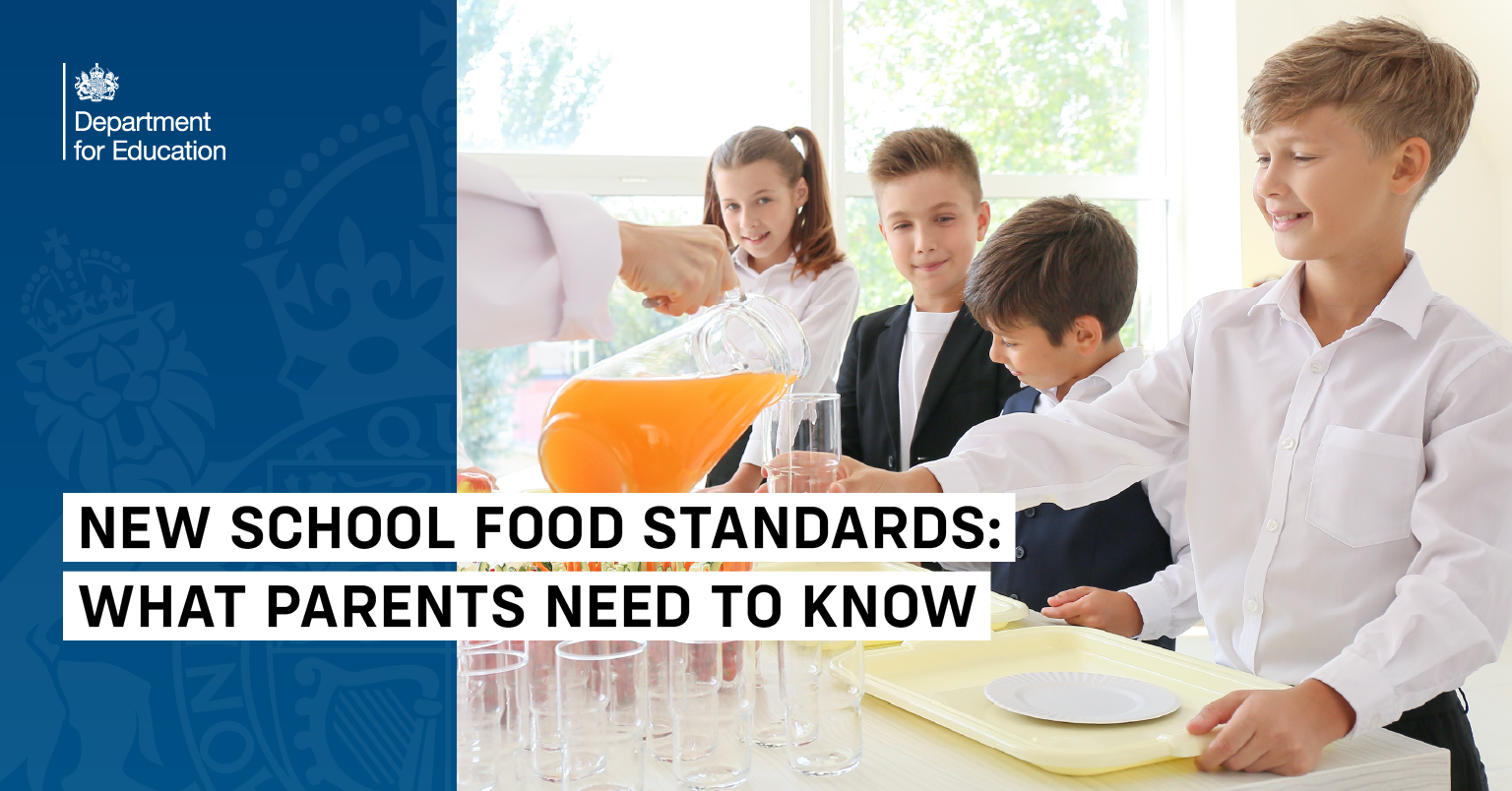
The government has updated the School Food Standards for the first time in over a decade to enhance children’s health, wellbeing, and learning through improved nutrition. These changes aim to ensure that every child has access to appetizing and nutritious meals in schools, directly addressing parent concerns regarding sugar, processed foods, and the lack of information about school meals.
Read More
An estimated 500,000 additional children will benefit from free school meals starting this September, thanks to the expansion of the program for families on Universal Credit.
The revised standards implement stricter guidelines on food and drink served in schools, emphasizing the nutritional quality of meals. Key changes include increasing servings of fruits, vegetables, and fiber while decreasing foods high in fat, salt, and sugar across all primary and secondary schools, including breakfast and lunch options.
These updates come in response to changing children's eating habits and parental concerns about sugar intake and processed foods, as well as health issues such as rising childhood obesity and tooth decay. Parents have expressed the need for better quality food and greater transparency, motivating the government to align school meals with modern healthy eating guidelines.
As a result, school menus are expected to feature fresher, healthier options with a greater variety of balanced dishes. Deep-fried foods will be eliminated, and high-fat items like pizza and sausage rolls will not be available every day. While low-sugar desserts such as apple crumble and banana bread will still be permitted, the emphasis will be on offering fruit alongside options like yogurt or custard for most of the week.
The initiative is designed to maintain meal familiarity and enjoyment for students, featuring popular dishes like spaghetti Bolognese, burritos, cottage pie, and jerk chicken, all made healthier.
These new standards will also extend to breakfast clubs, ensuring children receive healthier meals that can help them start their day prepared for learning. This is part of a broader effort that includes the expansion of free breakfast clubs, potentially benefiting over 680,000 children.
To enhance accountability, schools will be required to publish their food policies and menus online and appoint a school food governor. The government will support schools through training and resources and will collaborate with the Food Standards Agency for monitoring implementation, with more details forthcoming.
While some schools may initiate changes immediately, full implementation of the updated standards is expected by September 2027. Phased adjustments concerning specific foods for secondary schools, like cheese and drinks, will begin earlier to ensure a successful transition.
These changes are part of a comprehensive strategy to improve children’s health, coinciding with the expansion of free school meals and breakfast clubs, ultimately aiming to foster healthy eating habits among students.