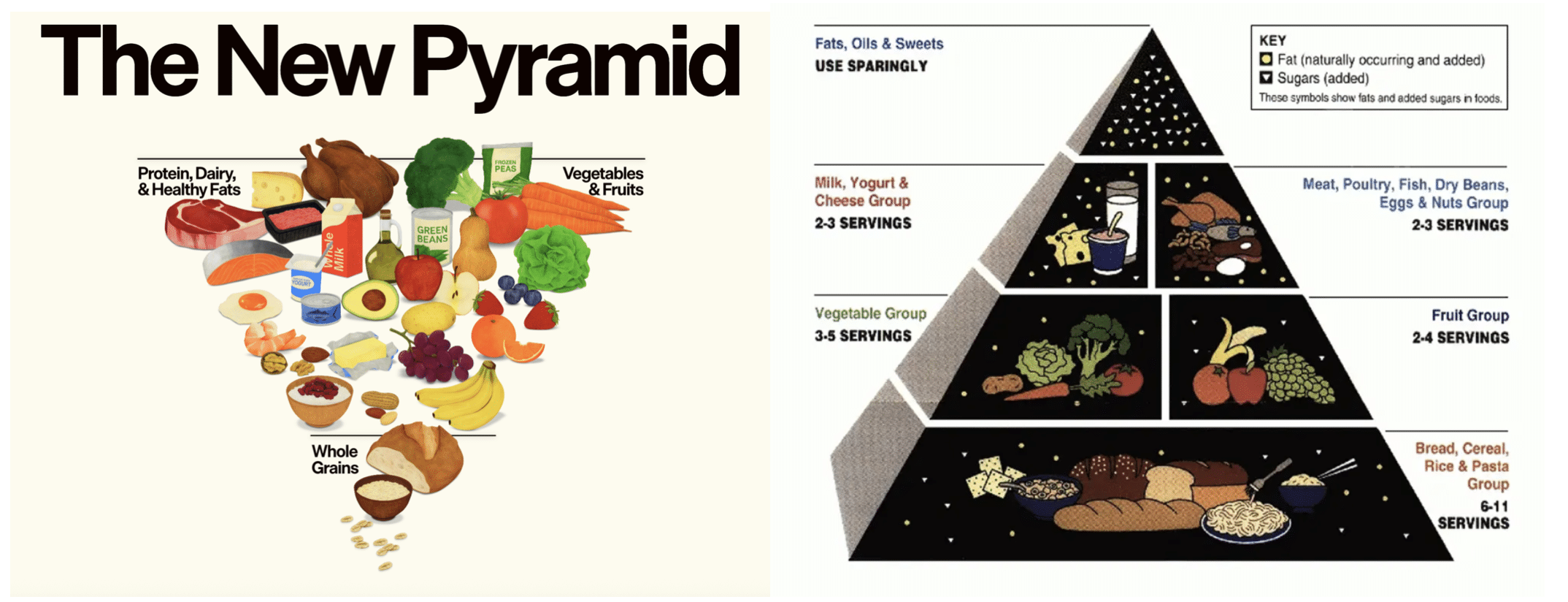
New dietary guidelines announced by the U.S. Department of Agriculture (USDA) are causing confusion and concern among schools in the Chicago area. Released on January 7 as part of the Eat Real Food campaign, the guidelines drastically shift from the 1992 food pyramid, emphasizing meat, whole milk, and reduction of processed foods and added sugars.
Read More
U.S. Health and Human Services Secretary Robert F. Kennedy Jr. and USDA Secretary Brooke Rollins framed the updates as a departure from long-held, misguided nutrition advice. The new guidelines focus on increased protein intake and full-fat dairy options. However, concerns have arisen about the potential impact on school nutrition programs.
Kate Mason-Schultz, nutrition services coordinator at Evanston/Skokie School District 65, expressed worries about the financial implications of cooking from scratch, which requires more time, skilled labor, and often more expensive ingredients. Daylan Dufelmeier, the director of the Chicago Partnership for Health Promotion, predicts that schools may increase offerings of breakfast meats such as bacon and sausage to meet the new protein requirements, raising concerns about the quality of protein served.
Diane Pratt-Heavner, director of media relations at the School Nutrition Association, highlighted that many partner schools are apprehensive about the costs associated with enhancing protein offerings in meals.
Additionally, the USDA's previous regulations limiting schools to fat-free and low-fat milk may change due to the Whole Milk for Healthy Kids Act of 2025, signed into law on January 14, allowing schools to serve whole milk again.
The new guidelines advocate for whole foods with minimal sugar, preservatives, and artificial flavors while discouraging items like white bread and cereals. However, Dufelmeier noted that the shorter shelf life of whole foods might lead to increased food waste, despite the health benefits of such foods for children.
Pratt-Heavner acknowledged the difficulties schools face in transitioning to scratch cooking, stating that many institutions rely on pre-prepared meals due to staffing, financial, and equipment limitations.
Congress mandated updates to nutrition standards for schools with the Healthy, Hunger-Free Kids Act of 2010, but no specific regulations based on the new guidelines have been drafted yet, leaving the anticipated changes in school meal programs unclear.
Registered dietitian Kirsten Straughan from the University of Illinois Chicago voiced her concerns about the scientific basis of the new protein and carbohydrate recommendations, especially given that sedentary individuals may not require as much protein as suggested. Meanwhile, the daily carbohydrate allowance has seen a significant reduction.
Straughan also pointed out contradictions in the guidelines, specifically regarding the recommendation to limit saturated fat intake while advising consumption of whole milk, which she argues could worsen health issues in children who are already at risk for heart disease.
Compounding these challenges, cuts to Supplemental Nutrition Assistance Program (SNAP) benefits may lead to greater food insecurity among students. According to the Greater Chicago Food Depository, approximately one in four children in the Chicago area are food insecure, with significant impacts on their ability to learn. Straughan emphasized the need for increased resources to truly support children’s health.