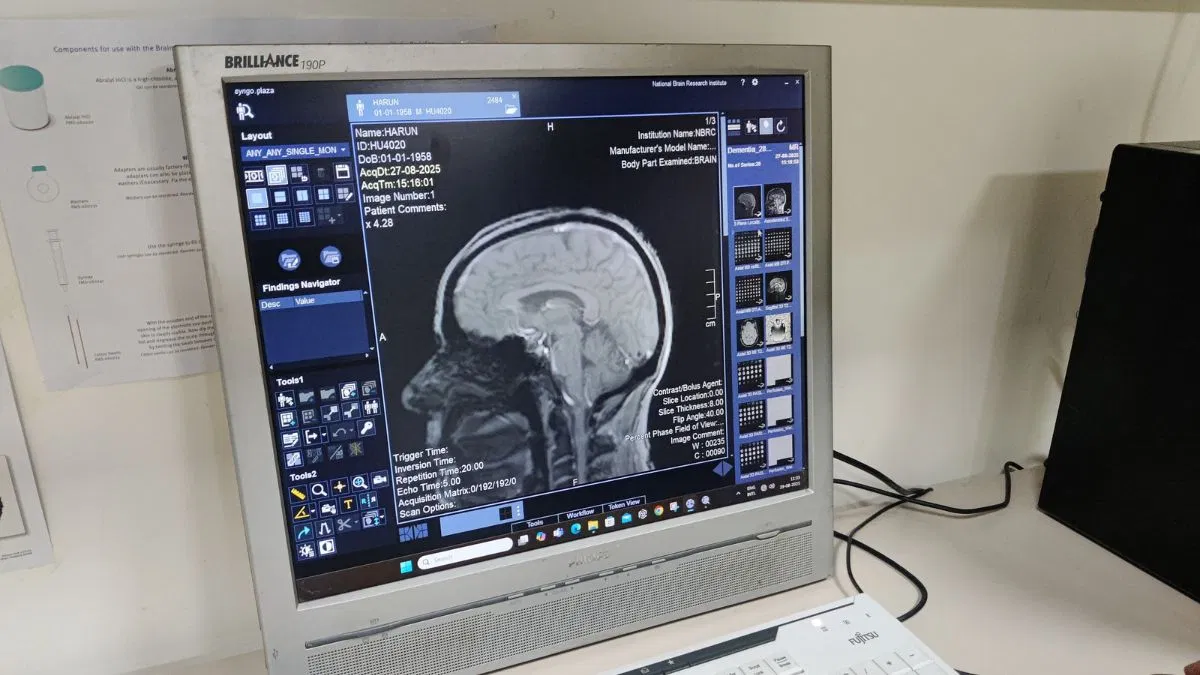
A study has indicated that vagus nerve stimulation may offer lasting relief for individuals suffering from severe treatment-resistant depression. Researchers used a small implanted device, akin to a pacemaker, to deliver electrical pulses to the left vagus nerve located in the neck, which plays a significant role in connecting the brain to vital organs.
Read More
The findings were published in the International Journal of Neuropsychopharmacology in January as part of the ‘RECOVER’ study, which involved 493 participants with depression unresponsive to medications or other treatments. Only half of these participants had their stimulation devices activated during the first year of the study.
Charles R Conway, a psychiatry professor at WashU Medicine and the trial's principal investigator, emphasized the severity of the patients' conditions, stating that on average, each had previously attempted 13 unsuccessful treatments and had endured depression for over half their lives.
The recent report from the RECOVER trial focused on 214 participants who received active stimulation from the outset and were followed for two years. Approximately 69 percent of these individuals demonstrated significant improvement in at least one treatment measure after a year, with 80 percent of those who improved maintaining their progress at the two-year follow-up. Conway noted that these improvements could be life-changing for patients, who often feel