Mental health issues are increasingly prevalent among college students, with nearly 70 percent reporting concerns in the past year. In 2024-25, 37 percent of students screened positive for moderate to severe depressive symptoms, while 33 percent reported moderate to severe anxiety. The intense pressure of academic life, particularly in competitive environments, exacerbates these challenges.
Read More
Despite the availability of mental health resources, many students hesitate to seek help due to persistent stigmas. Therapy is often viewed with skepticism, seen as necessary only for those with extreme difficulties. This perception undermines the range of benefits therapy can offer, which can help not just those diagnosed with mental illnesses but anyone facing daily stress. Organizations like the Mayo Clinic highlight that therapy can be as crucial for one’s well-being as routine medical care.
Similarly, psychiatric medications are surrounded by fear and misinformation. Some proponents of the Make America Healthy Again movement dismiss medication as a quick fix rather than addressing underlying issues. This narrative can deter those who might benefit from medication by implying that reliance on it signifies personal failure. Just as individuals do not avoid glasses or contacts for nearsightedness, psychiatric medication should not be viewed negatively. While skepticism can be healthy, it should come from informed sources rather than self-proclaimed experts.
In a college culture that values productivity and perfectionism, discussing mental health might seem inappropriate. However, this “grind-set” can intensify stigmas and hinder students from seeking needed help. Self-care and mental health maintenance are essential, although often undervalued amid busy schedules.
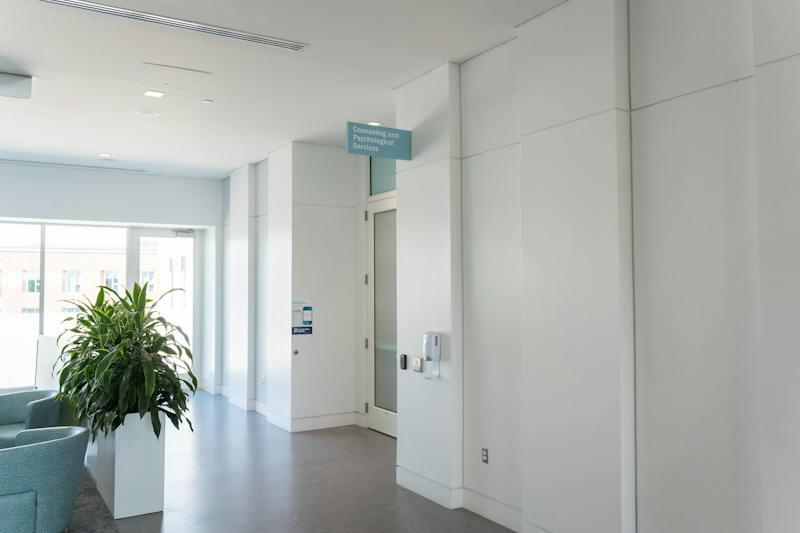
The University offers various free resources for mental health support. Counseling and Psychological Services (CAPS) provides individual and group therapy as well as psychiatric consultations and potential medication prescriptions. To combat financial barriers, CAPS includes clinical care managers to assist with navigating health insurance or referrals to external providers.
The Maxine Platzer Lynn Women’s Center also contributes to mental health support through psychotherapy, wellness workshops, and dedicated wellness spaces. Notably, the center welcomes everyone, not just women. Additionally, Well-Being Coaching offers a low-pressure environment for students to discuss stressors casually.
While this overview does not cover every mental health resource available, it underscores the importance of considering these services. Students are encouraged to explore options that could enhance their mental well-being, even during the hustle of college life. Zehra Hasnain is an opinion columnist who writes about politics for The Cavalier Daily. She can be reached at [email protected]. The opinions expressed in this column are not necessarily those of The Cavalier Daily.