A recent study published in the European Journal of Marketing offers fresh insights into consumer spending, particularly challenging the concept of "retail therapy." Traditionally, many have viewed shopping as a means to improve mood through immediate gratification, such as buying clothing or luxury items after a tough day.
Read More
However, the research from Clemson University's associate professor Anastasia Thyroff and her collaborator Matthew Hawkins from Université Bourgogne Europe suggests that while such purchases may provide temporary relief, they might not contribute to lasting happiness.
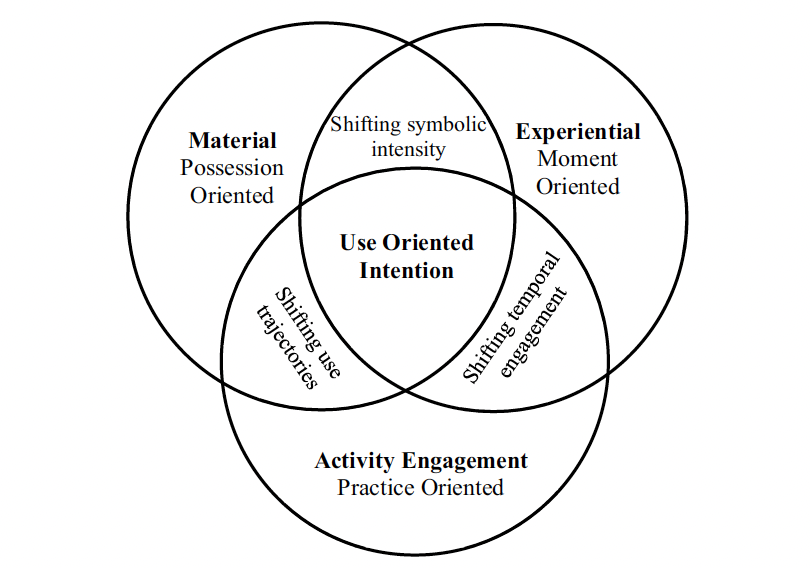
Rather than simply debating the merits of purchasing material goods versus experiences, Thyroff and Hawkins introduce a new category: activity engagement purchases. These are acquisitions intended to support meaningful activities over time, such as purchasing a musical instrument for practice or enrolling in a course to learn new skills.
Thyroff explained that the conventional marketing perspective has typically divided purchases into tangible goods and experiential ones. This research shifts that focus toward the intention behind the purchase. For example, buying running shoes can serve not only as a material possession but also as an investment in a personal running journey or commitment.
Across six studies involving a range of participants, the researchers found that activity engagement purchases consistently yielded higher levels of happiness compared to both traditional goods and experiential purchases. Participants reported their feelings regarding different acquisitions, with results indicating that purchases linked to ongoing activities offered the greatest satisfaction.
The core distinction between these types of purchases lies in their psychological effects. Unlike retail therapy, which can offer a fleeting emotional boost, activity engagement purchases fulfill a fundamental human desire for competency and personal growth.
Thyroff pointed out that this research builds on existing theories regarding happiness, emphasizing the importance of personal development alongside immediate pleasure. It suggests that spending on hobbies or training programs may lead to deeper satisfaction than ephemeral purchases meant to enhance daily mood.
The study's implications extend to consumer behavior and marketing strategies. Companies are encouraged to frame their products as enablers of long-term growth and fulfillment, rather than mere sources of momentary joy.
The findings invite consumers to reconsider their spending habits, focusing on purchases that support meaningful and sustained engagement. This perspective posits that true happiness may derive from activities that incorporate personal value over time, rather than one-time indulgences.
Overall, the research reframes the narrative about consumer happiness, suggesting that while retail therapy can alleviate stress temporarily, enduring well-being is more closely tied to purchases that foster ongoing engagement and personal development.