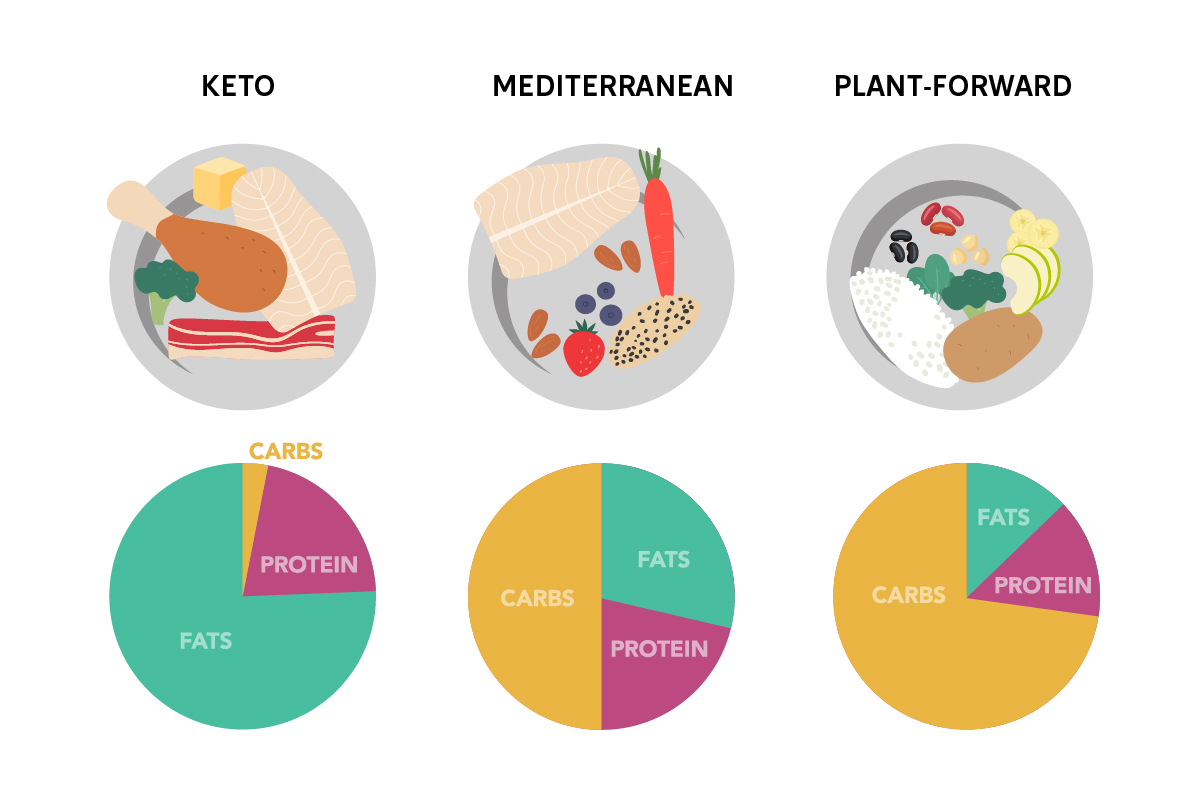
A randomized clinical trial from Washington University School of Medicine in St. Louis has revealed that not all diet plans lead to the same health benefits beyond weight loss for individuals with obesity. The study, published on August 27 in Cell Metabolism, compared three popular diets among adults with obesity and elevated blood sugar who also had fat accumulation in the liver, a significant risk factor for diabetes.
Read More
The research found that while weight loss improved metabolic health across all three diets— a ketogenic diet, a high-carbohydrate plant-forward diet, and a Mediterranean diet— the ketogenic diet showed additional advantages for liver health and blood sugar control. Samuel Klein, MD, the study’s senior author and Danforth Professor of Medicine and Nutritional Science at WashU Medicine, stated that a very low-carbohydrate diet offers further therapeutic effects on glucose and lipid metabolism beyond weight loss alone.
Obesity impacts nearly 40% of Americans, often accompanied by risks such as insulin resistance and fatty liver disease, which can lead to Type 2 diabetes and other severe conditions if untreated. Given the unclear consensus on which diet optimally improves metabolic health, the study aimed to address this question.
Fifty-five adults with metabolically unhealthy obesity participated in the trial, following one of the assigned diets for approximately five months. All participants received their meals from the study and met weekly with a dietitian for support. Despite the differing diet compositions, participants lost about 10% of their body weight, with similar increases in insulin sensitivity in muscle cells across all groups.
However, liver health outcomes differed significantly. The ketogenic diet enhanced insulin sensitivity in liver cells by two to three times compared to the other diets and led to a 67% reduction in liver fat, whereas the other diets resulted in a 45% reduction. The ketogenic diet also demonstrated a 20% decrease in 24-hour blood glucose levels compared to just 8% in the other diets, and blood insulin levels decreased by 74% on the ketogenic diet versus 44% and 27% on the Mediterranean and high-carbohydrate diets, respectively.
The study noted that half of the participants on the ketogenic diet reversed their prediabetes status, significantly higher than the rates for those on the Mediterranean (29%) and high-carbohydrate diets (7%).
Petersen, the first author of the study, emphasized that weight loss is beneficial for those with metabolic issues, but diet choice is also crucial for specific health outcomes. Future research will explore the mechanisms behind the metabolic benefits of weight loss, including the impact of GLP-1 medications. Abeeha Shamshad contributed to this story.