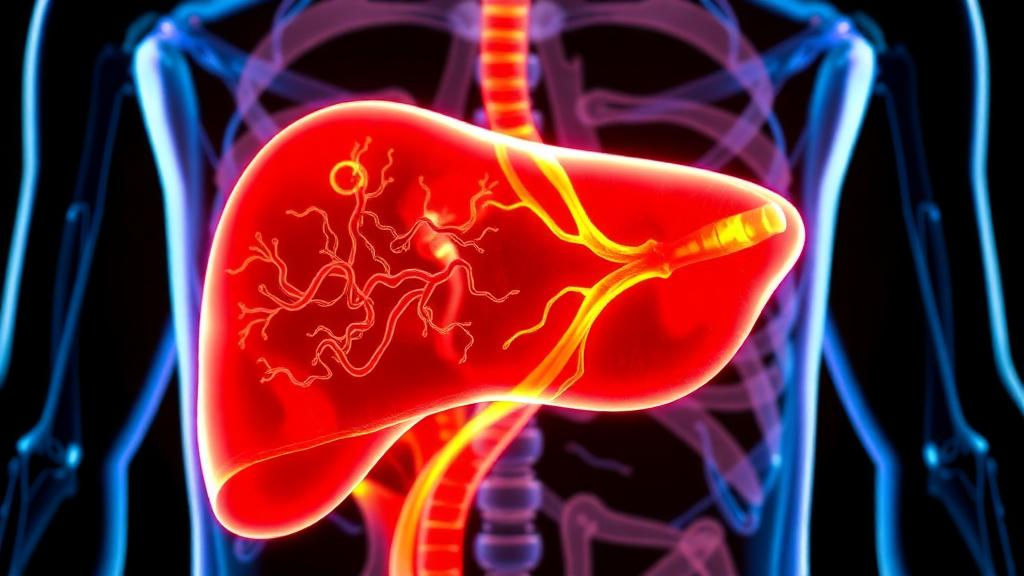
A recent study from King’s College Hospital London in Dubai investigates the relationship between vitamin D deficiency and liver scarring in adults with metabolic dysfunction-associated steatotic liver disease (MASLD). Published in BMC Endocrine Disorders, the research included 301 patients and found that nearly 70% were deficient in vitamin D. Those with deficiencies experienced more severe fibrosis and advanced fatty liver changes; however, once adjusted for various factors, vitamin D deficiency was not an independent predictor of significant liver scarring.
Read More
MASLD, which was previously termed non-alcoholic fatty liver disease, has become the most common chronic liver condition globally, often linked to metabolic disorders like obesity and insulin resistance. While fat accumulation can remain benign in many cases, it can lead to inflammation and scarring, which significantly affect patient outcomes. Identifying factors that could influence the progression of fibrosis is critical, and vitamin D has long been suspected of playing a role.
The hypothesis regarding vitamin D’s involvement stems from its receptor being present on hepatic stellate cells, which produce scar tissue. Some studies suggest that activated vitamin D could inhibit the fibrogenic processes that lead to liver scarring, while vitamin D deficiency is common in individuals with metabolic disorders due to factors like fat storage, reduced sun exposure, and inadequate dietary intake. This deficiency is particularly prevalent in Middle Eastern populations despite high sunshine availability.
To explore this association, researchers employed transient elastography, a non-invasive imaging method that measures liver stiffness. This technique provided insights into both fibrosis and fat content without the need for traditional liver biopsy. Of the participants, roughly 81% had no or mild fibrosis, about 15% exhibited significant fibrosis at stage F2, and under 1% had cirrhosis. However, vitamin D deficiency was still notably high at nearly 70% of the cohort, a striking figure for a sun-rich region.
Statistical analysis showed a strong correlation between vitamin D levels and liver disease severity, with significant associations reported for overall metabolic syndrome rather than individual components such as body mass index or diabetes. Yet when assessing vitamin D deficiency as a predictor of fibrosis while accounting for various factors, the results indicated it did not provide additional predictive value.
For every additional year of age, the risk of significant fibrosis increased by 5%, and males were more than six times as likely as females to develop clinically significant fibrosis. This study underscores the need to re-evaluate the role of vitamin D in liver disease. It suggests that while vitamin D deficiency might serve as an indicator of broader metabolic issues, correcting the deficiency alone may not influence the progression of liver scarring.
The authors note that the study's design does not establish causation, calling for further prospective research to determine if vitamin D has a genuine impact on disease progression. Until such studies are conducted, the current message for clinicians is to recognize the high prevalence of vitamin D deficiency in MASLD patients while considering it in the context of overall metabolic health.
The study provides both reassurance and guidance for the millions with MASLD, indicating that the majority do not have severe fibrosis, thus allowing for timely intervention. It emphasizes the utility of transient elastography as a viable tool for assessing liver health in a region where both vitamin D deficiency and fatty liver diseases are widespread.