Anxiety and stress are common in American life, with around 75% of adults reporting physical or emotional symptoms tied to poor mental health. Chronic stress worsens conditions like heart disease and high blood pressure and can make it harder to get the recommended 7-9 hours of sleep necessary for good health. High anxiety can lead to spikes in blood pressure, raising the risk of heart attacks or strokes, as well as depression. Engaging in hobbies is a healthy way to lower levels of the stress hormone cortisol, according to researchers at Utah State University, who emphasize the importance of pursuing activities that individuals find meaningful and enjoyable.
Read More
Creative projects, regardless of their form, have been shown to decrease stress. A 2016 study from Drexel University found that participating in a 45-minute art session can lower cortisol levels. Mental Health America notes that creating art—such as painting, drawing, or crafting—helps individuals process emotions and alleviate persistent thoughts. Writing, even for just two minutes a day, can significantly reduce stress. Michael Smith, an associate professor of psychology at Northumbria University, highlights that journaling can help organize thoughts and express underlying emotions, relieving some of the anxiety burden.
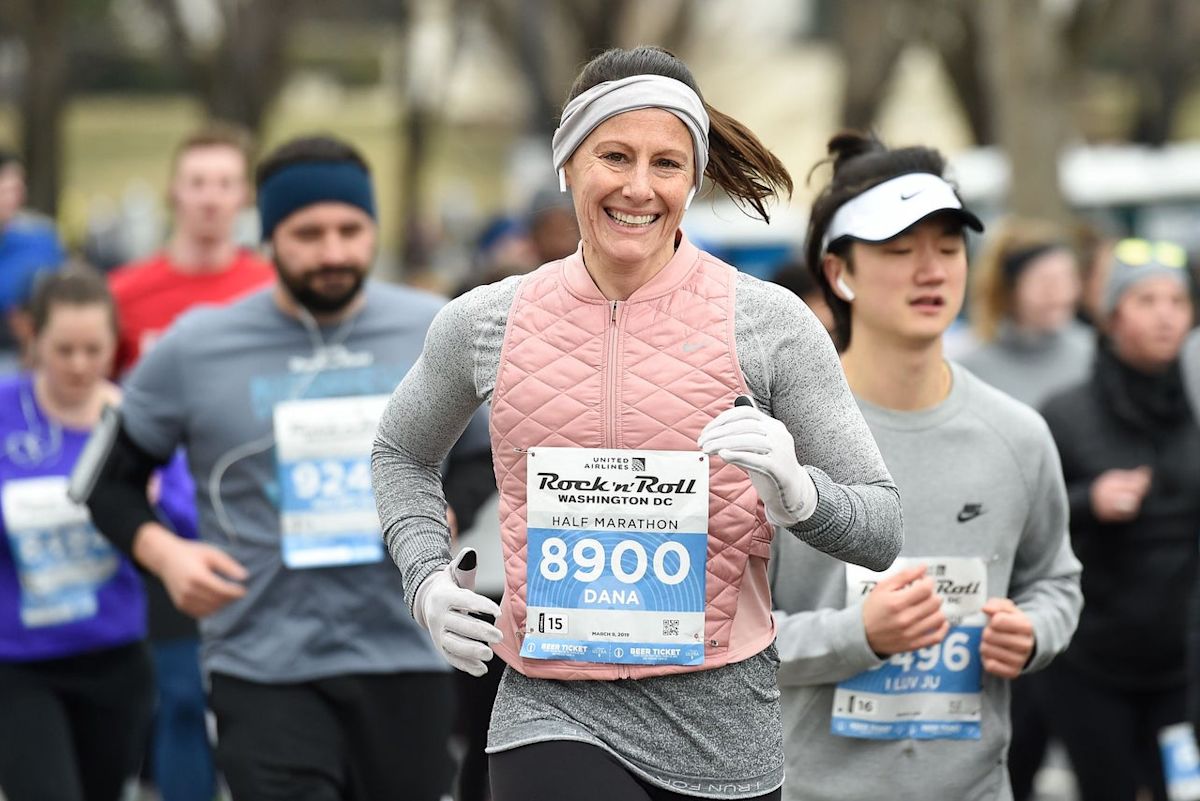
Physical activities are also effective in reducing stress and anxiety. Johns Hopkins Medicine explains that exercise, including running, boosts endorphin levels in the brain, which enhances mood and mitigates pain. Recent studies from Japan suggest that just a 10-minute jog can alleviate anxiety and stress by lowering inflammation in the body, which is known to worsen these feelings. Dancing similarly produces dopamine and endorphins, with a 2021 survey revealing that 95% of dancers with histories of anxiety or stress reported therapeutic benefits.
Gardening is another moderate activity that relieves stress through its repetitive movements and caring for living things. Studies indicate that those who garden report higher well-being compared to those who do not, with the presence of plants in a home linked to lower blood pressure and improved mental health, according to the University of California.
Cooking can also provide mental relief. A 2022 study of 650 individuals who took a cooking course found that 8% of participants exhibited improved mental health scores afterward. Cooking can enhance self-confidence and promote healthier eating, which helps to reduce stress, as noted by Australia's Edith Cowan University. Similarly, knitting involves repetitive movements that can lower blood pressure and cortisol levels, according to UCLA.
Finally, reading is a well-documented escape from daily stressors. Research from The Queen's Reading Room indicates that just five minutes of reading can reduce stress by nearly 20%, while also improving concentration and focus.