A study led by researchers at the USC Leonard Davis School of Gerontology suggests that a Mediterranean-style diet may influence aging through an unexpected pathway involving tiny proteins produced in mitochondria. While mitochondria are primarily known for generating energy in cells, they also release chemical signals that impact metabolism, inflammation, stress responses, and aging.
Read More
The research found that older adults adhering closely to a Mediterranean diet had elevated blood levels of two mitochondrial microproteins, humanin and SHMOOSE. Both proteins have been associated with protection against cardiovascular disease and neurodegeneration, which includes the decline of nerve cell function linked to conditions like Alzheimer's disease.
Roberto Vicinanza, an instructional associate professor of gerontology at USC and the study's lead researcher, remarked that these microproteins might serve as molecular messengers conveying how diet influences cellular function and aging. He noted this represents a new biological pathway elucidating the Mediterranean diet's health benefits.
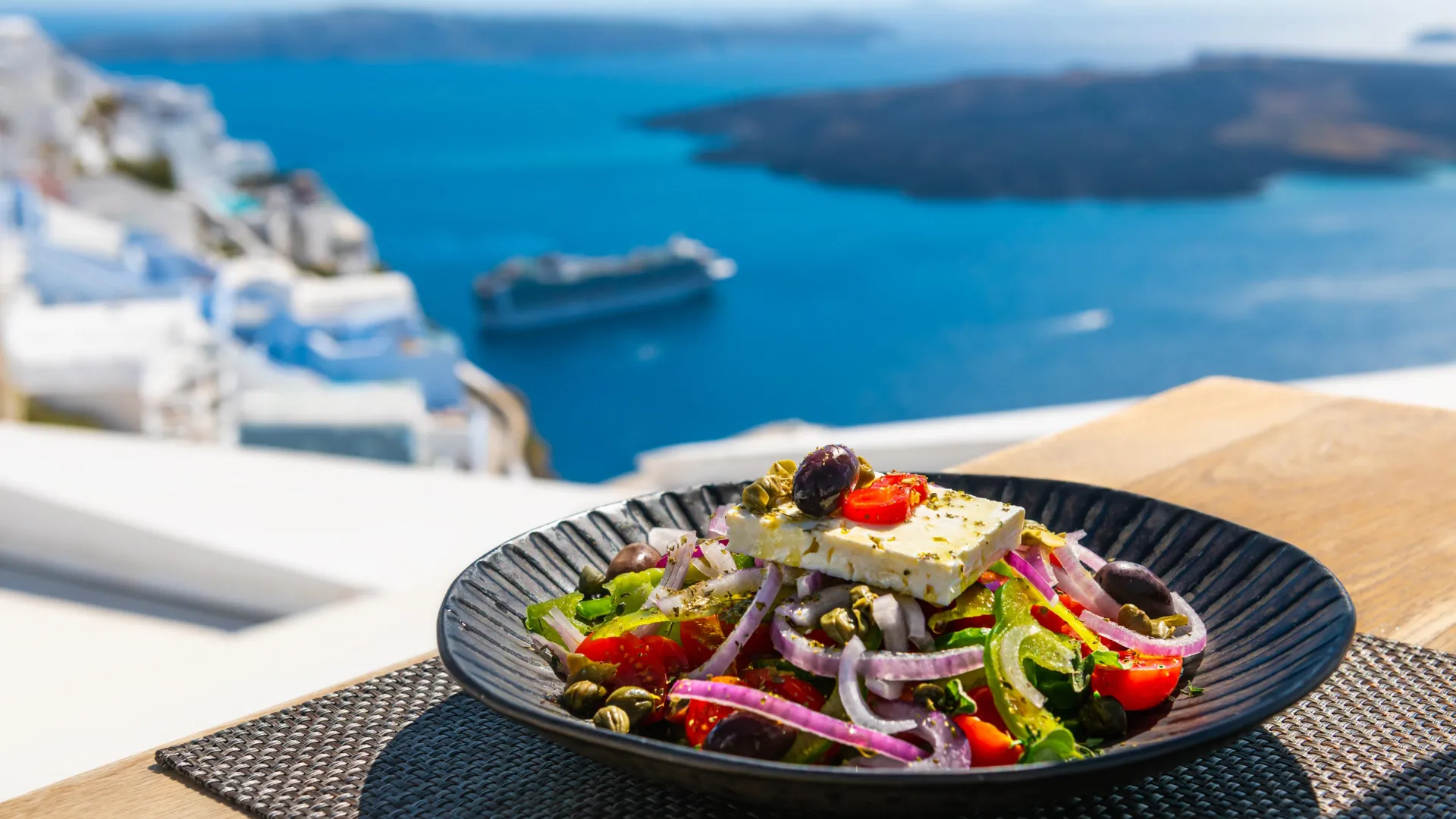
The Mediterranean diet emphasizes foods such as olive oil, fish, legumes, fruits, vegetables, whole grains, and other minimally processed items while limiting refined carbohydrates and heavily processed foods. Past research has consistently linked this diet to a reduced risk of cardiovascular disease, type 2 diabetes, cognitive decline, and early mortality.
In this study, the team analyzed blood samples from older adults with varying degrees of adherence to the Mediterranean diet. Those with the highest adherence exhibited significantly greater concentrations of humanin and SHMOOSE and showed lower levels of oxidative stress—the cellular damage caused by unstable molecules called reactive oxygen species.
Notable components of the diet associated with increased levels of humanin included higher consumption of olive oil, fish, and legumes. A lower intake of refined carbohydrates was linked to higher levels of SHMOOSE. Refined carbohydrates, which include foods like white bread and sugary products, can lead to rapid increases in blood sugar.
Pinchas Cohen, dean of the USC Leonard Davis School and a senior author of the study, stated that specific elements of the Mediterranean diet may directly affect mitochondrial health, with humanin and SHMOOSE potentially serving as biomarkers for diet adherence.
Humanin and SHMOOSE are derived from small sections of mitochondrial DNA, previously thought inactive but now recognized for producing microproteins. Humanin has been extensively studied since its identification in 2003, revealing connections to improved insulin sensitivity, cardiovascular health, longevity, and cognitive preservation. SHMOOSE has been linked to brain health, with certain variants associated with an increased risk of Alzheimer's disease while the common form appears protective against amyloid damage in neurons.
The study also highlighted a potential connection between humanin and Nox2, an enzyme that produces reactive oxygen species. Increased levels of humanin correlated with reduced Nox2 activity, suggesting it might mitigate oxidative damage and provide cardiovascular protection.
Vicinanza has sought to promote the Mediterranean diet as a model for health and sustainability, collaborating with the Municipality of Pollica in Italy—a UNESCO-recognized community—to establish an International Day of the Mediterranean Diet, to be observed annually on November 16, aiming to raise global awareness of its health and cultural significance.
Although the study's observational nature limits direct causation conclusions, its findings point to a developing field of precision nutrition, which aims to create personalized dietary recommendations based on biological measurements. Future research may explore whether dietary changes can directly increase levels of these microproteins and thus influence disease risk.
The study, titled "Mediterranean diet adherence is associated with mitochondrial microproteins Humanin and SHMOOSE; potential role of the Humanin-Nox2 interaction in cardioprotection," was published on March 9, 2026, in Frontiers in Nutrition. The research was funded by various grants, including the USC Daryl and Irwin Simon Nutrition for Alzheimer's Disease Prevention Research Fund.