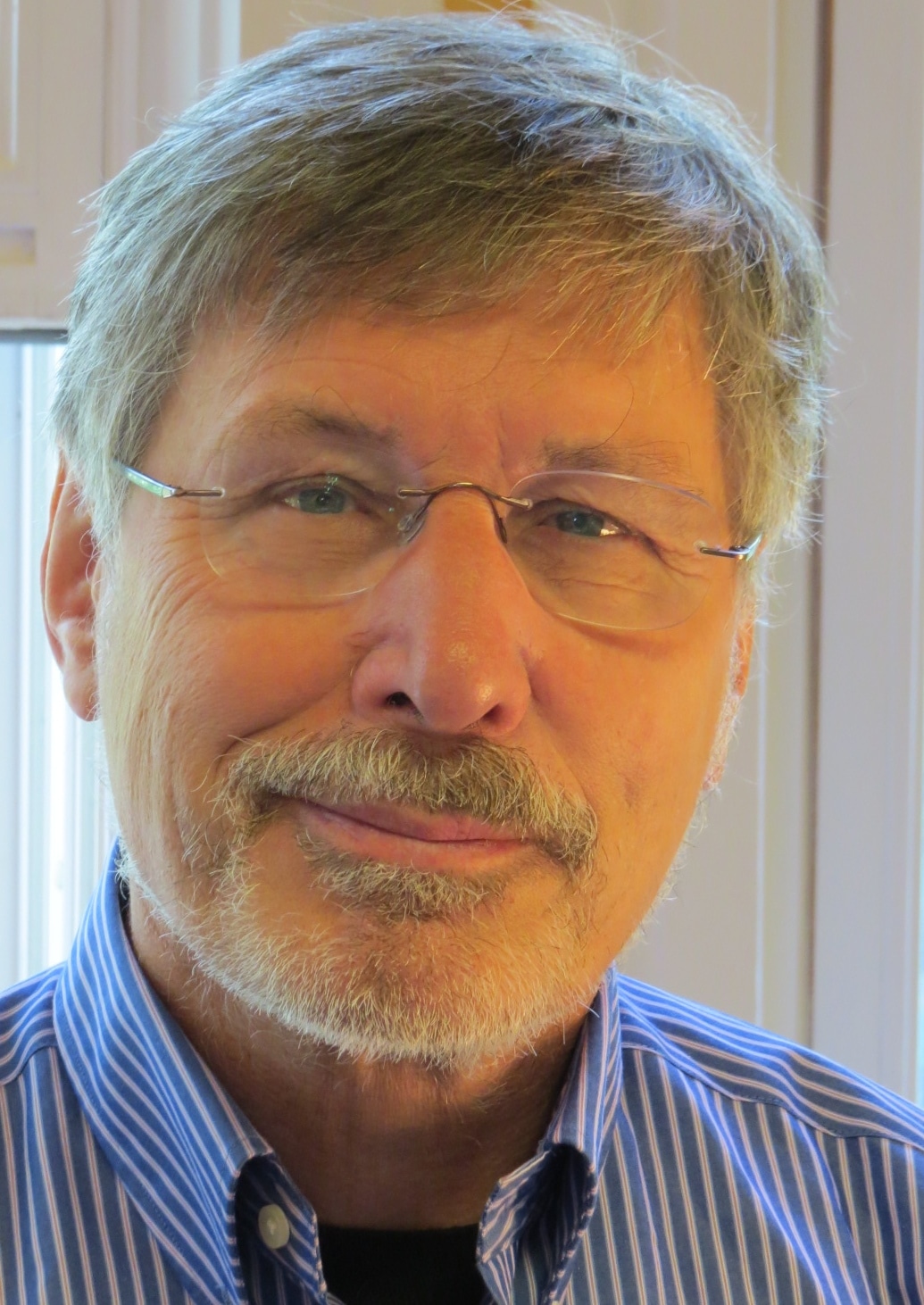
Bessel van der Kolk, a leading figure in trauma recovery, is the medical director and founder of the Trauma Center at the Justice Resource Institute, as well as a professor of psychiatry at Boston University School of Medicine. His recent book, "The Body Keeps The Score: Brain, Mind, and Body in the Healing of Trauma,” has garnered acclaim from notable figures such as Jon Kabat-Zinn and Judith Herman, who described it as a blend of scientific curiosity and scholarly depth.
Read More
In an interview, van der Kolk emphasized that talk therapy often fails to adequately address trauma because it primarily targets the cognitive aspects of the mind. He explained that trauma impacts the survival areas of the brain, causing disturbances in automatic responses to danger. He noted that while discussing trauma can validate experiences, it does not sufficiently reach the more primitive parts of the brain affected by trauma.
When discussing the differences between his methods and those of Edna Foa, who utilizes prolonged exposure therapy, van der Kolk acknowledged the potential benefits of perspective gained from conversation. However, he pointed out that trauma responses extend beyond memory into profound physiological changes. He indicated that comprehensive recovery requires addressing sensory processing and emotional regulation rather than solely focusing on revising memories.
Van der Kolk is a strong advocate for body-oriented therapies such as yoga and EMDR (Eye Movement Desensitization and Reprocessing), both of which target the somatic components of experiencing trauma. He cited his center's NIMH-funded study on EMDR, which showed positive outcomes in adult PTSD patients, although effects were less pronounced in children within the study's brief duration.
In discussing the limitations of Cognitive Behavioral Therapy (CBT) for addressing the emotional roots of trauma, van der Kolk argued that such therapies might inadvertently inhibit full recovery by re-traumatizing individuals. He referred to the VA's use of prolonged exposure therapy as potentially harmful, leading to dropout rates among veterans.
Van der Kolk also expressed frustration over misconceptions propagated in popular media, emphasizing that discussions about memory in trauma often overlook vital social and cultural dimensions inherent in human experiences. He pointed out that understanding trauma's complex nature requires a more nuanced approach than what is often reported.
Further emphasizing the importance of somatic awareness, he highlighted that many therapists need to cultivate their ability to facilitate a sense of safety in their patients. He suggested that some therapists might become too fixated on their methods instead of remaining flexible to the needs of their patients.
In an ongoing effort to improve the landscape of trauma treatment, van der Kolk has pursued the inclusion of Complex PTSD and Developmental Trauma Disorder in the DSM-5 to better serve those affected by varied traumatic experiences. He noted that this shift could help redefine treatment goals toward fostering safety and agency rather than relying on outdated labels.
As a prominent researcher and educator, van der Kolk continues to advocate for progressive trauma treatments while engaging in clinical practice, balancing his administrative duties with direct patient contact, underscoring the continuous growth and learning inherent in both practice and research. His insights reflect an evolving understanding of trauma's intricate interplay with the body and mind, aiming to create therapeutic pathways that recognize and affirm patients’ experiences.