April 13, 2026
Read More
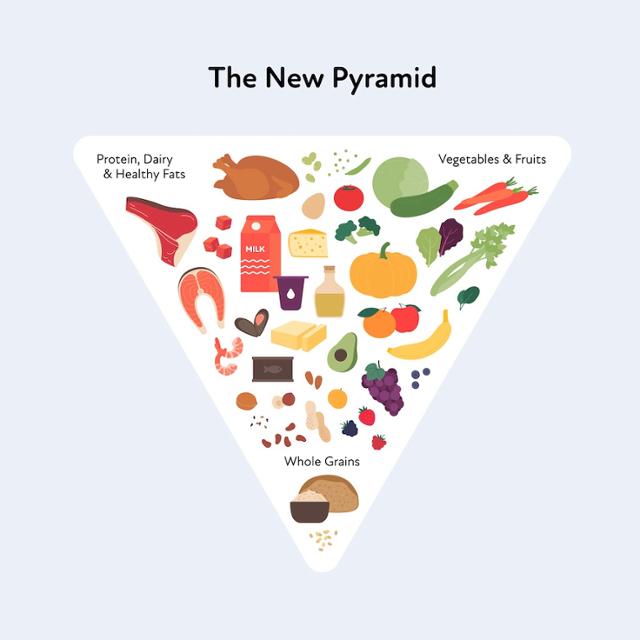
Samantha Davis, a professor of professional practice in nutritional sciences at TCU, has raised concerns about the clarity and implications of the recently released 2025-2030 Dietary Guidelines for Americans. While the guidelines advocate for an increased intake of whole foods and a reduction in processed foods and sugars, Davis argues that there are significant gaps between scientific recommendations and public messaging.
“These guidelines influence much more than individual dietary choices; they affect what is served in schools, childcare programs, and federal nutrition programs across the country,” Davis stated, emphasizing the necessity for aligning guidelines with scientific evidence.
The urgency of revisiting these recommendations is underscored by alarming public health statistics: over 70% of American adults are overweight or obese, and nearly one in three adolescents is facing prediabetes. Furthermore, almost 90% of healthcare spending is tied to chronic diseases, indicating a critical need for effective nutrition guidance.
Davis pointed out discrepancies within the guidelines regarding saturated fat intake. While the recommendations suggest limiting saturated fats to 10% of daily caloric intake, following the serving suggestions—particularly for animal proteins and full-fat dairy—can lead to an intake closer to 20%. She warned that this inconsistency could pose risks to cardiovascular health, as higher saturated fat consumption is linked to elevated LDL cholesterol levels.
In terms of protein, the updated guidelines have significantly increased protein intake recommendations, despite protein deficiency not being a widespread issue in the U.S. “The notion that more protein automatically leads to more muscle is a misconception,” Davis explained, noting that exercise is essential for muscle growth, while protein primarily aids in maintenance and repair.
Davis also highlighted the need for clarity in guidance regarding fats. The guidelines encourage the incorporation of “healthy fats,” but the distinctions between fat types can be unclear. “If we want to tackle obesity on a population level, we need to understand the sources of our calories,” she stated.
Davis cautioned that public nutrition guidance is often boiled down to simplified messages, which can lead to confusion. “People quickly remember what they see and hear; if those messages are inconsistent, it can create misunderstandings.”
Her overall advice remains consistent: prioritize whole, minimally processed foods and maintain a long-term perspective on health rather than chasing trends. Davis’ insights were also shared in Fort Worth Weekly, expanding the dialogue on how national nutrition policies impact daily life.