The microbiome, often referred to as the "hidden organ," plays a crucial role in both health and disease. Advances in high-throughput DNA sequencing technologies have led to numerous studies detailing the connections between human organs and their respective microbiomes. Among these factors, diet and nutrition significantly influence the composition, diversity, and functionality of the microbiome.
Read More
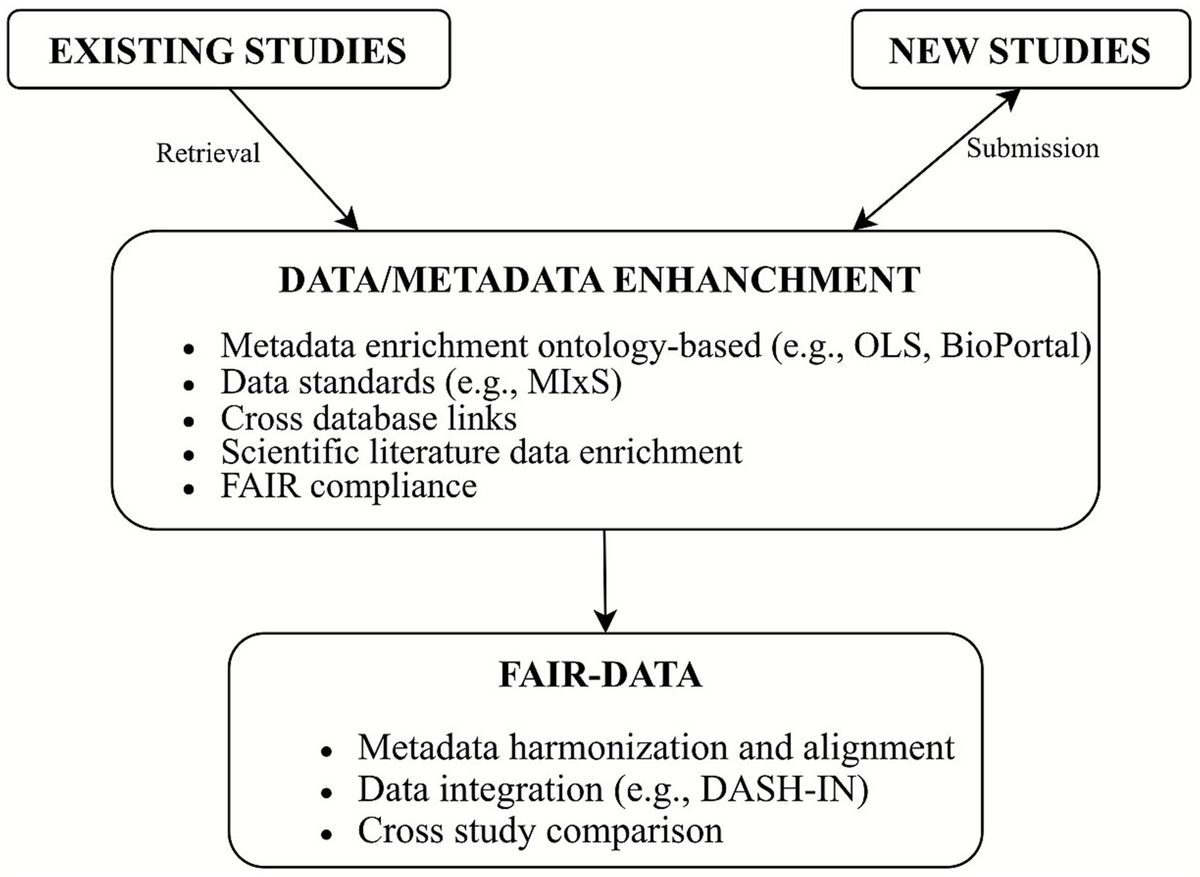
Recent reviews highlight that microbiome-related data and metadata are often dispersed across various databases with inconsistent curation and annotation. This fragmentation can hinder comprehensive data discovery, reuse, and alignment. Adopting the FAIR principles—Findable, Accessible, Interoperable, and Reusable—could enhance collaborative scientific efforts and spur microbiome-targeted therapeutic developments. Implementing advanced data mining technologies and comprehensive ontologies can improve the integration and enrichment of microbiome-related data associated with health and nutrition.
The human microbiota, an essential ecosystem, interacts with nearly all aspects of human physiology. Research has increasingly linked the microbiome to mental and physical well-being, significantly via the gut-brain axis, which regulates immune and inflammatory responses. Variations in microbial communities, found in different body niches like the skin or lungs, also significantly impact health outcomes.
Despite the extensive research conducted, further investigations are necessary to clarify the relationship between food, microbiome composition, and function. Access to high-quality microbiome data, including DNA and RNA sequences, is vital for advancing scientific studies and integrating nutrition into health assessments. Public databases supporting this data need to adopt sustainable management policies to foster sharing, accessibility, and reusability.
This study evaluates the key features of public databases storing gut microbiome data in relation to general health and food intake. It emphasizes the importance of establishing standards for open science and FAIR data principles while providing recommendations for the effective use and alignment of microbiome datasets across different resources.
The gut microbiome plays a significant role in determining health outcomes, with its state classified into two categories: eubiosis, which supports healthy function and diversity, and dysbiosis, which leads to reduced microbial diversity and various health issues, including diabetes and cancer. Understanding and restoring eubiosis could aid in mitigating these health risks.
With innovations in sequencing technologies, we now have access to extensive microbiome sequence data stored in specialized and primary databases. These databases vary in their levels of data curation and metadata completeness, which are crucial for effective scientific use.
Key examples include the Sequence Read Archive (SRA), the European Nucleotide Archive (ENA), MGnify, and MG-RAST. These platforms offer diverse services for data analysis, yet achieving FAIR compliance remains a challenge due to incomplete metadata.
The discussion highlights the necessity for structured metadata related to diet and health in order to enhance data interoperability and accessibility. Integrating dietary patterns and disease conditions into microbiome studies is essential for understanding the metabolic pathways influenced by microbial communities.
Strategies like linking microbiome datasets to dietary interventions can deepen our understanding of how these communities affect metabolic health. Initiatives like the DASH-IN promote data integration while enabling researchers to annotate metadata with ontological terms, thereby fulfilling FAIR principles.
As the landscape of microbiome data continues to evolve, implementing effective methodologies for the discovery and management of this information is vital. By harnessing modern technologies and data science approaches, the research community can better address the complex relationships between the microbiome, diet, and health.