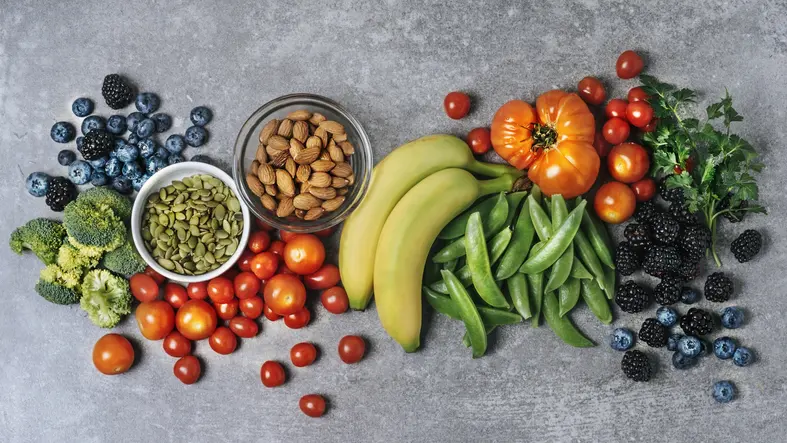
Research published in the Journal of Neurology Neurosurgery & Psychiatry indicates that the Mediterranean and Dietary Approaches to Stop Hypertension diet, known as MIND, may mitigate structural brain changes associated with aging. This diet has been associated with less tissue loss, particularly in grey matter, which is crucial for memory, learning, and decision-making, as well as a reduction in ventricular enlargement reflecting brain atrophy.
Read More
The MIND diet encourages the regular consumption of green leafy vegetables, other vegetables, berries, nuts, whole grains, fish, beans, olive oil, and poultry, with moderate wine intake. It also advises limiting butter, cheese, red meat, pastries, sweets, and fried foods. Although the diet’s impact on age-related structural changes related to neurodegenerative diseases like Alzheimer’s and Parkinson’s is not fully understood, the study sought to explore this connection.
The study involved 1,647 middle-aged and older adults, with an average age of 60, from the Framingham Heart Study Offspring cohort. Participants underwent regular health check-ups from 1999 onwards, including MRI brain scans every 2-6 years. Their dietary intake was assessed through food frequency questionnaires completed between 1991 and 2001.
The average score for adherence to the MIND diet was just under 7 out of a possible 15, with those scoring higher more likely to be women, college-educated, and less likely to smoke or be obese. Generally, they also had fewer health conditions that could negatively impact brain health, such as type 2 diabetes and cardiovascular disease.
Over an average monitoring period of 12 years, MRI scans indicated reductions in total brain size, grey matter, white matter, and hippocampal volumes, along with increased cerebrospinal fluid and ventricular volumes. However, higher MIND diet scores correlated with slower grey matter loss. Each 3-point increase in the MIND score was linked to a decline in grey matter volume at a rate of 0.279 cm³ per year, representing a 20% reduction in age-related decline equivalent to 2.5 years of delayed brain aging.
Similarly, a 3-point increase in score was associated with an 8% slower expansion of total ventricular volume. Key contributors to these beneficial effects included berries and poultry, while higher intake of sweets correlated with faster decline in brain structures and fried foods linked to greater hippocampal atrophy.
Researchers noted that foods rich in antioxidants like berries and high-quality proteins such as poultry might reduce oxidative stress and neuronal damage. Conversely, fried fast foods are believed to contribute to inflammation and vascular damage. Surprisingly, higher whole grain intake was associated with adverse structural changes, while higher cheese consumption corresponded with less reduction in grey matter volume.
The findings suggest that the MIND diet may be particularly beneficial for older adults or those at higher risk of rapid brain aging. The study acknowledges its observational nature, which limits the ability to draw strong causal conclusions and highlights potential biases in dietary reporting. It is also noted that the population studied was predominantly White, potentially limiting the applicability of the findings to other ethnic groups. Nonetheless, the researchers advocate for the MIND diet as a promising strategy for promoting brain health in aging populations.