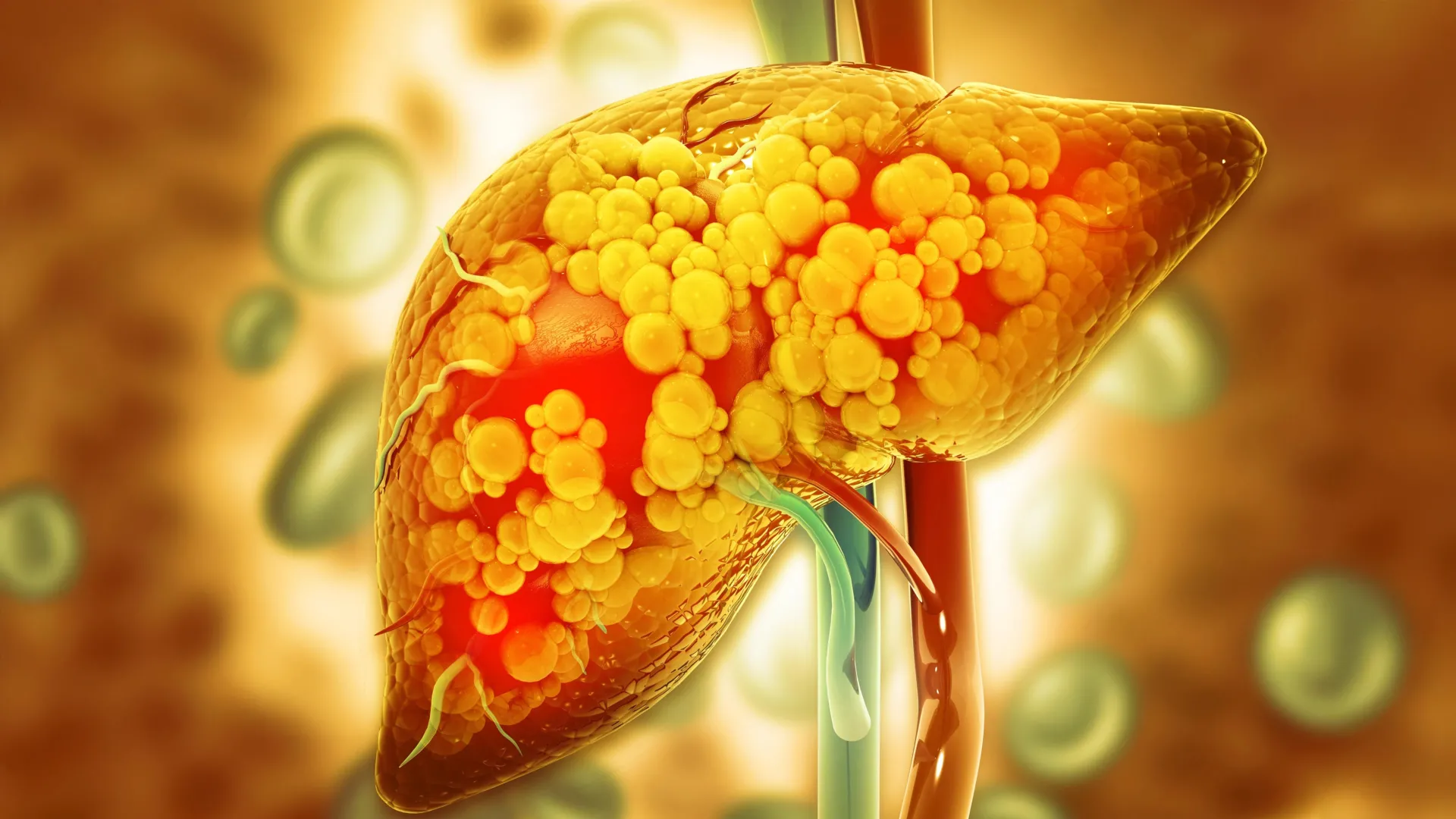
A clinical trial published on August 27 in the journal Cell Metabolism indicates that a very low-carbohydrate, high-fat ketogenic (Keto) diet may offer greater metabolic benefits for individuals with obesity compared to Mediterranean and low-fat diets. The trial found that approximately half of the participants with obesity and prediabetes no longer met the criteria for prediabetes after four to five months on the Keto diet.
Read More
Samuel Klein, the study's corresponding author from Washington University School of Medicine in St. Louis, Missouri, noted that weight loss can enhance metabolic health in obese individuals. He emphasized that for those with high liver fat content and prediabetes, reducing carbohydrate intake could yield significant therapeutic improvements beyond mere weight loss.
In the United States, around 40% of adults are classified as obese, leading to a variety of dietary recommendations including low-fat, low-carbohydrate, and Mediterranean diets. However, it has remained unclear if one diet provides additional metabolic advantages beyond the effects of weight loss itself.
The three diets evaluated in the study differ significantly in their carbohydrate and fat content. A ketogenic diet restricts carbohydrates to as little as 4% of total calories, while a low-fat diet can obtain up to 70% of its energy from carbohydrates. The Mediterranean diet focuses on plant-based foods, healthy fats, and moderate fish and dairy intake.
The study involved 42 participants with obesity, prediabetes, and fatty liver disease, who were randomly assigned to a ketogenic diet, a Mediterranean diet, or a low-fat, plant-forward diet. The research team provided all meals and participants had weekly meetings with a dietitian to assist in adhering to their assigned plans.
The calorie intake was adjusted so that participants across all groups would achieve approximately 10% weight loss within four to five months. By the end of the study, all groups demonstrated significant reductions in body fat and improved insulin sensitivity.
However, the ketogenic diet resulted in the most substantial changes in liver and metabolic health measures. Participants following the Keto diet experienced an average liver fat reduction of 67%, whereas those on the Mediterranean and plant-forward diets saw an average decline of 45%.
Metabolic tracking revealed that the ketogenic group exhibited the highest increases in glucagon, a hormone that aids in reducing liver fat, alongside the most significant decreases in blood insulin levels compared to the other groups. Max Petersen, the study's first author, remarked that it was surprising that participants on the ketogenic diet did not experience increased blood fat or cholesterol levels, despite a higher fat intake.
Furthermore, nearly 50% of those on the ketogenic diet no longer qualified as prediabetic after the intervention, in contrast to 29% of the Mediterranean group and only 7% of the plant-forward group. Petersen added that while GLP-1-based medications have advanced obesity treatment, this research illustrates the added benefits that can come from diet composition as well.