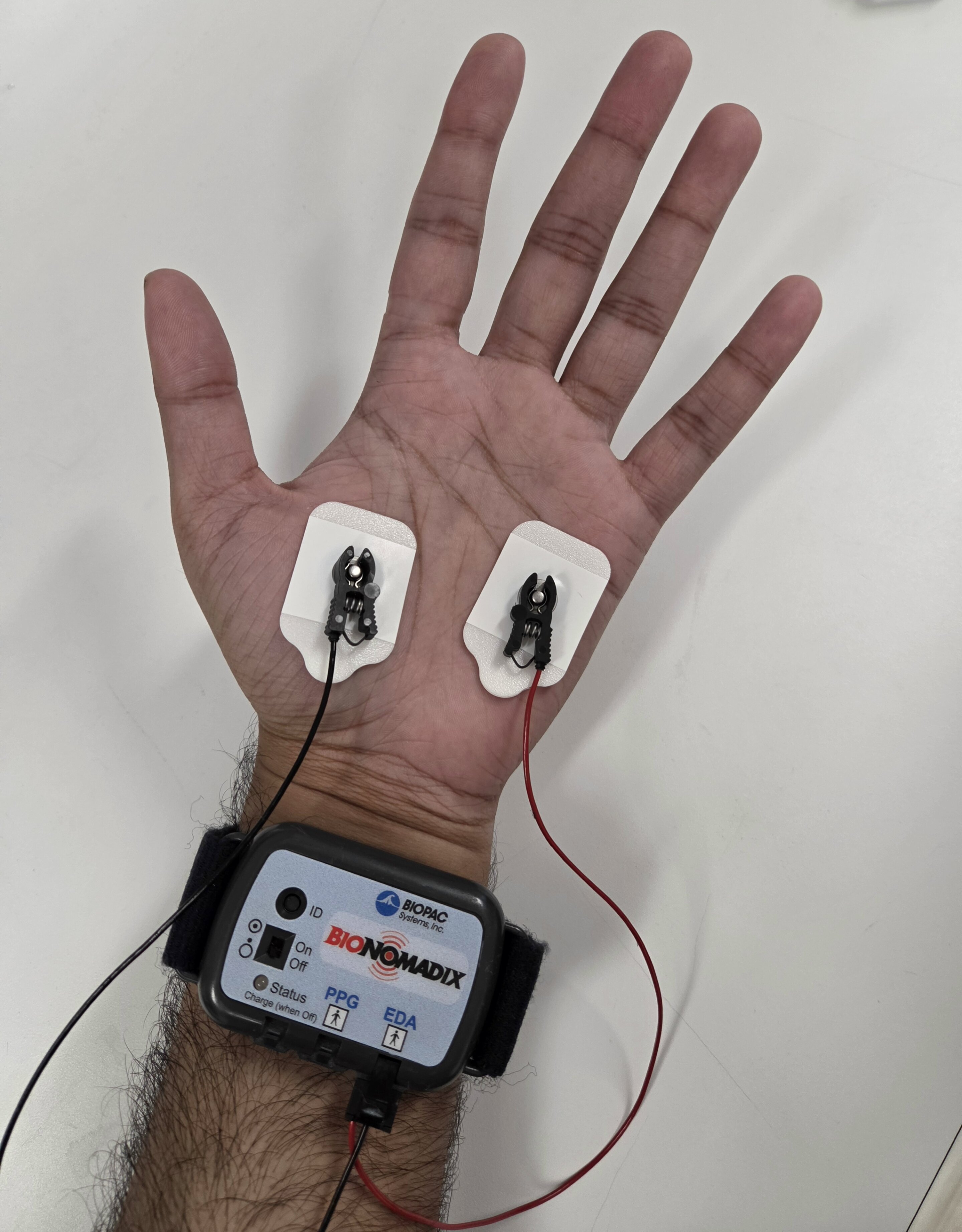
A recent study led by Dr. Rose T. Faghih of New York University Tandon School of Engineering and collaborators from Harvard Medical School highlights a significant distinction in fear and safety responses between adults with insomnia and those without, based on skin conductance measurements. The findings were published in the journal PLOS Mental Health.
Read More
Insomnia disorder affects an estimated 10% of the population and is viewed as a condition of chronic hyperarousal linked to emotional and autonomic dysfunction. Sleep is believed to play a crucial role in consolidating fear extinction, which involves recognizing that a previously threatening stimulus is no longer dangerous.
The study utilized skin conductance—a measure of the skin's electrical properties influenced by sweat gland activity—to estimate stress-related emotional arousal. Unlike previous research that focused on isolated instances of stress, this study employed two statistical models: one analyzing only discrete stress spikes and another integrating continuous background levels.
The research involved skin conductance recordings from 24 adults with insomnia and 24 proficient sleepers who underwent a conditioning task. Participants initially learned to fear a visual stimulus paired with a mild shock, after which they learned that the stimulus was safe.
Only the model that included tonic background signals revealed a significant difference between groups. During the conditioning phase, individuals with insomnia exhibited an increased "high-arousal index" when the stimulus ceased to signal danger, contrasting with a slight decrease in the good sleepers. Other group differences, such as varying arousal levels during conditioning and memory recall, displayed a similar trend but were not statistically significant.
Lead author Tianyu Hwang noted that the findings indicate insomnia may weaken the ability to form safety memories, making it challenging to overwrite fear memories. Co-author Dr. Edward Pace-Schott remarked that hyperarousal might hinder learning that a once-threatening stimulus has become safe.
Dr. Faghih emphasized that patients with insomnia showed a diminished capability to extinguish physiological threat responses. Co-author Dr. Ryan Bottary suggested this increased arousal upon the removal of danger could contribute to persistent fears about sleep impacting the following day. Furthermore, Dr. Saman Khazaei expressed interest in how skin conductance metrics highlight disrupted fear responses in insomnia patients, potentially paving the way for further investigation using wearable technology to enhance sleep outcomes.
The publication details for the study are as follows: "Disrupted fear regulation in insomnia disorder revealed by arousal estimation from skin conductance," PLOS Mental Health (2026). DOI: 10.1371/journal.pmen.0000720.