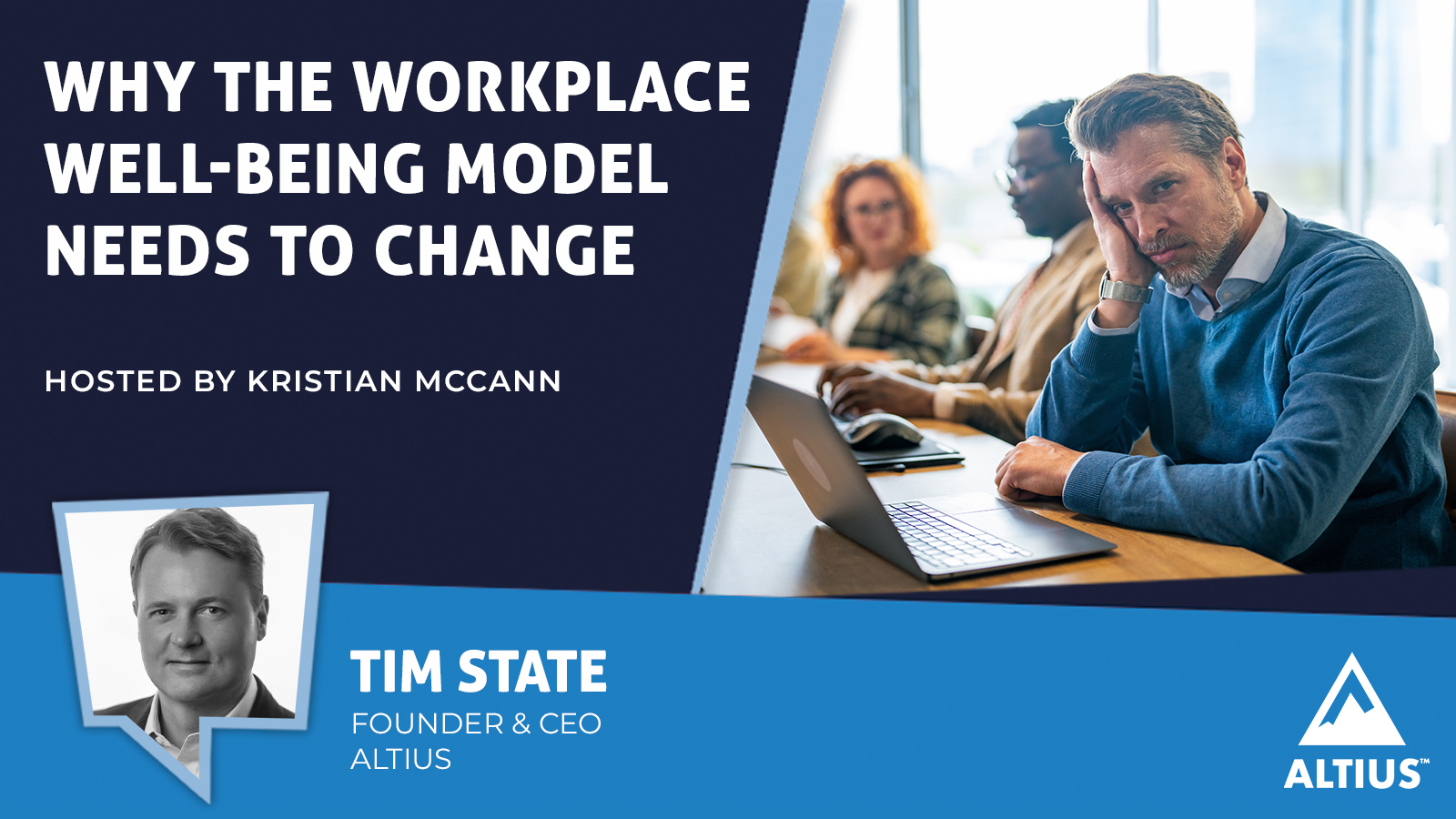
Over the past two decades, employers have steadily increased investment in workplace wellbeing initiatives, adding various benefits like helplines, meditation apps, and coaching sessions. However, this approach is now being questioned as ineffective.
Read More
According to Brown & Brown's healthcare cost outlook, behavioral health claims among U.S. employer plans surged by 17% in 2025, making these claims one of the top five spending categories for employers. Concurrently, the problem of employee wellbeing is deepening, with the UK's Chartered Institute of Personnel and Development (CIPD) reporting an average sick leave of 9.4 days per employee in 2025, the highest in 15 years. Mental health issues have emerged as the primary cause of long-term absences. The World Health Organization estimates that depression and anxiety result in an annual loss of $1 trillion in global productivity. The rising costs juxtaposed with worsening outcomes suggest that current spending strategies are ineffective.
Tim State, Founder and CEO of Altus, believes that addressing employee wellbeing requires a fundamental reexamination of existing systems rather than simply increasing funding.
A significant indicator of this disconnect is employee assistance program (EAP) utilization. Although over 80% of large employers provide EAPs, their usage remains low, with Mental Health America reporting that only about 4% of eligible employees utilize these services, a figure that has stagnated for over a decade. State argues that the current structure requires employees to navigate a complex menu of services when they are often least equipped to do so.
Further complicating matters, trust in traditional leaders is decreasing, while employees are increasingly turning to AI chatbots for support. A 2025 survey indicated that a greater number of U.S. workers would be honest about work stress with a chatbot (20.9%) than with their manager, HR, or other leadership combined. Fullstack HR found that 97% of employees sought advice from a chatbot rather than their boss.
Employers also tend to measure the wrong metrics. State asserts that the industry focuses on utilization metrics and risk factors that appear after issues have emerged, thereby missing early signs of deterioration in employee wellbeing. Current data reflects problems that have already occurred rather than proactively addressing potential issues.
To improve workplace wellbeing, State advocates transforming the perception of wellbeing from a collection of programs into a comprehensive relationship involving continuous engagement. This shift means fostering ongoing interactions instead of relying solely on annual surveys or claims. State emphasizes the importance of personalized support systems, arguing that a standardized approach cannot adequately address the diverse needs of employees.
The final adjustment involves holding service providers accountable by raising evidence standards for their effectiveness. This includes moving away from using simple utilization metrics to demonstrate improvements in employee outcomes.
Rising expenditures paired with worsening outcomes highlight that the current model for employee wellbeing is outdated. By integrating technology that enhances communication and support without overloading employees with additional applications, organizations can potentially reduce costs and improve engagement. Adjusting these strategies is crucial as the shift in employee expectations becomes more apparent.