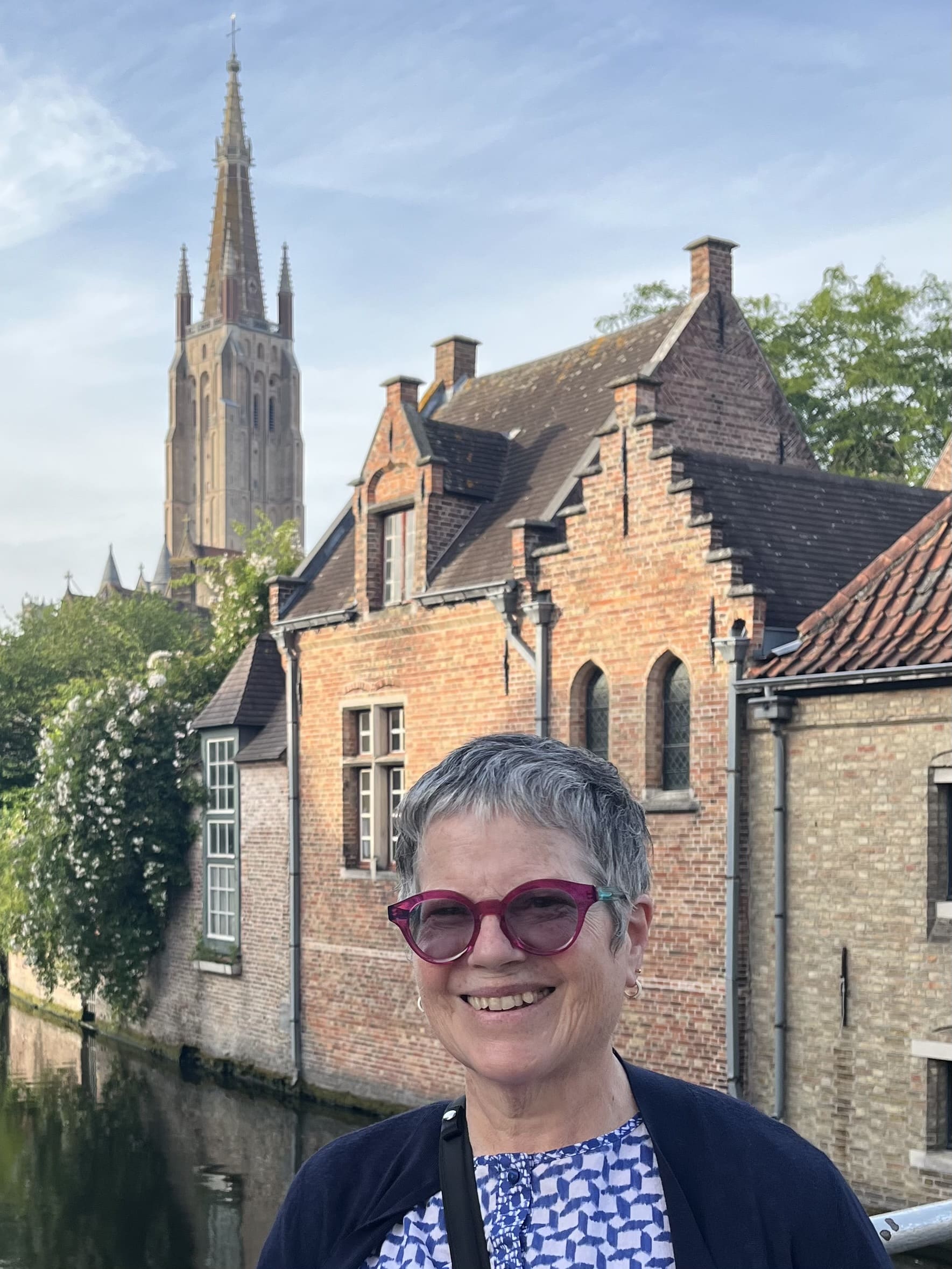
On September 30, 2026, Jane, a 66-year-old with decades of experience in social services, opened up about her mental health struggles. Despite dedicating her life to helping others, she found herself facing burnout and depression, issues she realized had roots dating back to her childhood. Jane was prescribed antidepressants in 2003 but faced setbacks in her mental health, particularly during the summer of 2020 amid the COVID-19 pandemic.
Read More
After applying for long-term disability in September 2020, Jane received treatment that included repetitive transcranial magnetic stimulation (rTMS) and ketamine therapy. Nevertheless, when these therapies did not yield improvement, she participated in a trial comparing magnetic stimulation therapy to electroconvulsive therapy. Jane emphasized her belief in contributing to medical research, despite feeling alienated during her clinical experiences.
In June 2023, Jane was referred to the Harquail Centre for Neuromodulation at Sunnybrook, where she learned about focused ultrasound (FUS) and deep-brain stimulation (DBS) as potential treatments for her major depressive disorder (MDD). The centre is known for its comprehensive range of neuromodulation strategies.
Jane underwent thorough assessments with Dr. Peter Giacobbe and Dr. Sean Nestor, which provided valuable insights into her condition. She found the process engaging and affirming. In May 2024, she participated in a DBS clinical trial. While DBS is an established treatment for Parkinson’s disease in Canada, it remains under investigation for psychiatric disorders like MDD.
Dr. Benjamin Davidson, a neurosurgeon at the Harquail Centre, performed Jane’s DBS procedure, during which she experienced a mix of fear and support from her medical team. Following the procedure, Jane noticed a heightened sense of perception. As adjustments were made to the DBS device, she began to see improvements in her mental health.
A recent study published in Nature Mental Health, led by Dr. Felicia Manocchio, analyzed multiple trials using DBS for depression and found significant reductions in depressive symptoms, particularly over the long term. Dr. Davidson noted the importance of these findings for understanding treatment options for those with difficult-to-treat MDD.
Reflecting on her journey, Jane expressed how her perception of depression has shifted from viewing it as a personal failing to recognizing it as a medical issue. She appreciates the ongoing support from the Harquail Centre, with Dr. Nir Lipsman reassuring her of lifelong connection to her care team.
In February 2025, Jane gradually returned to her job with support from her family doctor and employer. She has since reconnected with her passion for singing and engaged in activities like pottery and baking. Jane credits her supportive family—her wife, daughter, and extended family—as pivotal in her recovery journey. Through the patient-centered care model at Sunnybrook, Jane continues to receive hope and effective treatment for her mental health challenges.