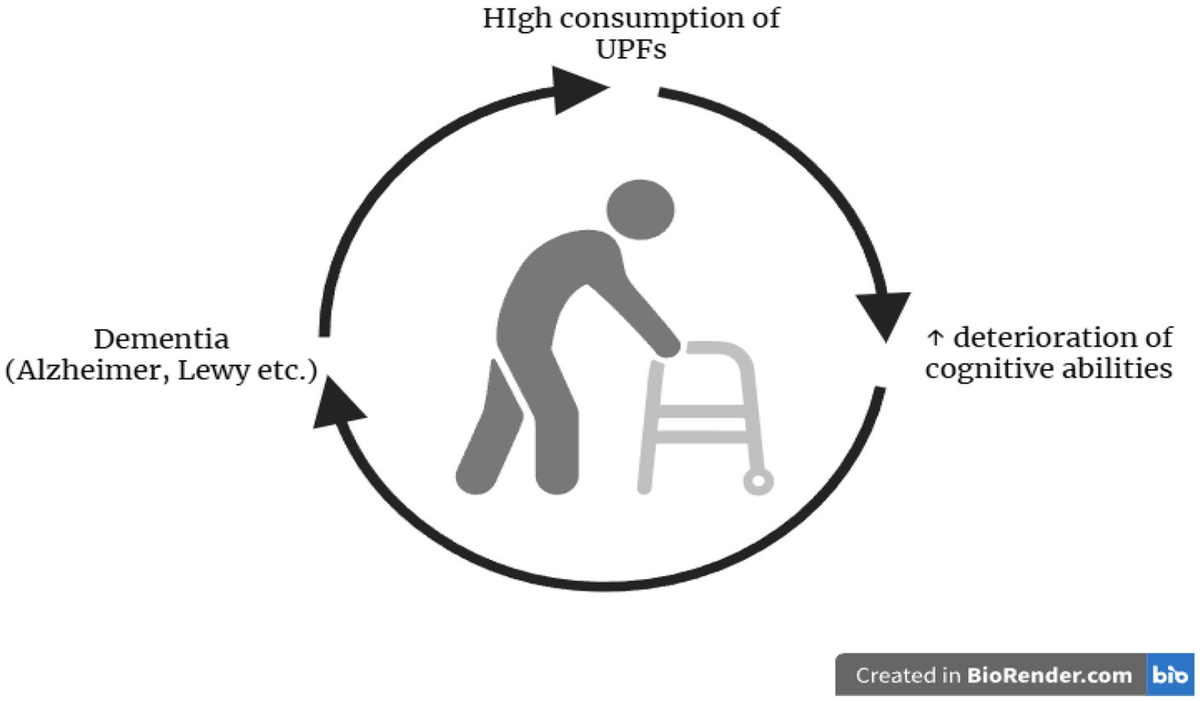
The intake of ultra-processed foods (UPFs) has significantly increased globally, raising concerns about nutritional adequacy and functional health among adults. A narrative review gathers recent evidence that connects UPF consumption with functional decline, including issues like sarcopenia and reduced handgrip strength, alongside potential biological mechanisms that contribute to aging processes. This review incorporates findings from epidemiological studies, clinical trials, and mechanistic research, addressing the effectiveness and limitations of mitigation strategies such as product reformulation, front-of-pack labeling, pricing policies, and community nutrition programs.
Read More
Higher UPF intake is correlated with a greater risk of micronutrient inadequacy, low-grade systemic inflammation, oxidative damage, and an increased biological age compared to chronological age, leading to a higher likelihood of functional impairment. Although evidence of the health impacts of UPF consumption continues to grow, significant gaps in research remain. These include underrepresentation from low- and middle-income countries, a lack of long-term interventions focusing on aging and functional outcomes, inconsistent assessments of UPFs, and limited use of mechanistic biomarkers in population studies.
Research suggests that adults and the elderly are particularly susceptible to the adverse effects of UPFs due to age-related physiological changes and health risks associated with these products. Chronic fatigue and cognitive decline can diminish the ability and motivation to prepare healthy meals, making UPFs appealing alternatives because they are easily accessible and inexpensive.
Demographic factors also influence UPF consumption patterns, with younger individuals, particularly teenagers, consuming higher rates than older adults. Socioeconomic status further complicates this pattern, with lower-income groups typically consuming larger amounts of UPFs. This demographic disparity highlights the importance of targeting younger populations in public health initiatives aiming to reduce UPF intake.
Consumption of UPFs is linked to diminished dietary diversity and essential nutrient intake. Studies indicate that high UPF consumption correlates with higher intake of saturated fats, added sugars, and lower intake of protein, fiber, and various vitamins essential for maintaining muscle mass and cognitive function.
In terms of health consequences, high UPF intake is related to increased frailty and reduced muscle strength in older adults. A recent meta-analysis found that every 100 grams/day increase in UPF consumption was associated with a 3% higher risk of frailty. Additionally, population-based studies from the US and Italy show that increased biological age is independently correlated with higher UPF consumption, indicating UPFs may contribute to aging beyond mere nutritional deficiencies.
To combat the negative impacts of UPF consumption, improving their nutritional quality has become essential. Strategies for reformulation involve reducing harmful components and enhancing beneficial nutrients in products. Effective public health responses should prioritize educational initiatives promoting minimally processed foods, empowering communities with skills and knowledge, and strengthening regulatory frameworks that align food environments with health objectives.
Finally, future research needs to focus on longitudinal and interventional studies incorporating validated biomarkers of aging and various sociodemographic contexts to understand better the health implications of UPF consumption and necessary policy responses.