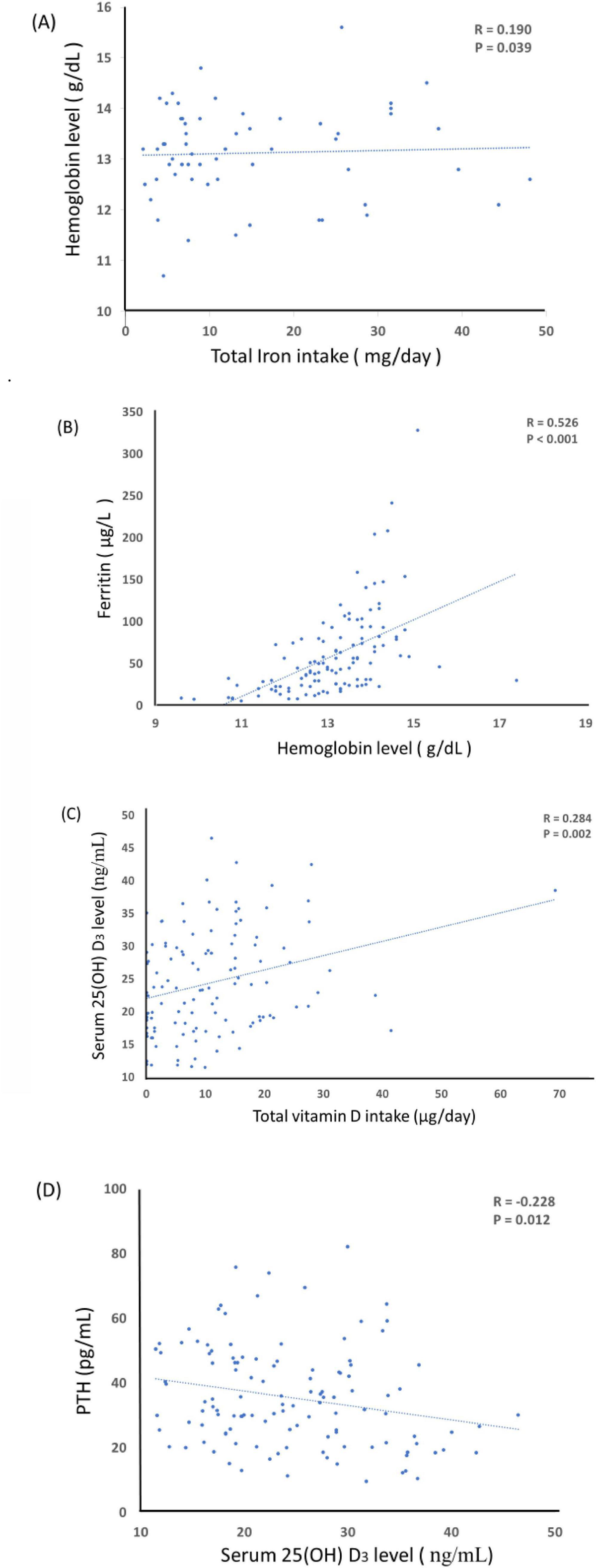
A study conducted in northern Taiwan has revealed significant nutritional deficiencies among postpartum women, particularly concerning iron and vitamin D levels. The research aimed to evaluate the nutritional status of 120 women at six weeks postpartum and examine how dietary intake and supplement use influenced their health outcomes.
Read More
The findings indicated that 5.0% of participants had iron deficiency, while 6.7% were diagnosed with iron deficiency anemia. Alarmingly, 75% of the women were found to be either vitamin D insufficient or deficient. The research highlighted a crucial observation: women who reported supplement use had a notably lower incidence of both iron and vitamin D deficiencies compared to those who did not use supplements.
The significance of adequate nutrition postpartum has long been recognized, as postpartum women face increased physiological demands and potential nutrient depletion due to blood loss during delivery and limited sun exposure, especially during the traditional confinement period known as Zuo Yue Zi. This underscores the importance of dietary and supplemental interventions to prevent nutritional deficiencies that can impact maternal health and wellbeing.
Conducted between January 2016 and September 2017 at the Shin-Kong Wu Ho-Su Memorial Hospital, the study involved a cross-sectional analysis where dietary intake was assessed through a 24-hour recall method, complemented by biochemical tests for iron and vitamin D levels. Supplement use was also recorded to assess its impact on nutritional status.
Results showed that while energy and macronutrient intake did not vary significantly across different statuses of iron and vitamin D, those with deficiencies demonstrated marked differences in hematological parameters. The data suggested that dietary intake alone is often insufficient to meet the nutritional needs of postpartum women.
The study's authors concluded that effective supplementation strategies are essential to help restore nutrient balances in postpartum women and recommended targeted interventions and updated dietary guidelines to improve maternal health outcomes.
This research fills an important gap in understanding nutritional challenges faced by postpartum women in Taiwan and emphasizes the need for comprehensive nutritional care during the postpartum period.