A recent study published on September 23 in JAMA Psychiatry indicates that cutting back on ultra-processed food (UPF) intake may lead to improvements in symptoms of depression. This builds on previous research that has linked high UPF consumption with an increased risk of depression.
Read More
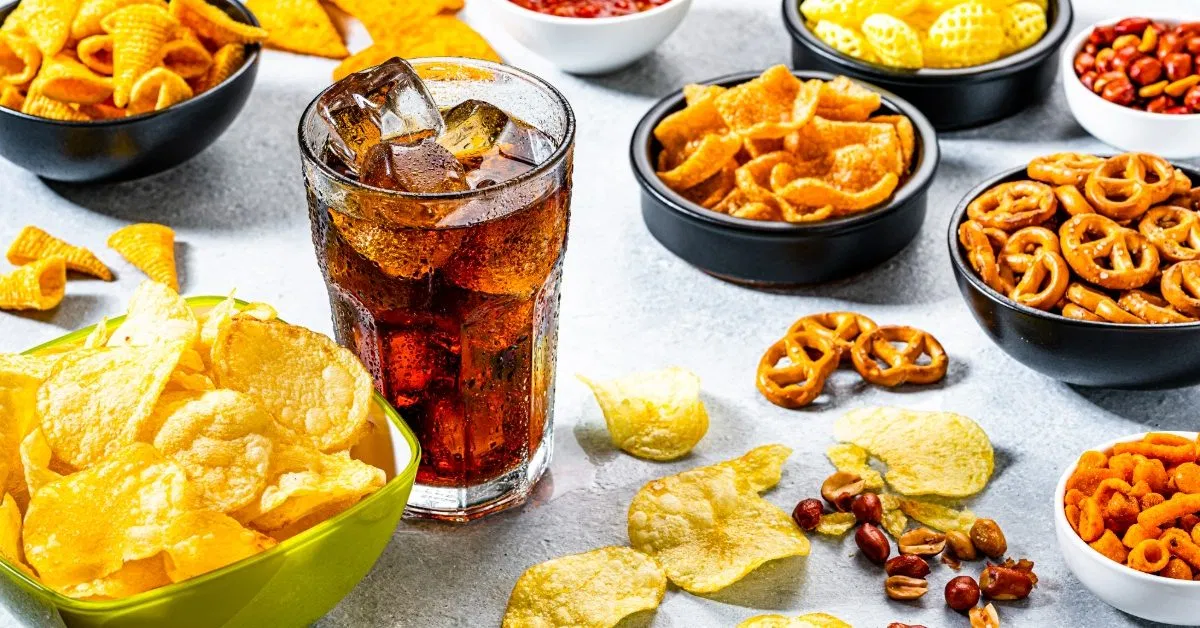
Ultra-processed foods, as defined by the NOVA classification system, are industrial formulations made mainly from substances derived from foods, often containing additives typically not used in home cooking. Examples include soft drinks, packaged snacks, and pastries. They have been linked to various mental health issues, including depression and anxiety.
In the new study, participants who decreased their UPF intake by more than 85% reported significantly lower depression scores across three standardized measures. The study involved 20 adults aged 18 to 80 diagnosed with depression. Each participant had a Patient Health Questionnaire-9 (PHQ-9) score of at least 5 and consumed high amounts of UPFs. Participants also had self-reported metabolic abnormalities, including overweight or obesity and high cholesterol, and were required to maintain their medication and therapy regimen throughout the study.
Of those enrolled, 19 completed the study. Participants followed both their regular diet and a low-UPF diet during different phases of the study, with the order assigned randomly. Results showed that during the low-UPF phase, average PHQ-9 scores decreased from 8.68 to 5.53, indicating a reduction in depression and anxiety symptoms.
Despite these promising findings, the study has limitations, including its small sample size and reliance on self-reported dietary data. Researchers emphasized the need for larger studies to better understand the relationship between UPF intake and depression symptoms.
Experts not involved in the study, including Michelle Routhenstein, a preventive cardiology dietitian, noted that more research is required to clarify whether reducing UPFs directly contributes to improved depression symptoms or if other dietary factors are at play. They highlighted the distinction between ultra-processed and processed foods, emphasizing that not all processed foods are detrimental to health.
Various mechanisms have been proposed regarding how UPFs may impact mood, including their low content of fiber, vitamins, and minerals crucial for brain health. Ingredients such as artificial sweeteners may also influence the gut microbiome, which plays a significant role in neurotransmitter production, including serotonin.
To reduce UPF consumption, Routhenstein suggests making small, sustainable changes, such as identifying frequent UPF items in one’s diet and finding healthier replacements. Recommendations include cooking at home, opting for foods with fewer processed ingredients, and building meals around whole foods like fruits and vegetables. The goal is not to eliminate convenience from one’s diet but to gradually shift toward more nutrient-dense foods.