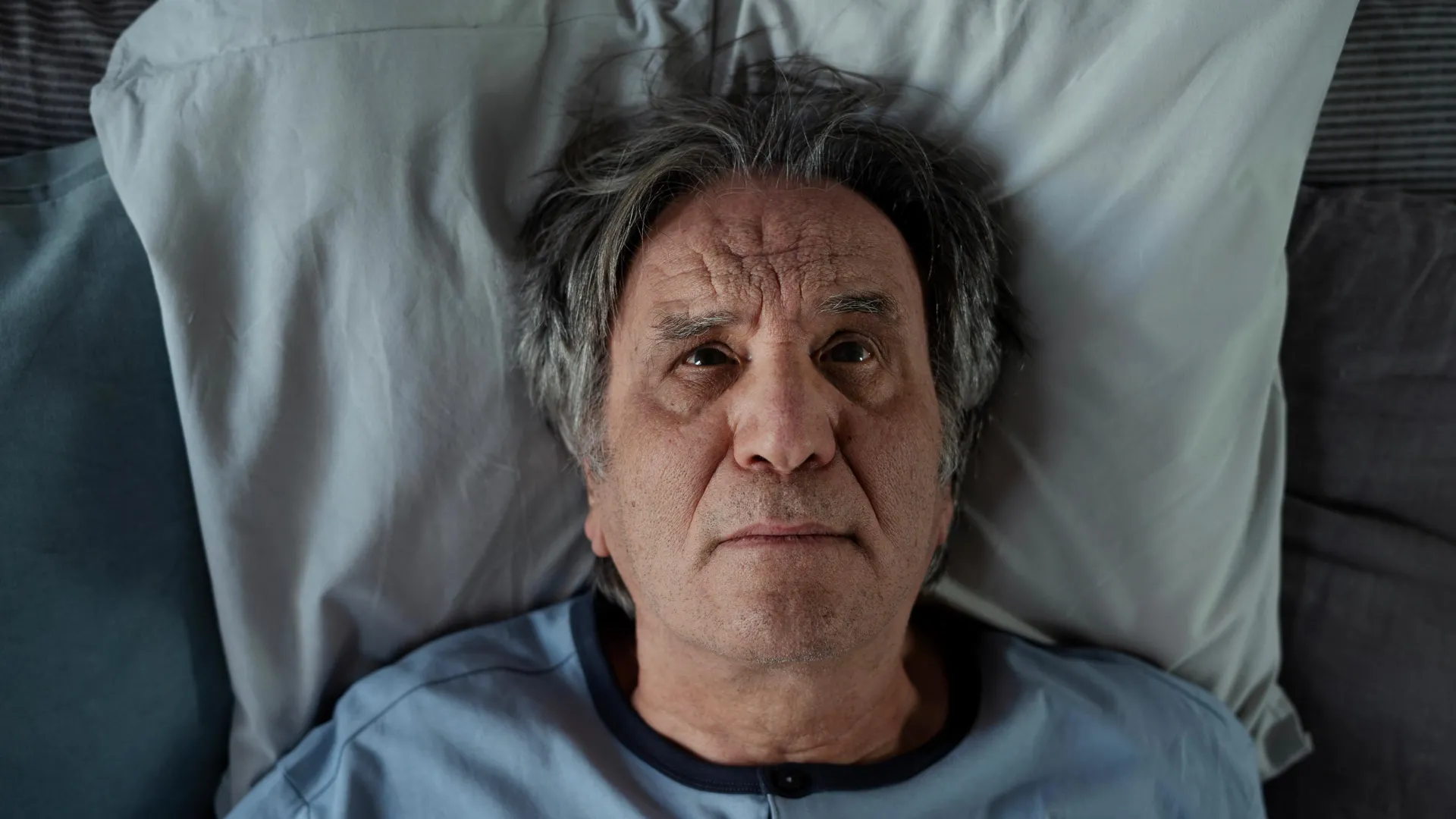
Research from Oregon Health & Science University (OHSU) highlights the significant impact of sleep on longevity. Findings published in the journal SLEEP Advances reveal that consistently getting less than seven hours of sleep is associated with a shorter lifespan.
Read More
To arrive at these conclusions, researchers analyzed a substantial national database, comparing life expectancy data across U.S. counties with detailed survey results from the Centers for Disease Control and Prevention (CDC) collected between 2019 and 2025. Among various lifestyle factors, sleep emerged as a crucial predictor of life expectancy, surpassing indicators like diet and physical activity, with smoking being the only factor that had a stronger correlation.
Senior author Andrew McHill, Ph.D., from the OHSU School of Nursing, noted the unexpected strength of this relationship. "We've always thought sleep is important, but this research really drives that point home: People really should strive to get seven to nine hours of sleep if at all possible," he said.
While there has been existing research linking inadequate sleep to increased mortality, this study is the first to document yearly state-by-state correlations between sleep duration and life expectancy throughout the U.S. The researchers adhered to the CDC’s definition of sufficient sleep, which is at least seven hours per night, in line with guidelines from the American Academy of Sleep Medicine and the Sleep Research Society.
The analysis indicated a consistent relationship between sleep duration and life expectancy across nearly all states and years studied. Although the research did not explore the biological reasons for this link, McHill emphasized the importance of sleep for heart health, immune function, and cognitive performance.
"Getting a good night's sleep will improve how you feel but also how long you live," he stated. The research team included Kathryn E. McAuliffe, B.S., Madeline R. Wary, B.S., Gemma V. Pleas, B.A., Kiziah E.S. Pugmire, B.S., Courtney Lysiak, B.A., Nathan F. Dieckmann, Ph.D., and Brooke M. Shafer, Ph.D. Funding came from the National Heart, Lung, and Blood Institute of the National Institutes of Health and other OHSU-related sources.