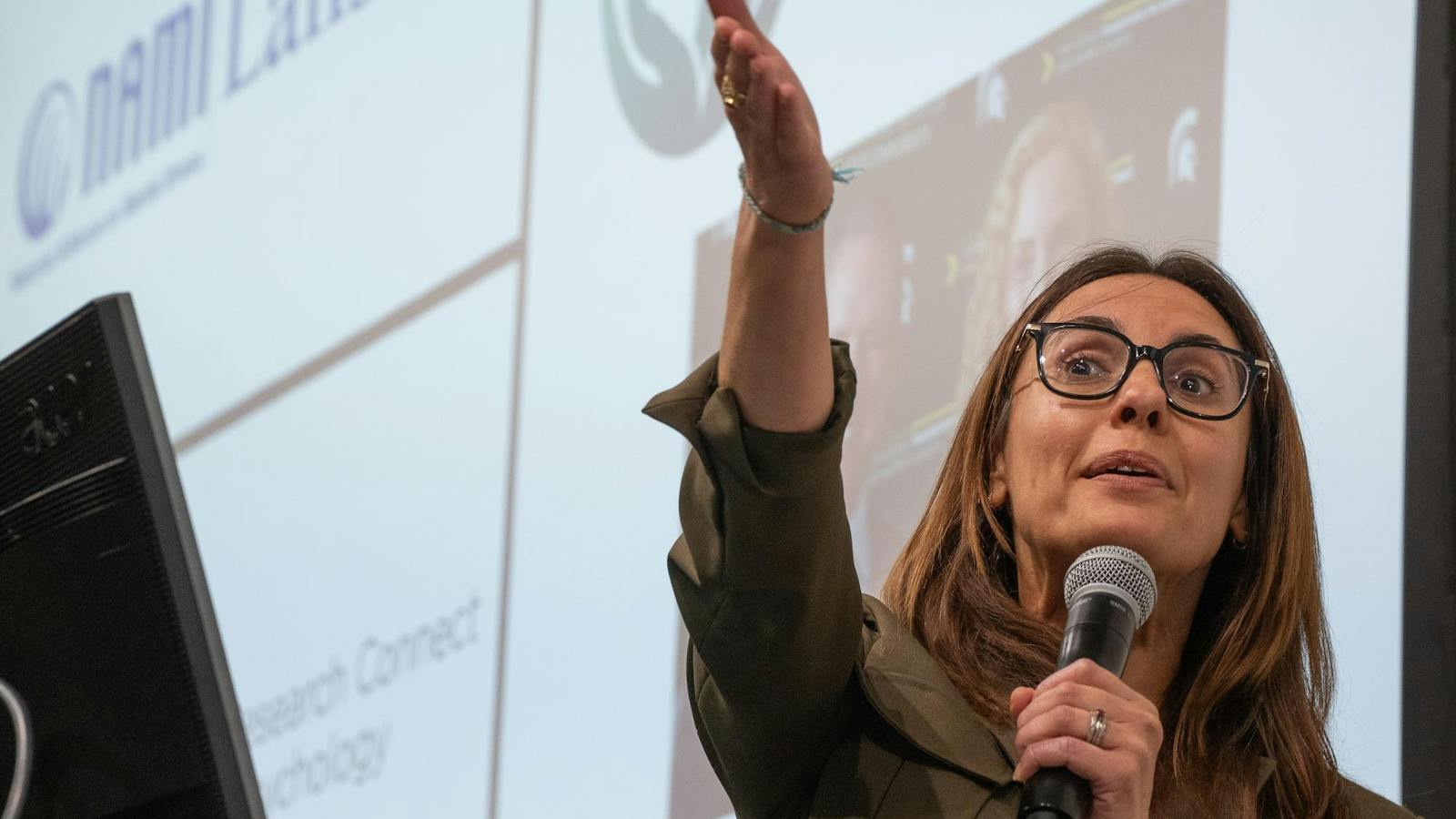
Dr. Tom Insel, former director of the National Institute for Mental Health, spoke at a panel hosted by MSU Mental Health Research Connect, addressing the growing mental health crisis. Reflecting on a past encounter where a parent highlighted the pressing nature of mental health issues over scientific advancements, Insel emphasized the need for actionable solutions in mental health care.
Read More
Insel's latest book, "Healing: Our Path from Mental Illness to Mental Health," advocates for focusing on three key areas to support recovery: people, place, and purpose. He remarked on the disconnect between scientific progress and clinical outcomes, questioning why significant advancements in mental health research have not translated into better care.
Assistant psychology professor Katy Thakkar stressed the importance of aligning research with the needs of the community, stating that MSU Mental Health Research Connect aims to bridge the gap between researchers and those directly affected by mental health issues.
The panel noted the behavioral health crisis encompassing youth mental health, serious mental illness, and substance use disorder. Insel pointed out that the youth mental health crisis is particularly alarming, with a marked increase in suicide rates, especially among young women and LGBTQ+ individuals.
MSU's Counseling and Psychological Services will introduce peer-to-peer counseling, allowing students to engage in one-on-one therapy, albeit with non-licensed classmates as support. Sruthi Mahon, a mental health ambassador, emphasized the initiative’s role in providing a supportive outlet for students.
During the pandemic years of 2020-2023, internalizing disorders surged among youth, attributed to factors like social media exposure and lack of sleep. However, recent data from the CDC indicates a decline in suicide ideation and attempts among students in 2023-2025.
Insel highlighted the longstanding crisis of serious mental illness, noting a troubling decrease in care, resulting in increased incarceration and mortality from treatable health conditions. Moreover, the rise of fentanyl has exacerbated the substance use disorder crisis, with a concerning trend towards new synthetic opioids entering the market.
Lois Pullano, executive director of Citizens for Prison Reform, emphasized the high incidence of incarceration among individuals with serious mental illness, particularly highlighting the medical neglect faced in prison settings.
To address these issues, Insel suggested a focus on person-centered care and enhanced training for providers. He also raised concerns about the role of digital mental health tools like chatbots and AI, which, though accessible, often lack quality. Insel called for integrating AI with traditional care to better understand what interventions work for whom, while expressing caution about the capabilities of current AI models in mental health settings.
In concluding remarks, Insel foresees AI's potential to enhance diagnosis and patient management in mental healthcare, although it must be approached with strict oversight.