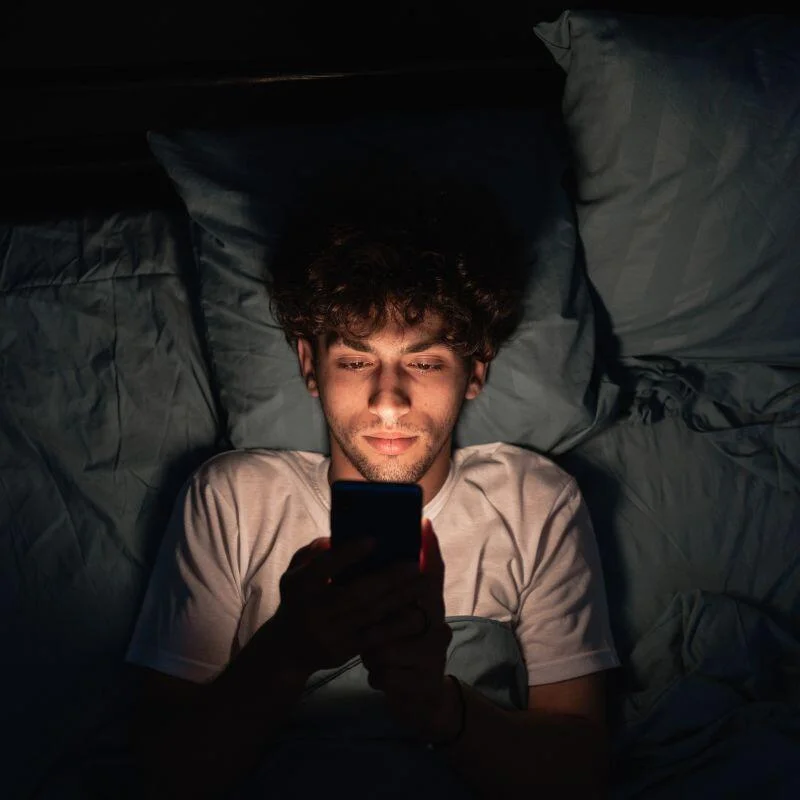
A study from George Mason University reveals that college students who spend increased time on social media tend to experience worse sleep, which may subsequently impact their self-rated health. Published in Public Health Reports, the research indicates that higher social media usage at the beginning of the school year is linked to decreased sleep quality six months later, which also correlates with worse self-rated health after an additional six months. This study is the first to suggest that poor sleep quality may mediate the relationship between social media use and students' perceptions of their health.
Read More
Lead author Akosua Mainoo, an alumna of the College of Public Health, noted, "These findings suggest that students’ social media habits early may have effects beyond the time spent on the phone. Sleep appears to be one way those habits may carry over into how students perceive their health months later."
Interestingly, the study found that overall social media use was related to poorer sleep, yet nighttime social media usage specifically did not show the same effect. Researchers mentioned that previous findings on nighttime use have been inconsistent and might depend on various factors, such as light exposure affecting melatonin levels.
The research is part of the Mason: Health Starts Here project, a long-term study following students throughout their undergraduate years. Distinguished University Professor Lawrence Cheskin from the Department of Nutrition and Food Studies is the principal investigator.
The study demonstrates that young adults spend approximately five hours a day on social media, with more than 85% of participating students using platforms like YouTube, Instagram, and Snapchat daily. Despite recommendations for seven to nine hours of sleep, prior research indicates that a third of college students receive less than the recommended amount. Chronic sleep deprivation is associated with various health issues, including depression, obesity, heart disease, and diabetes.
Researchers encourage students to reconsider their social media habits. Mainoo suggested that while it is unrealistic to expect college students to eliminate social media, they can benefit from setting time limits and establishing phone-free areas. Cheskin added that reducing social media use can foster more direct interactions with peers.
The study analyzed data from 349 first-year students ages 18 to 24, collected through surveys in August 2019, February 2020, and August 2020. Limitations of the study include reliance on self-reported data and participant drop-out over time, highlighting the need for further longitudinal research on the effects of social media on sleep and health. The research team included members from both the Departments of Nutrition and Food Studies and Psychology, and the project was funded by the George Mason Institute for Biohealth Innovation.