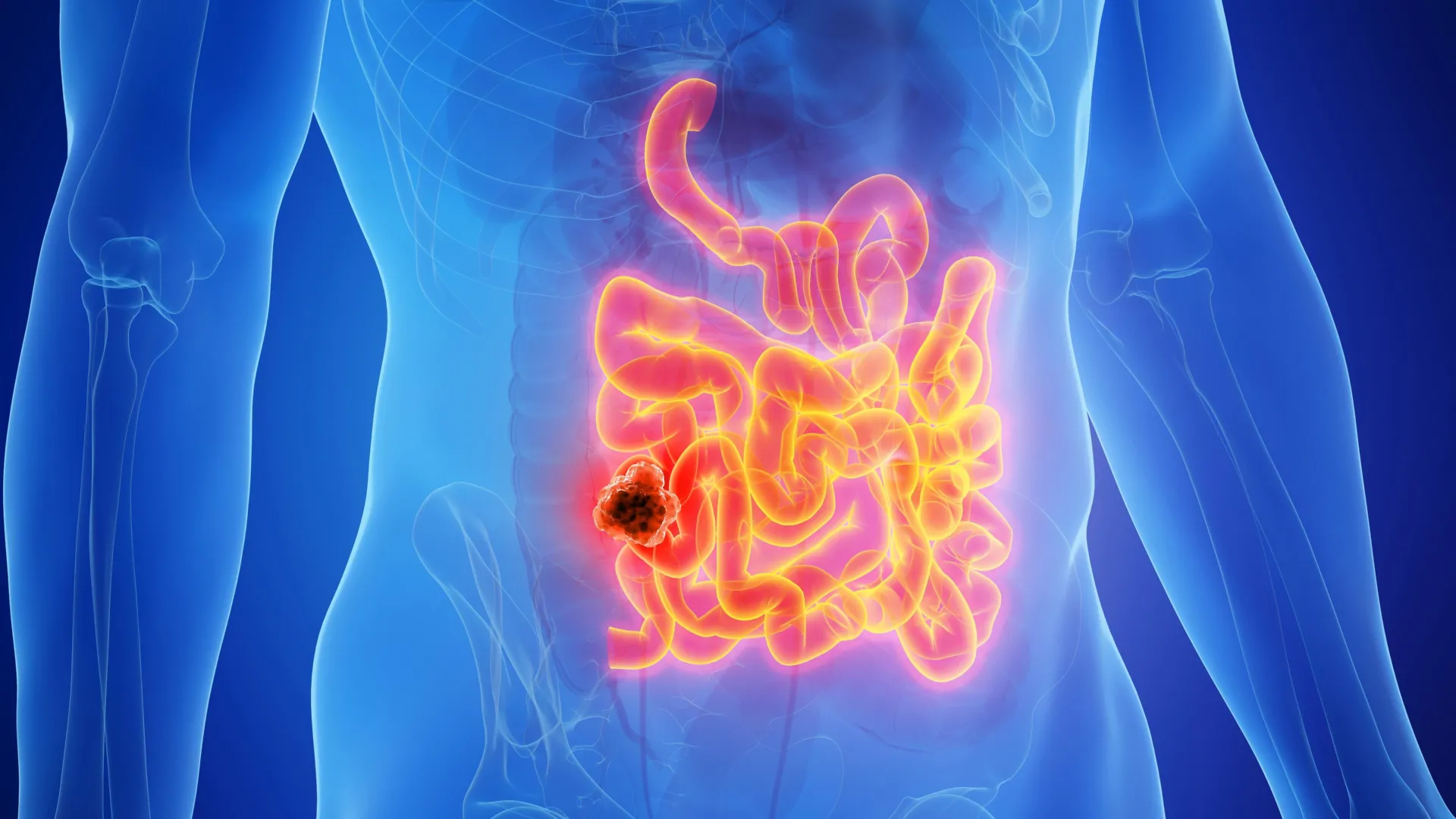
Recent research from MIT has uncovered potential cancer risks associated with ketogenic diets, which are high in fat and very low in carbohydrates. While previous studies suggested that such diets might offer protection against colon cancer, this new study indicates a contrasting outcome in the small intestine, where a ketogenic diet may actually increase cancer risk.
Read More
Omer Yilmaz, director of the MIT Stem Cell Initiative and senior author of the study published in Nature, cautioned against generalizing the effects of ketogenic diets across different tissues. He noted that what may be beneficial for one tissue could be harmful for another, emphasizing the complexity of the diet's impact on health.
Ketogenic diets, which were first developed in the 1920s as a treatment for epilepsy, have gained popularity for weight loss and potential longevity benefits. These diets cause the body to shift from using glucose to burning fat, producing compounds known as ketone bodies, especially β-hydroxybutyrate (BHB). Although previous research indicated that BHB might protect against colon cancer, the focus of this study was to examine the effects in the small intestine.
To investigate, researchers studied mice genetically predisposed to intestinal cancer. Those on a ketogenic diet developed small intestinal tumors more frequently than those on a control diet, even though the ketogenic mice did not become obese. Their tumor rates were comparable to or higher than those of mice on a high fat/high calorie diet.
Interestingly, further analysis revealed that ketone bodies were not responsible for the increased tumor growth. Instead, the cause was linked to fatty acid oxidation in intestinal cells, which activates a family of proteins known as PPARs. These proteins stimulate rapid division of intestinal stem cells, creating more opportunities for tumor formation. Excessive cell division can be detrimental, even though it helps with recovery after injury.
In contrast, the study found that the ketogenic diet suppressed tumor formation in the colon, aligning with prior research. This opposed outcome contradicts the belief that ketone bodies drive protective effects, suggesting that it is the body’s processing of fats rather than the ketones themselves that influences tumor growth.
The researchers aim to further investigate why the ketogenic diet results in different effects in adjacent areas of the digestive tract. Given the rising popularity of ketogenic diets, understanding these specific effects is crucial for assessing long-term health consequences.
Additionally, the findings could impact the market for commercial ketone products. As the increased tumor growth in the small intestine and suppressed tumor development in the colon were both linked to fat metabolism rather than ketones, these supplements may not replicate the effects noted in the study. This distinction is particularly significant given the increasing incidence of small intestinal tumors, especially among individuals with genetic predispositions to intestinal cancer.
The study was funded by several organizations, including the National Institutes of Health and the American Federation for Aging Research.