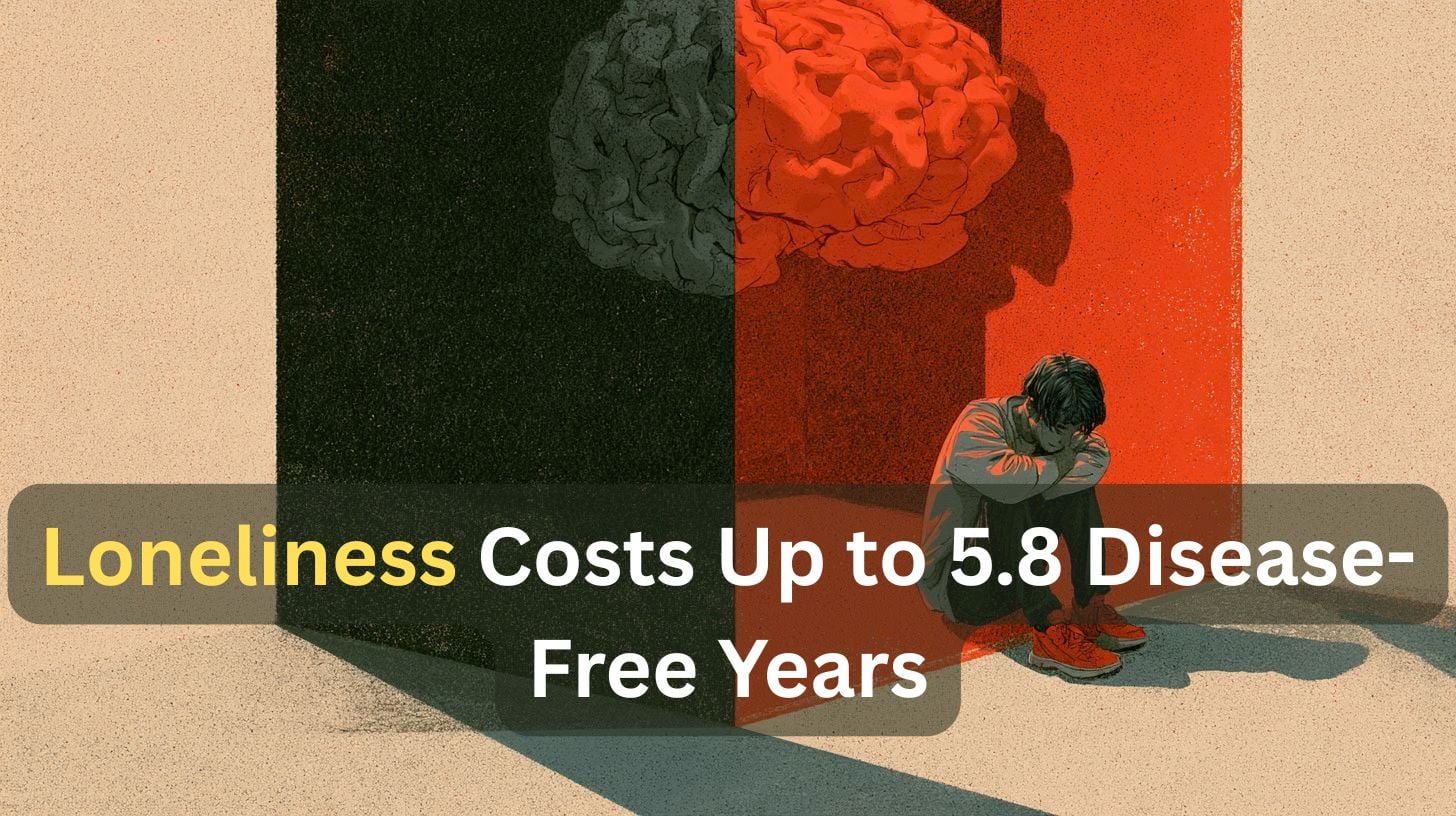
A large observational study involving over 277,000 adults has found that loneliness and social isolation significantly diminish disease-free life expectancy. Men lose an average of nearly 6 years, while women lose about 4 years of life free from major mental health disorders. Although healthy lifestyle choices can mitigate some physical health risks of social isolation, they do not alleviate the psychological impacts of loneliness.
Read More
The research, conducted by the Celia Scott Weatherhead School of Public and Tropical Medicine at Tulane University and published in Nature Communications, showed that men experiencing both social isolation and loneliness live approximately 5.8 fewer years without mental disorders, including depression and anxiety. Women in similar situations lose about 3.7 years.
In addition to mental health, dual exposure to isolation and loneliness affects physical health, reducing disease-free life expectancy by 2.4 years for women and 1.7 years for men across several major illnesses, such as heart disease, diabetes, cancer, and dementia.
Lead author Lu Qi, a professor at Tulane, emphasized that social isolation and loneliness significantly impact overall health, including physical and mental disease. The study distinguished between social isolation—an objective measure of a person's social network—and loneliness, a subjective emotional experience involving dissatisfaction with one's social interactions.
The research, which analyzed data from middle-aged adults free of seven chronic physical and mental conditions, found distinct gender differences in the effects of social disconnection. Men were more susceptible to the mental health toll of loneliness, while women showed greater physical health deficits.
Furthermore, while adopting healthy habits like regular exercise and a balanced diet can lessen the health effects of objective social isolation, they do not address the detrimental consequences of subjective loneliness. This finding underscores the need for targeted psychological interventions to effectively combat the internal struggles associated with loneliness.
The team plans to conduct further research through clinical trials to explore targeted behavioral methods for addressing these issues in diverse populations.