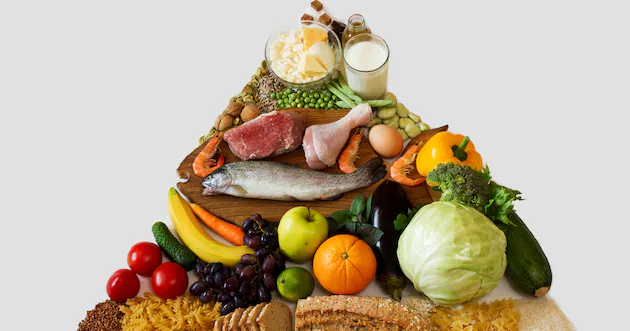
The 2025-2030 Dietary Guidelines for Americans (DGA) were introduced at the beginning of 2026, featuring a new inverted food pyramid. While the recommendations appear to promote a healthier diet—encouraging the consumption of fruits, vegetables, whole grains, and healthy fats from whole foods—experts have raised concerns about potential confusion and health risks associated with the guidelines.
Read More
The new pyramid suggests enjoying vegetables and fruits throughout the day and focusing on whole grains while drastically reducing refined carbohydrates. However, critics point out conflicting messages that could mislead the public. According to Realfood.gov, many Americans still face chronic health issues, and the site even states, “we’ve been misled for decades” regarding nutrition, despite the fact that the previous food pyramid has not been used for 15 years.
In 2011, MyPlate replaced the old pyramid, illustrating nutrition recommendations more intuitively by dividing the plate into half fruits and vegetables, and half grains and protein, with dairy represented by a smaller circle. Ignoring MyPlate’s influence over the past 15 years while claiming misinformation about dietary guidance undermines trust in nutrition experts.
Madeleine Weems, MS, RDN, a dietitian based in Utah, expressed concern over the new guidelines' suggestion of 2-4 servings of grains per day, as their placement at the bottom of the inverted pyramid could mislead consumers into thinking they should consume them in smaller amounts. She also highlighted potential dangers in promoting red meat as a protein source, noting its association with certain cancers and cardiovascular diseases, while the guidelines appear to prioritize it visually.
Furthermore, the guidelines encourage cooking with high-saturated fat ingredients like beef tallow and butter, contrasting with MyPlate’s previous recommendations to focus on low-saturated fat protein sources. Although plant-based proteins are included, they receive less emphasis compared to earlier guidelines.
The implications of the 2025-2030 guidelines extend beyond individual health; they will influence the National School Lunch Programs, affecting meal standards and potentially increasing saturated fat consumption for school children while reducing ultra-processed foods. Weems warned that these changes could adversely impact the nutritional landscape for young Americans.
Additionally, there are significant concerns regarding food accessibility. Critics argue that the emphasis on personal responsibility fails to consider the rising costs of food and recent cuts to nutrition assistance programs like WIC and SNAP, making it difficult for many to afford a varied and healthy diet. Gina Cornia, executive director of Utahns Against Hunger, indicated that SNAP benefits are insufficient for a whole food diet.
Neil Rickard, a Child Nutrition Advocate at the same organization, noted that while the guidelines may have downstream effects on nutrition assistance programs, they don’t address the broader structural challenges within the food system. He emphasized that food insecurity tends to exacerbate nutritional and health outcomes, highlighting the need for policy changes that support, rather than blame, individuals struggling to meet the guidelines.